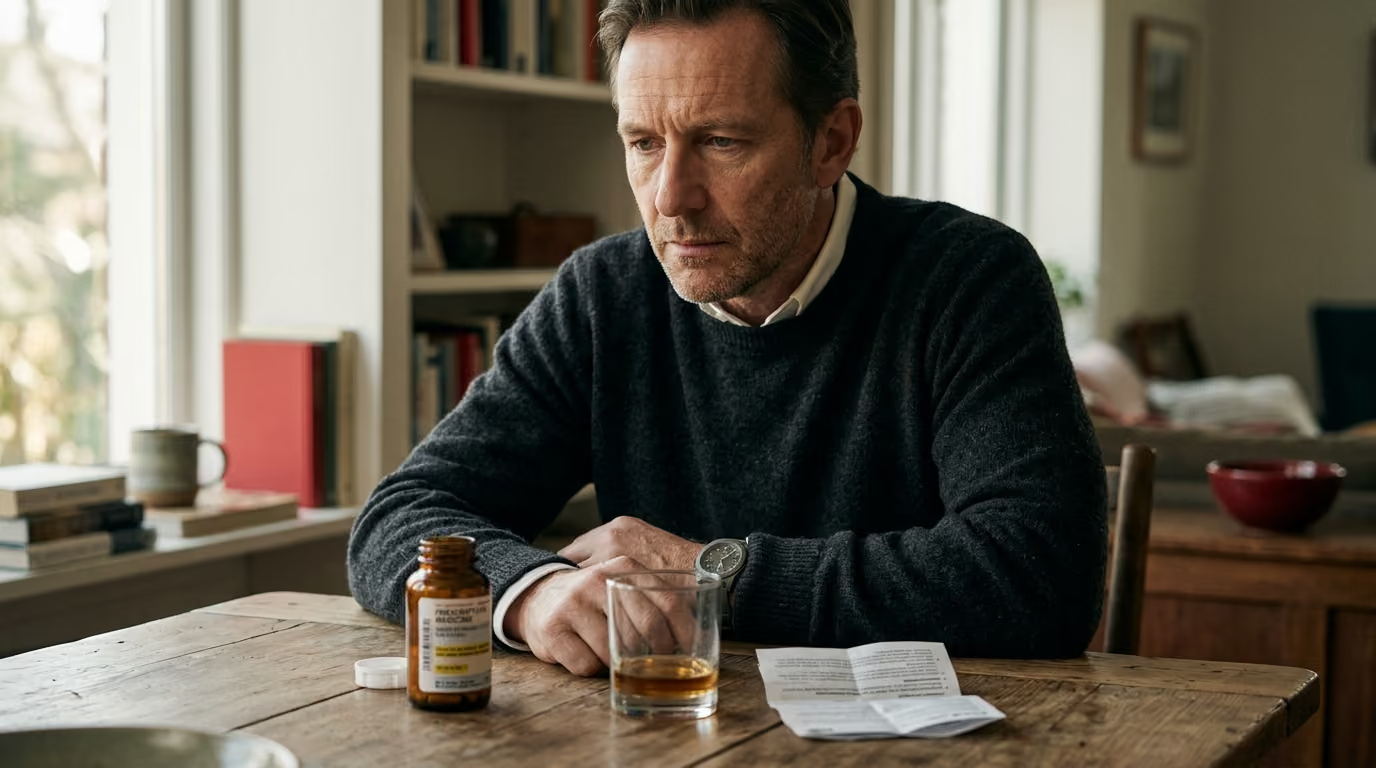
You wake up after two weeks of heavy work travel, a lingering chest cold, and poor sleep. Your energy feels drained, your strength in the gym has dropped, and your libido is completely absent. You type a simple question into a search bar: "Why did my testosterone crash overnight?"
You will likely see thousands of articles warning you that your vitality is slipping away. Most of these articles suggest that any dip in energy means your endocrine system is failing. They promise fast fixes, aggressive protocols, or immediate hormone replacement.
That framing misses how male physiology actually functions.
The male endocrine system is not fragile. It is designed to adapt to environmental pressure, illness, physical trauma, and energy restriction. When life becomes demanding, your body temporarily turns down reproductive signaling to focus resources on defense and repair.
This guide provides a definitive framework for understanding hormonal resilience after 45. You will learn the biological mechanisms behind short-term hormonal drops, how to separate temporary setbacks from medical conditions, and how to protect your physical capability over the long term.
The Biology of the Male Endocrine Axis
Understanding hormonal resilience begins with the hypothalamic-pituitary-testicular axis. This feedback loop regulates testosterone production, sperm development, and general metabolic tone.
The process starts in the brain. The hypothalamus releases gonadotropin-releasing hormone in regular pulses. This signal travels to the anterior pituitary gland.
The pituitary responds by secreting two key messengers into the bloodstream: luteinizing hormone and follicle-stimulating hormone. Luteinizing hormone travels directly to the Leydig cells in the testes, instructing them to produce testosterone. Follicle-stimulating hormone acts on the Sertoli cells to support sperm production.
Once testosterone enters the bloodstream, it provides negative feedback back to the brain. When circulating levels are sufficient, the hypothalamus and pituitary reduce their signaling.
Testosterone in the blood exists in several forms:
- Bound to Sex Hormone-Binding Globulin (SHBG): Roughly 40 to 60 percent of total testosterone is tightly attached to this transport protein.
- Bound to Albumin: Roughly 30 to 50 percent is loosely attached to albumin.
- Free Testosterone: Roughly 1 to 3 percent floats freely in the bloodstream, unbound to any protein.
Total testosterone measures all of these fractions combined. Bioavailable testosterone includes free testosterone plus the portion loosely bound to albumin.
The distinction between total and free hormone levels matters after 45. Changes in body composition, liver function, thyroid status, and aging alter SHBG levels. When SHBG rises, total testosterone can appear stable while the active free portion declines. When SHBG drops, total testosterone may look low even if free hormone availability remains steady.
Clinicians divide hormonal deficiencies into two broad categories:
- Primary Hypogonadism: The problem originates within the testes. The brain sends strong signals with high luteinizing hormone, but the testes cannot respond with adequate testosterone production.
- Secondary or Functional Hypogonadism: The problem originates in the brain or from systemic stress. The testes are capable of making testosterone, but the hypothalamus and pituitary reduce their signaling. Luteinizing hormone levels remain low or inappropriately normal.
Most temporary disruptions during midlife fall into the category of functional suppression. The regulatory axis is healthy, but it has temporarily lowered production in response to external demands.
Endocrine Shifts Across the Midlife Transition
Many men assume that crossing age 45 causes an immediate hormonal cliff. Clinical data shows a very different reality.
Research from the National Academies indicates that total testosterone declines at an average rate of roughly 0.110 nmol/L per year, which equals about 3.17 ng/dL annually. Population studies generally describe an annual decrease between 0.5 percent and 1.0 percent across midlife and older age.
This average trajectory is slow and steady. It is not an abrupt drop.
Furthermore, individual variation is wide. Some men in their sixties maintain hormone concentrations similar to men in their thirties. Other men experience earlier declines driven by lifestyle shifts, metabolic changes, or chronic health conditions.
The gradual rise in SHBG with age means that free testosterone often decreases slightly faster than total testosterone. As SHBG increases, a smaller percentage of circulating androgen remains unbound and ready for tissue uptake.
Normal aging is not an endocrine disease. Age-related changes in hormone levels represent a normal physiological pattern, not an automatic failure of the body.
A major driver of hormonal changes after 45 is shifting body composition. As lean muscle mass decreases and visceral fat increases, endocrine dynamics change.
Fat tissue contains the aromatase enzyme, which converts testosterone into estradiol. Increased visceral fat also promotes low-grade systemic inflammation and insulin resistance. These factors act directly on the brain to reduce hypothalamic-pituitary signaling.
Longitudinal research reveals that men who maintain consistent muscle mass, manage body fat, and protect cardiovascular health experience far less age-related hormonal decline than men who accumulate metabolic disease.
To learn more about keeping your muscular base intact, explore our resources on strength and muscle maintenance.
Systemic Stressors and Acute Illness Responses
When your body encounters severe physical stress, survival takes priority over reproduction. The endocrine system responds by shifting resources toward immune defense, tissue repair, and inflammatory control.
During an acute infection, serious injury, or surgery, the brain deliberately dampens the hypothalamic-pituitary-testicular axis. Inflammatory cytokines signal the hypothalamus to reduce gonadotropin-releasing hormone pulses.
Clinical research has documented this protective response for decades. A study evaluating men during acute medical illness found that 62 percent had total testosterone levels below the normal reference range. Approximately 60 percent showed hypogonadotropic patterns with suppressed pituitary signaling.
Both primary testicular responsiveness and central pituitary signaling drop during major physiological trauma. The severity of the drop often matches the severity of the illness.
This suppression occurs across many health disruptions:
- Systemic viral or bacterial infections
- Major surgical procedures
- Significant physical trauma or bone fractures
- Acute respiratory illnesses like pneumonia or influenza
- Periods of prolonged bed rest and immobility
If you test your hormone levels while fighting a severe infection or recovering from surgery, the numbers will likely look deficient. That result does not mean you have developed permanent hypogonadism. It simply shows that your body is managing an acute crisis.
Endocrine guidelines recommend waiting until you have fully recovered from acute illness before evaluating hormone levels. Testing during active illness produces misleading numbers that reflect short-term physiological defense rather than your true baseline.
Once the infection resolves, inflammation drops, and normal daily activity returns, the axis usually resumes its standard signaling pattern.
Circadian Rhythm Disruption and Travel Stress
Frequent travel, shift work, and chronic sleep restriction place unique demands on the endocrine system. Many men notice that a week of heavy travel leaves them feeling exhausted, unfocused, and physically flat.
Testosterone production follows a distinct daily rhythm. In healthy adult men, levels rise during sleep, peak in the early morning hours, and gradually decline across the afternoon and evening.
This morning peak depends heavily on consistent, uninterrupted sleep architecture. Deep slow-wave sleep and rapid eye movement sleep play important roles in supporting nighttime gonadotropin release.
When sleep is cut short, hormone production can shift. A well-known study published in JAMA evaluated healthy young men whose sleep was restricted to five hours per night for eight consecutive days. Their daytime testosterone levels dropped by 10 to 15 percent compared to their rested baseline.
Other controlled research shows that the hormonal impact of sleep loss varies depending on the duration and type of restriction. Some studies examining mild chronic restriction found minimal changes in total blood concentrations under specific conditions.
Even when absolute testosterone numbers do not drop severely, sleep deprivation causes symptoms that look identical to androgen deficiency.
These shared symptoms include:
- Severe afternoon fatigue
- Reduced mental focus and working memory
- Lower morning motivation
- Decreased sexual interest
- Irritability and low mood
- Impaired physical recovery between workouts
Travel introduces several disruptions at once. Crossing time zones throws off your internal circadian clock. You may face poor sleep quality, long hours of immobility on planes, irregular meal times, dehydration, and higher alcohol intake at work dinners.
These factors create a temporary state of low energy. If you measure your hormones during severe jet lag, your results will likely be skewed.
Protecting your vitality during travel requires stabilizing your daily routines rather than worrying about hormone numbers. Prioritize a regular sleep window, stay hydrated, keep up basic movement, and give your body several days to reset before judging your physical state.
For additional strategies on restorative habits, read our guide on mobility and recovery techniques.
Energy Balance, Weight Loss, and Training Load
Nutritional intake and physical training are powerful regulators of male hormone balance. Understanding the difference between healthy fat loss and severe under-fueling is critical after 45.
Adiposity and Metabolic Health
Excess body fat, particularly visceral fat around abdominal organs, suppresses the endocrine axis.
A systematic review and meta-analysis confirmed that intentional weight loss produces meaningful increases in total testosterone for men with obesity. Low-calorie diets led to measurable improvements in circulating androgens, while bariatric surgery produced even larger hormonal rebounds.
Reducing excess body fat improves insulin sensitivity, lowers inflammatory markers, and reduces the aromatization of androgens into estrogens.
A well-planned calorie deficit that improves body composition over several months is one of the most reliable ways to support long-term hormone health.
The Risk of Low Energy Availability
While fat loss helps metabolic function, extreme calorie cutting creates the opposite problem.
When energy intake falls too low to support both exercise expenditure and basic physiological maintenance, the body enters a state of low energy availability. The brain recognizes an energy crisis and reduces reproductive signaling to conserve fuel.
Research examining exercising men demonstrates that low energy availability is directly associated with suppressed testosterone production. This issue is common in endurance athletes, but it also affects men over 45 who combine aggressive dieting with high-volume workouts.
A moderate, sustainable calorie deficit supports hormone health by reducing excess fat. Severe, prolonged energy restriction suppresses hormone health by starving the endocrine system.
Warning Signs of Under-Fueling
When your training volume exceeds your nutritional support, your body sends clear signals of endocrine strain:
- A steady loss of morning erections and spontaneous sexual desire
- Persistent, heavy fatigue that does not improve after rest days
- Unusual sensitivity to cold temperatures
- Declining strength and workout performance despite high effort
- Frequent soft-tissue injuries or joint pain that refuses to heal
- Fragmented sleep and waking up early with an elevated resting pulse
If you recognize these symptoms during a diet, your body is struggling with recovery. The solution is not to train harder. You need to adjust your energy intake, add structured rest days, and allow your metabolic systems to stabilize.
You can read more about balancing fuel and training in our section on energy balance and metabolic performance.
Injury, Chronic Inflammation, and Psychological Transitions
Physical trauma and psychological stress affect your endocrine system through shared biochemical pathways.
When you suffer a serious joint injury, tear a muscle, or deal with chronic back pain, your body releases local and systemic inflammatory signals. Pain disrupts sleep architecture, while physical limitations force you to stop normal resistance training.
Medications used during injury recovery can also suppress hormone production. Opioid pain medications are potent suppressors of the hypothalamic-pituitary axis. Glucocorticoid injections or oral steroids can also alter normal hormone signaling.
If you feel flat and notice low libido while rehabilitating an injury, multiple factors are working together:
- Inflammatory cytokines suppressing brain signaling
- Physical inactivity and muscle disuse
- Sleep disruption from nighttime pain
- Medication side effects
- The psychological frustration of being sidelined
Major life transitions create similar endocrine challenges through psychological and lifestyle pathways.
Divorce, the loss of a family member, career changes, financial strain, and intense caregiving responsibilities place an immense load on your nervous system. These life events often lead to poor food choices, missed workouts, increased alcohol consumption, and chronic insomnia.
These behavioral changes directly impair your vitality. It is easy to blame your hormones during difficult personal transitions, but your endocrine system is simply responding to total lifestyle stress.
Treating the situation requires a broad approach. Focus on basic sleep habits, eat regular meals, maintain gentle daily movement, and seek psychological support when needed.
Protecting your general well-being during stressful transitions is central to healthy aging and longevity.
Clinical Evaluation Standards and Laboratory Testing
Because hormone levels fluctuate in response to daily stressors, accurate medical testing requires strict adherence to clinical standards.
An isolated blood test ordered during a stressful week does not provide an accurate picture of your health. Both the Endocrine Society and the American Urological Association provide clear protocols for evaluating male hormone status.
The Standard Diagnostic Framework
Major clinical guidelines state that a diagnosis of hypogonadism requires two elements:
- Consistent Clinical Symptoms: The presence of specific signs such as low libido, loss of spontaneous erections, unexplained bone density loss, or reduced muscle mass.
- Repeated Low Morning Lab Results: At least two separate blood tests showing low total testosterone, drawn on different mornings under proper conditions.
Guidelines emphasize that blood samples must be collected in the early morning, typically between 7:00 AM and 10:00 AM, when testosterone concentrations reach their daily peak. The Endocrine Society also recommends collecting samples while fasting, as consuming carbohydrates or fats before testing can temporarily drop circulating testosterone levels.
The American Urological Association identifies a total testosterone concentration below 300 ng/dL as a reasonable cut-off to support a clinical diagnosis. This number is not a standalone diagnostic tool. A value below 300 ng/dL must be confirmed with a repeat test and matched against clear clinical symptoms.
Comprehensive Laboratory Workup
When an initial morning test comes back low, a complete clinical evaluation looks deeper into the regulatory system:
- Repeat Fasting Morning Total Testosterone: Confirms whether the initial result was an anomaly or a steady finding.
- Free Testosterone: Calculated or measured directly via equilibrium dialysis, especially helpful if SHBG is unusually high or low.
- Luteinizing Hormone and Follicle-Stimulating Hormone: Helps differentiate between primary testicular failure (high gonadotropins) and secondary central suppression (low or normal gonadotropins).
- Sex Hormone-Binding Globulin: Evaluates binding capacity and metabolic influence.
- Prolactin: Rules out pituitary microadenomas or central tumors when secondary hypogonadism is present.
- Complete Blood Count and Comprehensive Metabolic Panel: Assesses overall organ function, liver health, kidney health, and red blood cell concentrations.
Evidence Regarding Cardiovascular Safety
When true clinical hypogonadism is diagnosed, testosterone replacement therapy may be considered alongside lifestyle interventions.
Safety has been a central question in male hormone therapy. The landmark TRAVERSE clinical trial published in the New England Journal of Medicine provided high-quality evidence on this topic.
The trial followed men aged 45 to 80 with documented hypogonadism and preexisting cardiovascular disease or elevated cardiovascular risk factors. Over a mean follow-up period of 33 months, the incidence of major adverse cardiovascular events was 7.0 percent in the testosterone group and 7.3 percent in the placebo group.
The study demonstrated that testosterone replacement was noninferior to placebo for major cardiovascular events in men with confirmed clinical deficiency.
The trial also identified specific risks. Men receiving testosterone had a higher incidence of atrial fibrillation, acute kidney injury, and pulmonary embolism compared to the placebo group.
These findings show that hormone therapy carries distinct medical trade-offs. It is an appropriate treatment for diagnosed endocrine disease, but it is not a casual tonic for general fatigue or minor age-related shifts.
For a complete overview of clinical research on androgens, visit our guide on hormones and male vitality.
Common Diagnostic Pitfalls and Misreadings
Navigating male hormone health requires avoiding several widespread misconceptions.
Misconception 1: A Single Low Lab Result Proves Permanent Disease
Many men receive a single borderline lab result and assume their body has permanently failed.
As the research demonstrates, an acute infection, a week of terrible sleep, or an aggressive diet can temporarily suppress hormone production.
A single lab value provides a snapshot of your physiology on that specific morning. It does not prove permanent endocrine disease. True clinical evaluation always requires a second confirmatory test several weeks later under optimal, well-rested conditions.
Misconception 2: Fatigue Is Always Caused by Low Testosterone
Fatigue is one of the most common complaints in modern medicine, and it has dozens of potential causes.
Poor sleep apnea, chronic work stress, subclinical depression, thyroid dysfunction, iron deficiency, vitamin deficiencies, and physical deconditioning all produce profound exhaustion.
Assuming that fatigue automatically equals low testosterone leads men to overlook basic health problems. If you treat low testosterone while ignoring severe obstructive sleep apnea or clinical depression, your fatigue will persist.
Misconception 3: Every Man Over 45 Needs Hormone Optimization
Direct-to-consumer clinics often suggest that every man over 45 should maintain the hormone levels of an athletic 22-year-old.
Clinical evidence does not support treating numbers on a lab report in the absence of disease. The Endocrine Society advises against routinely prescribing testosterone to older men simply because their concentrations sit near the lower end of the normal range.
Therapy carries potential risks, including elevated hematocrit, fertility suppression, sleep apnea worsening, and cardiovascular complications in vulnerable individuals. Hormone management should focus on restoring health when clear pathology exists, not chasing arbitrary numbers.
Scientific Uncertainty and Research Boundaries
While the broad mechanics of male endocrinology are well documented, scientific gaps remain regarding temporary stress responses and midlife vitality.
First, much of the research on sleep restriction and acute stress has been conducted in young, healthy men between the ages of 18 and 30. The endocrine systems of younger men often demonstrate greater rebound capacity than the systems of men over 50.
More long-term research is needed to determine exactly how quickly older men recover baseline hormone production after chronic sleep loss or intense physical overtraining.
Second, the relationship between borderline testosterone levels, mild symptoms, and long-term health outcomes remains mixed. Observational studies link lower testosterone with higher risks of metabolic syndrome, cardiovascular mortality, and frailty.
However, observational data cannot prove direct causation. It remains unclear whether low testosterone causes metabolic decline, or whether advancing metabolic disease simply lowers circulating testosterone as a downstream biomarker.
Third, commercial claims regarding natural testosterone-boosting supplements rest on very weak evidence. Most over-the-counter herbal compounds have only been tested in small, low-quality human trials or animal models.
While some nutrients like zinc or vitamin D correct deficiencies that impair hormone production, there is no robust evidence that herbal supplements raise testosterone above normal physiological baselines in well-nourished men.
Recognizing these research limitations helps you focus on what actually works: managing body composition, prioritizing sleep, training consistently, and addressing proven medical conditions.
The Takeaway
Hormonal resilience after 45 is the capacity of your body to handle temporary life disruptions, recover efficiently, and maintain vitality without confusing short-term stress responses for permanent endocrine disease.
Next Steps for Weekly Practice
Use this checklist to build and protect your hormonal resilience over the coming week:
- [ ] Audit Your Sleep Baseline: Aim for a consistent seven-to-eight-hour sleep opportunity each night, keeping your wake-up time consistent across weekdays and weekends.
- [ ] Review Your Calorie Intake: If you are dieting to lose body fat, ensure your calorie deficit is moderate (roughly 300 to 500 calories below maintenance) rather than aggressive.
- [ ] Assess Training Recovery: Track your morning resting heart rate, workout performance, and joint comfort to ensure your training volume matches your recovery capacity.
- [ ] Stabilize Your Travel Routines: When traveling across time zones, prioritize hydration, avoid using alcohol as a sleep aid, and schedule gentle movement on arrival.
- [ ] Wait Out Acute Illness: If you are recovering from an infection, surgery, or major injury, focus entirely on nutrition and rest, postponing any hormone lab testing until you are fully healthy.
- [ ] Schedule Proper Testing If Symptoms Persist: If you experience ongoing low libido, erectile changes, and loss of strength for months, consult a physician for two separate, fasting morning blood tests.
Sources
- and hypogonadotropic hypogonadism occur transiently in acute ...
- Cardiovascular Safety of Testosterone-Replacement Therapy
- Lowered testosterone in male obesity: mechanisms, morbidity ...
- Cardiovascular Safety of Testosterone-Replacement Therapy
- Testosterone and Health Outcomes - NCBI - NIH
- FDA issues class-wide labeling changes for testosterone ...
- Critical illness and sex hormones: response and impact of the ...
- Understanding the Secular Decline in Testosterone - PMC - NIH
- Hypogonadism in Systemic Diseases
- Laboratory Assessment of Testicular Function - Endotext - NCBI - NIH
Stay sharp
Get the word
Join our newsletter for the best writing advice and stories from the field.