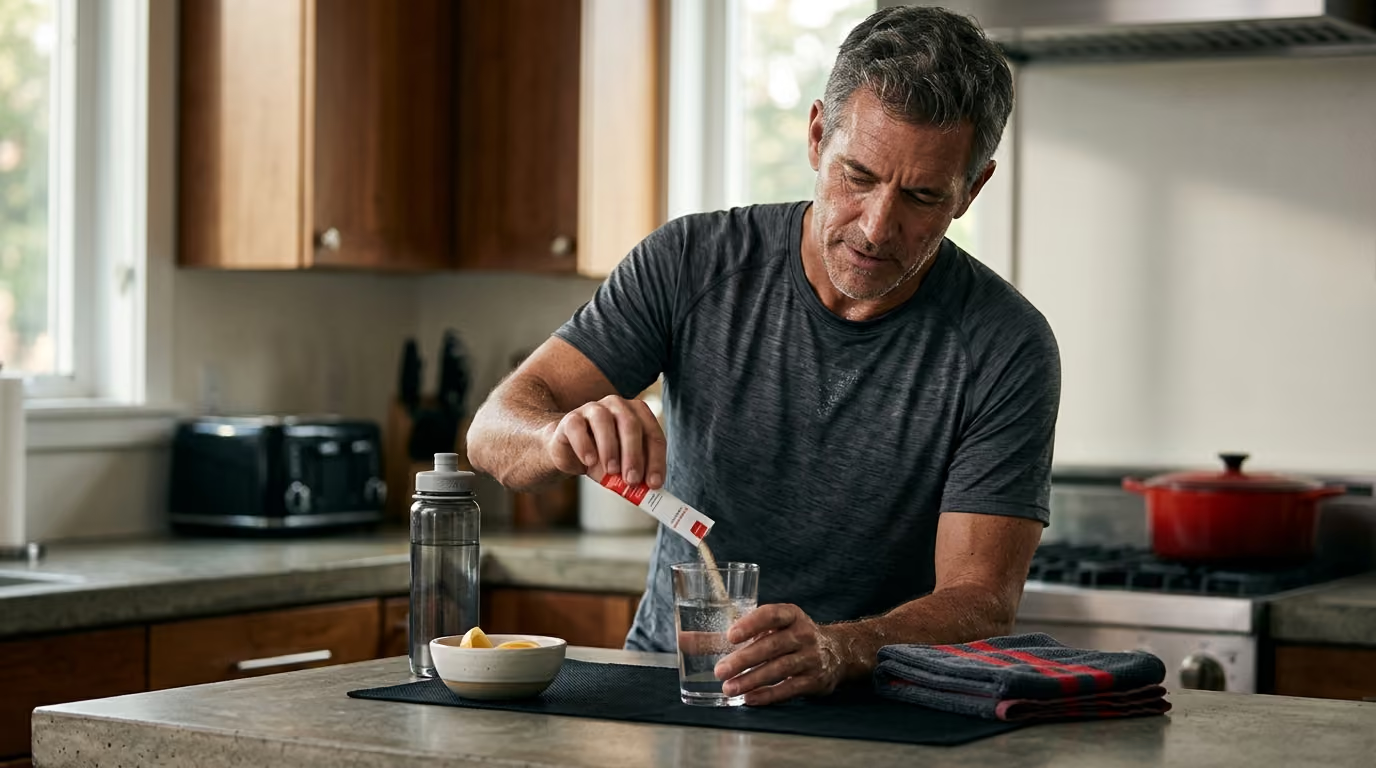
Hydration is the biological balance between the water in your body and the concentration of dissolved minerals within your cells and bloodstream. It is not a daily supplement routine, and it is not a commercial sports powder.
Fitness advertising often insists that every workout demands a specialized drink packed with sodium, potassium, and magnesium. The real physiology of fluid balance tells a much calmer story.
Your actual hydration needs depend on your body weight, daily food intake, sweating rate, environmental heat, and exercise duration. Age adds specific physical changes to that equation.
This guide examines what the scientific evidence actually shows about fluid balance for active men over 45. It provides a clear framework to help you separate genuine physiological needs from aggressive supplement marketing.
What Does the Science Actually Say About Fluid Balance?
The scientific literature views hydration as a dynamic equilibrium rather than a fixed daily target. Water makes up roughly sixty percent of an adult man's total body weight. This fluid sits inside your cells, within the spaces between tissues, and inside your bloodstream.
When your body loses water through breathing, skin evaporation, urination, and sweating, the concentration of solutes in your blood increases. Research indicates that the human body regulates this balance through precise hormonal pathways involving the brain, the adrenal glands, and the kidneys.
Sweat is not plain water. It contains dissolved minerals known as electrolytes. Sodium and chloride make up the vast majority of these lost minerals, with much smaller amounts of potassium, magnesium, and calcium.
Data from the National Athletic Trainers' Association shows that adult exercise sweat rates range from 0.5 liters to 4.0 liters per hour. Sodium losses during physical activity vary from 0.2 grams to 7.3 grams per hour.
These massive ranges explain why a single, standardized hydration rule cannot work for everyone. A light gym session in an air-conditioned room creates a completely different biological demand than a two-hour trail run in July.
The National Academies of Sciences, Engineering, and Medicine set the adequate intake for total daily water at approximately 3.7 liters for adult men. This population baseline counts fluid from all sources, including plain water, coffee, tea, and the moisture naturally present in whole foods.
Solid foods provide about twenty percent of a typical adult's daily water intake. Fruits, vegetables, meats, and cooked grains all supply meaningful amounts of water and basic minerals.
You do not need to drink nearly four liters of plain water from a bottle every day to remain well hydrated. Your daily meals do a significant portion of the work without any extra effort.
Why Do Hydration Dynamics Change After 45?
Aging brings subtle, normal changes to how the body processes water and manages mineral balance. These changes do not mean your body is failing. They simply require a more deliberate approach to daily fluid habits.
Thirst Sensation Declines Over Time
The brain detects dehydration through specialized sensors called osmoreceptors located in the hypothalamus. These sensors monitor blood thickness and trigger thirst when fluid levels drop.
Research from the National Institute on Aging shows that the sensitivity of this thirst mechanism naturally declines as men get older. You can develop a mild fluid deficit during work or exercise before your brain prompts you to drink.
Relying entirely on spontaneous thirst becomes less reliable as the decades pass. Active men over 45 benefit from having scheduled fluid checkpoints during extended workouts or hot outdoor activities.
Kidney Filtration and Water Conservation
The kidneys filter blood, balance electrolytes, and adjust urine volume to protect blood pressure. With normal aging, the kidneys gradually experience small reductions in their concentration capacity.
This means the kidneys may require slightly more water to excrete the same amount of metabolic waste. The body becomes slightly slower to retain water during acute dehydration.
This change does not create an immediate health crisis. It simply narrows your margin for error during long training sessions in hot conditions.
Body Composition and Lean Tissue Shifts
Muscle tissue holds roughly seventy-five percent water by weight, while body fat contains only about ten percent water. Natural changes in muscle mass across midlife can slightly reduce total body water reserves.
Maintaining lean muscle through structured strength and muscle training helps preserve this internal fluid reservoir. A larger muscle mass provides a larger buffer against acute dehydration during hard physical work.
Blood Pressure and Prescription Medications
Many men in their late forties, fifties, and sixties take medications that directly alter fluid and mineral regulation. Diuretics, ACE inhibitors, angiotensin receptor blockers, and beta-blockers influence how the kidneys handle sodium, potassium, and water excretion.
A high-sodium electrolyte drink might be harmless for a young endurance runner with low blood pressure. That same product could complicate blood pressure management for a 55-year-old man taking cardiovascular prescriptions.
Managing hydration after 45 requires paying attention to individual health baselines rather than copying the habits of younger athletes.
How Does Hydration Affect Daily Energy and Physical Capability?
Fluid balance directly shapes how your body produces energy, moves joints, and recovers from physical exertion. Understanding these connections helps you spot the difference between genuine dehydration and simple physical tiredness.
Exercise Capacity and Core Temperature
When you sweat, fluid leaves your bloodstream to cool your skin surface. If sweat losses are not replaced during long workouts, total blood volume drops slightly.
A lower blood volume forces the heart to beat faster to deliver oxygen to working muscles. The American College of Sports Medicine notes that losing more than 2% of your body mass through water deficit can impair aerobic performance.
This fluid loss also reduces your ability to dissipate body heat. Workouts feel noticeably harder, your heart rate climbs higher at normal paces, and your perceived effort increases.
Muscle Function and Cramping
Muscle contractions depend on rapid electrical signals across cell membranes. Sodium and potassium govern these electrical charges.
Severe fluid and sodium losses during prolonged, heavy sweating can disrupt normal neuromuscular signaling. This can contribute to muscle fatigue and cramping during long endurance events.
Most routine gym cramps are not caused by an acute lack of electrolytes. They are usually the result of muscle fatigue, poor conditioning, or sudden increases in training volume.
Joint Comfort and Connective Tissue
Joint cartilage consists largely of water bound within a matrix of collagen and proteins. Proper hydration supports synovial fluid production, which lubricates moving joints during exercise.
Chronic low-grade fluid deficits do not cause arthritis. They can, however, make stiff joints feel less forgiving during heavy movement sessions.
Staying well hydrated supports tissue glide, spine decompression, and general mobility and recovery between training days.
Mental Sharpness and Sustained Focus
The brain is highly sensitive to shifts in blood volume and electrolyte concentration. Mild dehydration can cause subtle drops in concentration, working memory, and mood.
Midlife men often mistake mild fluid deficits for low blood sugar or poor sleep. Drinking a glass of water when afternoon mental fatigue hits is often a sensible first step before reaching for another cup of coffee.
How Should Active Men Determine Their Real Fluid and Sodium Needs?
Determining what to drink should not involve guesswork or trend-following. A practical approach classifies training sessions by duration, heat exposure, and individual sweat output.
- WORKOUT CLASSIFICATION
- Category A: Short / Low Sweat Category B: Moderate Training
- Duration: Under 45-60 min Duration: 60-90 min
- Conditions: Cool or gym setting Conditions: Moderate heat or pace
- Fluid Strategy: Plain water Fluid Strategy: Water or light
- Electrolytes: None needed electrolytes based on heat
- Category C: Long / High Sweat Category D: Medical Conditions
- Duration: Over 90 min Factors: High blood pressure
- Conditions: High heat or humidity kidney issues, diuretics
- Fluid Strategy: Measured fluid Fluid Strategy: Doctor-guided
- Electrolytes: Sodium replacement personalized fluid protocol
Category A: Short or Low-Sweat Training
This category includes resistance training workouts lasting 30 to 45 minutes in a climate-controlled gym, easy walks, and short indoor rides. Sweat losses in these sessions are modest.
Plain water taken according to comfort is completely sufficient for these workouts. Commercial electrolyte powders provide no measurable performance benefit in this context.
Your regular post-workout meal easily replaces the small amounts of sodium and chloride lost through your skin.
Category B: Moderate-Duration Training
This group covers 60 to 90 minutes of continuous running, sustained cycling, heavy conditioning, or recreational court sports. Sweat losses become meaningful during these sessions, especially in warm weather.
Water remains the primary fluid requirement. If the environment is hot or you sweat heavily, adding a modest amount of sodium can improve fluid absorption.
A light electrolyte drink or a slightly salted meal before the workout works well here.
Category C: Long-Duration or High-Sweat Exercise
This category applies to endurance sessions lasting two hours or longer, long summer hikes, tournament play, or heavy physical labor in the sun. Total fluid losses can easily exceed two to three liters.
Sodium loss becomes a primary limiting factor during these extended efforts. Replacing both water and sodium during the activity is necessary to maintain blood volume and prevent extreme fatigue.
Planning a steady intake of fluid and sodium prevents large physical deficits that could take days to restore.
Category D: Medical or Medication Considerations
Men with diagnosed hypertension, congestive heart failure, kidney disease, or liver conditions belong in this group. Men taking prescription diuretics or blood pressure medications also need individualized care.
Standard sports-nutrition guidelines do not apply to these situations. Adding high-sodium powders can elevate blood pressure, while excessive water intake can cause dangerous fluid retention.
Fluid and mineral targets for this group must be coordinated directly with a personal physician.
How to Calculate Your Personal Sweat Rate
Measuring your individual sweat rate removes all guesswork from your hydration plan. You can calculate your sweat rate with a simple bathroom scale and a standard training session.
- Empty your bladder and weigh yourself with minimal clothing immediately before exercising.
- Track the exact amount of water you drink during the workout in ounces or milliliters.
- Note if you urinate during the session.
- Towel off all sweat thoroughly after finishing your workout, remove damp clothing, and weigh yourself again.
- Subtract your post-workout weight from your pre-workout weight.
- Add the weight of the fluid you drank during the session to that difference.
- Subtract the estimated weight of any urine produced.
- Divide that final number by the total duration of your workout in hours.
The resulting figure is your hourly sweat rate under those specific weather and effort conditions. If you lose two pounds during a one-hour run while drinking 16 ounces of water, your sweat loss was roughly 48 ounces per hour.
Repeating this measurement in cold weather, warm weather, and hard sessions gives you a reliable personal baseline. You can use these numbers to plan fluid intake for future long-distance events.
- SWEAT RATE CALCULATION FLOW
- Step 1: Record pre-exercise dry body weight
- Step 2: Track fluid consumed during exercise
- Step 3: Record post-exercise dry body weight
- Step 4: Calculate total weight difference
- (Pre-weight minus Post-weight)
- Step 5: Add volume of fluid consumed to weight difference
- Step 6: Subtract any urine produced during exercise
- Step 7: Divide result by exercise time in hours
- Final Result Personal Hourly Sweat Rate
Protocols for Post-Workout Rehydration
When you have 24 hours before your next hard training session, normal drinking and balanced meals will restore hydration naturally. Aggressive rehydration protocols are only needed when you must perform again within a few hours.
Sports science research on fluid balance recovery shows that drinking 1.25 to 1.5 liters of fluid for every kilogram of body mass lost restores balance quickly. The extra volume accounts for the urine your kidneys produce while processing the fluid.
Eating a regular meal containing dietary sodium alongside this water helps your body hold the fluid inside its blood vessels. Consuming water without any sodium causes the kidneys to produce urine rapidly, slowing full rehydration.
What Separates Real Electrolyte Needs From Marketing Hype?
The wellness market has turned simple mineral salts into expensive daily health products. Learning how to read ingredient labels protects your wallet and keeps your daily nutrition on track.
Sodium Is the Primary Exercise Mineral
Sodium is the main mineral lost in human sweat. It sits in the extracellular fluid outside your cells, where it controls blood volume and osmotic pressure.
When an active man needs an electrolyte supplement during long, hot workouts, sodium is the mineral that actually matters. An effective exercise drink provides realistic amounts of sodium to replace sweat losses.
Table salt is sodium chloride, which means it is roughly forty percent sodium and sixty percent chloride. A product listing 1,000 milligrams of salt contains only about 400 milligrams of actual sodium.
Potassium Is Better Obtained From Whole Foods
Many commercial electrolyte products highlight their potassium content as a major selling point. Potassium is an essential intracellular mineral, but sweat contains very little of it compared to sodium.
The adequate intake for potassium is roughly 4.7 grams per day for adult men. This mineral is best obtained through whole foods like potatoes, beans, lentils, spinach, bananas, and fish.
High-dose potassium supplements can be hazardous for men with reduced kidney filtration or those taking certain heart medications. Rely on your grocery cart rather than a supplement powder to meet your daily potassium needs.
Evaluating Commercial Electrolyte Products
Commercial products generally fall into three distinct formulations. Each serves a different purpose, and some are largely unnecessary for regular gym training.
- ELECTROLYTE PRODUCT COMPARISON
- Product Type Key Characteristics Best Use Case
- High-Sodium Mixes 500-1000mg sodium, Long endurance, heavy sweat
- minimal sugar extreme heat sessions
- Traditional Modest sodium, High-intensity endurance
- Sports Drinks 6-8% carbohydrates needing continuous fuel
- Low-Dose Wellness 50-150mg sodium, Flavored water alternative
- Powders trace minerals minimal physical benefit
High-Sodium Endurance Mixes
These products supply 500 to 1,000 milligrams of sodium per serving with little to no added sugar. They are designed specifically for heavy sweaters, marathon runners, and cyclists training in high heat.
They are useful tools for long, demanding physical sessions. Using them while sitting at an office desk or during a light 30-minute lift is unnecessary.
Traditional Carbohydrate Sports Drinks
Standard sports beverages contain modest amounts of sodium alongside a six to eight percent carbohydrate solution. The sugar supplies fast-burning glucose to working muscles during prolonged endurance events.
These drinks work well for soccer matches, long runs, and multi-hour bike rides. They add unnecessary liquid calories when consumed during short gym workouts or general daily activities.
Low-Dose Wellness Packets
Many trendy lifestyle powders contain tiny amounts of sodium, often around 50 to 150 milligrams per packet. They focus heavily on trace minerals and marketing buzzwords.
These products do not contain enough sodium to support heavy endurance sweating. They function mainly as expensive water flavorings.
If you enjoy the taste and it helps you drink water, there is little harm, but they are not physiological necessities.
How Do Caffeine and Alcohol Really Impact Fluid Balance?
Caffeine and alcohol are common parts of daily life, yet both are frequently misunderstood regarding their effects on hydration. Scientific research provides clear boundaries for how both substances behave in the human body.
The Truth About Caffeine and Daily Hydration
For decades, popular fitness advice warned that coffee and tea cause severe dehydration. Modern exercise science has thoroughly disproven this idea for normal daily consumption.
A comprehensive review published in the Journal of Science and Medicine in Sport demonstrated that habitual caffeine intake does not cause fluid imbalance. The human body develops rapid tolerance to the mild diuretic properties of caffeine.
Controlled clinical trials comparing moderate coffee intake to plain water found no significant differences in 24-hour urine volume or total body water. The fluid provided by a standard cup of coffee more than compensates for the small amount of urine produced.
Caffeine can stimulate acute urine production at rest only when consumed in very high doses. Studies show that doses around 6 milligrams per kilogram of body weight can cause temporary diuresis in non-habituated individuals.
For an 85-kilogram man, that equals more than 500 milligrams of caffeine in a single sitting, which is roughly five standard cups of brewed coffee. A morning cup or two of coffee before exercise counts toward your daily fluid total without compromising your hydration status.
- CAFFEINE DOSAGE AND FLUID
- Moderate Habitual Intake High Acute Intake
- (1-3 cups coffee, 3mg/kg) (5 cups coffee, 6mg/kg)
- Fluid Status: Net positive balance Fluid Status: Temporary diuresis
- Exercise Impact: Safe, non-drying Exercise Impact: Rest-period loss
How Alcohol Affects Exercise Recovery
Alcohol interacts with the endocrine system in a very different way than caffeine. Alcohol suppresses the release of arginine vasopressin, an antidiuretic hormone produced by the pituitary gland.
When vasopressin levels drop, the kidneys lose their ability to concentrate urine. They dump water rapidly into the bladder, regardless of whether your body is already dehydrated from exercise.
Clinical research on post-workout recovery shows that beverages containing 4% alcohol delay the restoration of blood volume after exercise-induced sweating. Low-alcohol beverages containing less than 2% alcohol show far less disruptive effects on fluid recovery.
Drinking several beers immediately after a hot workout compromises your rehydration, slows muscle repair, and impairs sleep quality. If you choose to enjoy an alcoholic beverage after physical activity, drink water and eat a balanced meal first.
Why Does Body Weight Fluctuate So Much After Hard Workouts?
Men tracking their health often get frustrated by sharp scale fluctuations from day to day. Understanding the relationship between body water, sodium, and muscle fuel prevents unnecessary worry about normal weight shifts.
- BODY WEIGHT FLUCTUATION CAUSES
- Factor 1: Sweat Loss - Acute drop (water loss)
- Factor 2: High-Sodium Meal - Acute rise (temporary water hold)
- Factor 3: Glycogen Storage - 1g glycogen holds 3-4g water
- Factor 4: Gastrointestinal Bulk- Mass of unabsorbed food and fluid
Water Weight Versus True Fat Loss
A hard, sweaty workout can cause your scale weight to drop by two to four pounds in a single hour. This sudden drop is entirely water and dissolved minerals, not body fat.
Losing a single pound of adipose tissue requires a sustained caloric deficit over time. Believing that a heavy sweat session represents instant fat loss leads to poor training choices and intentional dehydration.
Glycogen Storage and Water Binding
Carbohydrates are stored in human muscle and liver tissue in the form of glycogen. Glycogen serves as primary fuel for high-intensity lifting and interval conditioning.
Each gram of stored muscle glycogen binds with approximately three to four grams of water. When you deplete muscle glycogen during a hard workout, you lose both the carbohydrate fuel and the bound water.
When you eat a carbohydrate-rich dinner that evening, your body restocks those muscle glycogen stores. The scale may jump up two or three pounds overnight.
This weight increase represents restored energy reserves and intracellular hydration inside your muscle fibers. It is a sign of proper recovery, not unwanted fat accumulation.
Dietary Sodium Shifts and Fluid Retention
Eating a restaurant meal or a salty dinner causes your body to temporarily retain extra extracellular fluid. The kidneys hold onto water to keep blood sodium concentrations within a narrow, healthy range.
This fluid retention is temporary and normal for healthy adults. Within 24 to 48 hours, your kidneys excrete the excess sodium and fluid, returning your scale weight to its normal baseline.
Men working on their energy and metabolism should look at weekly weight averages rather than stressing over single-day scale spikes.
Which Common Hydration Beliefs Are Not Supported by Evidence?
Fitness culture contains many persistent myths about water and mineral intake. Examining these claims against clinical evidence helps you avoid counterproductive habits.
Myth 1: Every Active Man Needs an Electrolyte Drink Every Day
The most common marketing claim is that anyone who exercises needs an electrolyte supplement daily. This claim ignores standard human digestive and renal physiology.
If you train for 45 minutes in a gym, your sweat losses are small. Your regular daily meals provide more than enough sodium, chloride, potassium, and magnesium to replenish what you lost.
Buying electrolyte drinks for light daily training is an unnecessary expense that offers no real physiological advantage.
Myth 2: Urine Must Be Completely Clear at All Times
Many men believe that completely clear urine is the ultimate gold standard of optimal health. In reality, clear urine often indicates that you are simply drinking water faster than your body can use it.
Urine should ideally be a pale straw or light yellow color throughout the day. Constantly forcing water to keep urine crystal clear wastes minerals and causes frequent trips to the bathroom that disrupt sleep.
Myth 3: You Cannot Drink Too Much Water During Exercise
For decades, athletes were told to drink as much water as possible during physical activity. We now know that overdrinking plain water during extended exercise can be dangerous.
Drinking excessive plain water while sweating heavily dilutes the sodium concentration in your bloodstream. This condition is known as exercise-associated hyponatremia.
Severe hyponatremia can cause brain swelling, confusion, seizures, and medical emergencies. The goal during exercise is to prevent excessive dehydration without drinking so much that you gain weight during the workout.
- DEHYDRATION VS OVERHYDRATION
- Hypohydration (Under-drinking) Hyponatremia (Over-drinking)
- Cause: Unreplaced sweat loss Cause: Excessive plain water
- Effect: Elevated heart rate, heat Effect: Diluted blood sodium
- strain, impaired endurance nausea, confusion, headache
- Fix: Drink to replace deficit Fix: Match sweat rate, add sodium
Myth 4: Salt Residue Means You Are Suffering From Mineral Deficiency
Finding white salt rings on your shirt or hat after a summer run is common. Many men assume this means they have an unhealthy sodium deficiency that requires immediate correction.
White salt residue simply means you have a higher sweat sodium concentration or that the water in your sweat evaporated quickly in dry air. It is a normal physiological variation.
It tells you that you may need more sodium during long multi-hour events. It does not mean your body is in an acute mineral crisis during everyday life.
Where Is the Evidence Still Thin or Mixed?
Scientific integrity requires stating clearly where research is limited, conflicting, or still evolving. Not every question about fluid balance has a definitive answer.
Commercial Sweat Testing Patches
Wearable skin patches and microfluidic sensors that claim to measure real-time sweat sodium loss have become popular. While the underlying engineering is promising, field accuracy remains variable.
Sweat composition changes across different areas of the body, at different sweat rates, and as your body acclimatizes to summer heat. A single patch on your forearm does not always represent your total whole-body sodium loss accurately.
These devices provide interesting data estimates, but they should not be treated as absolute medical measurements.
High-Sodium Loading Strategies for Midlife Athletes
Some extreme endurance protocols recommend consuming large doses of sodium before training to expand blood volume artificially. While this practice can benefit elite young athletes competing in multi-hour ultra-endurance events, its safety in midlife men is less clear.
For men over 45 with borderline high blood pressure or subtle vascular stiffness, sudden sodium loading can cause sharp spikes in arterial pressure. High-quality long-term research on heavy sodium loading in masters athletes remains limited.
Cramp Prevention Formulations
The supplement market offers countless drinks, pickle juice shots, and mineral tablets claiming to prevent muscle cramps instantly. Clinical trials on these products show highly mixed results.
Some studies suggest that strong acidic tastes in the mouth stimulate neural reflexes in the throat that quiet cramping muscles. Other studies show no benefit beyond the placebo effect.
The evidence that routine cramps are solved simply by swallowing a mineral tablet remains weak.
Practical Daily Framework for Men Over 45
Building a solid hydration routine does not require complicated formulas. It requires a consistent daily baseline combined with common-sense adjustments for exercise.
Daily Baseline Habits
- Drink a glass of water when you wake up to replace fluid lost through breathing overnight.
- Rely on whole foods like fruits, vegetables, and lean meats to supply basic minerals and food water.
- Count your morning coffee and tea toward your daily fluid intake.
- Pay attention to subtle energy drops in the afternoon and drink a glass of water before seeking extra snacks.
- Check your urine color periodically aiming for a pale straw color rather than completely clear water.
Training Day Execution
- Check your body weight before and after hard summer sessions to understand your personal sweat losses.
- Stick to plain water for gym lifting, easy conditioning, and workouts under 60 minutes.
- Use a measured sodium-containing drink during hard workouts lasting longer than 90 minutes in the heat.
- Avoid forcing fluid intake to the point where you finish a workout heavier than when you started.
- Pair your post-workout rehydration with a balanced meal to help your body retain the fluid.
A grounded approach to fluid balance supports sustained physical capability, healthy aging and longevity, and daily energy without buying into unnecessary supplement trends.
What Is the Core Takeaway for Men Over 45?
Hydration after 45 is about matching fluid and sodium intake to your actual sweat losses, workout duration, and personal health conditions. Most active men need plain water and nutrient-dense whole meals for regular workouts, reserving targeted sodium replacement for long, hot, and demanding physical training.
Frequently Asked Questions
Does drinking cold water burn more calories than room temperature water?
Drinking cold water causes the body to expend a tiny amount of thermal energy to warm the fluid to internal body temperature. This caloric cost is extremely small, amounting to roughly eight calories per glass. It produces no meaningful change in daily metabolic rate or fat loss.
Can I drink too much water if I have high blood pressure?
Consuming massive volumes of fluid in a short window can temporarily expand blood volume, which may place extra workload on the cardiovascular system. Men with hypertension should focus on steady, moderate fluid intake throughout the day rather than chugging large bottles of water rapidly.
How do I know if my electrolyte drink has enough sodium to matter?
Look at the nutrition facts panel for the actual milligrams of elemental sodium per serving. A functional exercise drink for heavy sweating should provide roughly 300 to 700 milligrams of sodium per standard bottle. Products containing less than 100 milligrams of sodium per serving function primarily as flavored water.
Why do I wake up thirsty in the middle of the night?
Waking up with a dry mouth is frequently caused by mouth breathing, bedroom air that is too dry, snoring, or mild sleep apnea. It does not necessarily mean your body is severely dehydrated. Drinking large amounts of water right before bed will simply disrupt your sleep with nighttime bathroom visits.
Sources
Stay sharp
Get the word
Join our newsletter for the best writing advice and stories from the field.