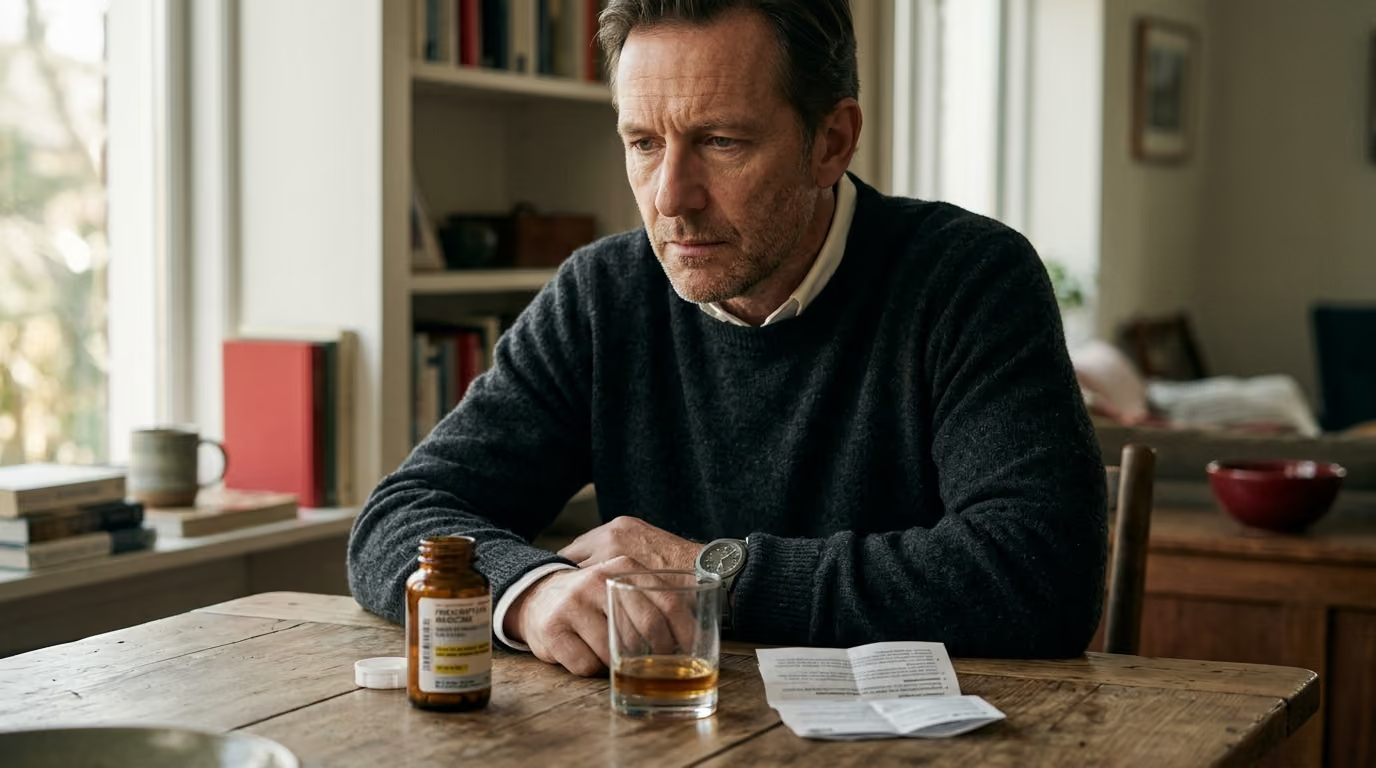
When midlife brings changes in sexual desire, morning erections, or daily energy, the cultural conversation often points to a single explanation: testosterone. Modern marketing frequently treats testosterone as a numerical measurement of personal worth. If the number drops, the man is told his masculinity, drive, and physical power are slipping away. If he raises it, everything from his marriage to his focus will supposedly snap back into place.
The biological reality is far more interesting and complex. Testosterone is an essential androgen hormone, but it is not a direct substitute for vitality, desirability, or character. A low laboratory reading does not mean you have failed as a man. A normal reading does not guarantee a strong marriage, boundless energy, or rock-solid confidence.
Medical evidence shows that hormone levels exist within a broader human system. Cardiovascular health, sleep architecture, metabolic function, mental stress, relationship communication, and self-perception all interact with our hormones. Understanding how these factors connect allows you to move past marketing hype and address your health with clarity.
Separate Clinical Hypogonadism From the Experience of Aging
A healthy hormone conversation begins by distinguishing between a medical condition and the broad physical transitions of midlife. In clinical medicine, low testosterone is not defined by fatigue, dissatisfaction, or a single lab test. Clinical guidelines define hypogonadism, or androgen deficiency, as a specific diagnosis requiring both compatible symptoms and unequivocally low serum testosterone across repeat blood tests.
Testosterone is produced primarily by the Leydig cells in the testes, directed by signaling from the hypothalamus and the pituitary gland. When this axis functions normally, it supports bone density, red blood cell production, muscle protein synthesis, and aspects of sexual function.
Clinical hypogonadism generally falls into three main categories:
- Primary Hypogonadism: The testes themselves have an impaired ability to produce testosterone, often accompanied by elevated pituitary signaling hormones.
- Secondary Hypogonadism: The hypothalamus or pituitary gland fails to signal the testes effectively.
- Functional Suppression: Testosterone production is temporarily or chronically suppressed by factors like visceral obesity, severe sleep apnea, extreme stress, chronic illness, or certain prescription medications.
Many men over 45 who feel exhausted or notice a drop in libido assume they have irreversible hormonal failure. In many cases, their hormone production is functionally suppressed by reversible metabolic or lifestyle stressors. The goal of a proper clinical workup is to identify what is actually happening in the body before jumping to lifelong hormone therapy.
Evaluate How Testosterone Levels Change After 45
It is widely claimed that male testosterone drops by a fixed percentage every year after age 30, as if the testes possess an internal countdown clock. The research tells a more nuanced story. While average population levels of testosterone do trend downward with age in Western societies, this decline is heavily driven by accumulated health conditions.
Research shows that the apparent age-related decline in testosterone is substantially influenced by increasing visceral obesity, medication use, sleep fragmentation, and sedentary habits. Healthy older men who maintain strong metabolic health, lean body mass, and consistent sleep often experience much smaller declines in serum testosterone than population averages suggest. Normal aging is not a disease, and midlife changes in energy are rarely caused by a single isolated hormone.
As men age, changes also occur in Sex Hormone-Binding Globulin (SHBG). SHBG is a liver-produced protein that binds to testosterone in the bloodstream:
- Bound Testosterone: Roughly 98 percent of circulating testosterone is bound to SHBG and albumin.
- Free Testosterone: The remaining 1 to 2 percent circulates unbound and is readily available to tissues.
As SHBG levels naturally rise with age, total testosterone measurements may remain stable while free testosterone levels drop. Conversely, men with high insulin levels or fatty liver changes may experience altered SHBG levels that make standard blood panels tricky to interpret.
These shifts alter the hormonal landscape, but they do not automatically cause clinical dysfunction. When a man over 45 notices shifts in physical performance, recovery, or sexual interest, looking at metabolic health, sleep quality, and daily habits provides a far more accurate picture than looking at a single lab value.
Understand the Real-Life Difference Between Desire, Erections, and Vitality
One of the most common missteps in men's health is treating all sexual and energy complaints as a single issue. Men often assume that if their energy is low, their erections are inconsistent, and their relationship feels strained, testosterone therapy will resolve all three. Clinical data demonstrates that these are distinct biological and psychological outcomes.
Large clinical trials, including the Testosterone Trials in older men, show that testosterone replacement provides measurable, moderate improvements in sexual desire, sexual thoughts, and sexual activity in men with confirmed deficiency. It can also produce a modest improvement in mood.
However, the same trials demonstrated that testosterone therapy did not significantly improve daily vitality or chronic fatigue when measured on validated clinical fatigue scales. A man may restore his testosterone to a mid-normal range and still feel exhausted if his fatigue stems from poor sleep, work stress, or poor diet.
Erectile function and sexual desire are also biologically distinct:
- Libido (Desire): The neurological and hormonal drive to seek sexual intimacy. Testosterone plays a central role here.
- Arousal and Erection: A complex neurovascular event that relies on nitric oxide release, endothelial blood flow, autonomic nervous system balance, and tissue elasticity.
- Orgasm and Ejaculation: Neurological reflex events mediated by sympathetic and somatic nerves.
- Sexual Satisfaction: A subjective psychological and relational experience shaped by emotional safety, communication, mutual pleasure, and absence of anxiety.
A man can have high testosterone and strong libido but struggle with erections due to early vascular disease, high blood pressure, or performance anxiety. Conversely, a man can have lower testosterone and achieve reliable erections when he is rested, relaxed, and emotionally connected with his partner.
Erectile dysfunction is often a vascular, metabolic, or psychological issue rather than a purely hormonal one. Guidelines from the American Urological Association recommend checking morning total testosterone during an evaluation for erectile difficulties, but this does not mean testosterone is the sole cause. Treating an erection problem solely with hormones while ignoring vascular health or relationship tension often leads to disappointment.
Navigate the Three Conversations: The Body, The Self, and The Relationship
When sexual or hormonal concerns arise in midlife, they do not occur in a vacuum. A helpful framework divides these challenges into three simultaneous conversations: the body, the self, and the relationship.
1. The Conversation With the Body
This conversation focuses on objective health markers, symptoms, and physiology. Key questions include:
- Are symptoms primarily physical, sexual, or emotional?
- How is the quality of sleep, and is there evidence of loud snoring or daytime grogginess?
- What prescription medications, alcohol habits, or metabolic markers might be playing a role?
- Have blood tests confirmed genuine androgen deficiency on multiple fasting morning draws?
This clinical lens views the body without moral judgment, treating symptoms as clues rather than personal flaws.
2. The Conversation With the Self
This conversation explores the internal narrative and self-worth. Many men equate physical performance and morning erections directly with their masculine identity:
- Am I equating an involuntary vascular reflex with my character or strength?
- Am I grieving a past version of my body and feeling anxious about aging?
- Am I comparing my reality to fitness media, pornographic standards, or unrealistic cultural expectations?
When an erection falters, a man may interpret it as a failure of his manhood. This triggers adrenaline and performance anxiety, which shuts down blood flow and causes future erectile difficulties. Recognizing that erections are responsive biological events, not tests of character, helps break this destructive cycle.
3. The Conversation With the Relationship
Changes in desire or erectile consistency inevitably affect a romantic partner. Without clear communication, misunderstandings arise quickly:
- Is a partner interpreting a lack of spontaneous erection or reduced initiation as personal rejection or a loss of attraction?
- Is the man withdrawing from all physical touch because he fears it must lead to intercourse he cannot sustain?
- Can the couple separate physical affection and intimacy from penetrative performance?
When intimacy becomes a high-stakes test, both partners suffer. Shifting the focus from performance to shared pleasure and mutual connection removes immense pressure, allowing physical intimacy to thrive regardless of hormonal shifts.
Diagnose and Address Practical Factors Before Assuming Hormonal Failure
Before concluding that a drop in vitality or sexual response is an irreversible hormonal issue, several practical, evidence-backed lifestyle factors should be systematically evaluated.
Sleep Quality and Airway Health
Testosterone synthesis occurs primarily during deep, non-REM sleep. Fragmented sleep, chronic insomnia, or shift work directly suppresses natural testosterone production.
Obstructive sleep apnea (OSA) is especially common in men over 45. OSA causes repeated nighttime airway collapses, resulting in oxygen desaturation and chronic sleep disruption.
Clinical research demonstrates that obstructive sleep apnea is strongly associated with low testosterone levels, particularly in men carrying extra body weight. Men with untreated severe sleep apnea should address airway health before considering hormone replacement, as exogenous testosterone can worsen untreated sleep apnea.
Metabolic Health and Body Composition
Visceral adipose tissue, the fat stored deep around abdominal organs, is metabolically active. It produces inflammatory cytokines and contains aromatase, an enzyme that converts testosterone into estradiol.
Carrying excess abdominal weight and dealing with insulin resistance can significantly lower circulating total and free testosterone. Improving metabolic health through regular movement, resistance training, and balanced nutrition can help restore endogenous hormone balance naturally.
Physical Training and Recovery Balance
Resistance training is one of the most reliable ways to preserve muscle mass, bone density, and insulin sensitivity as you age. However, chronic overtraining combined with inadequate calories, poor sleep, or high life stress acts as a potent suppressor of the pituitary-testicular axis.
Balancing heavy strength work with sufficient recovery days, walking, and stress management supports healthy hormone balance.
Alcohol and Prescription Medications
Regular alcohol intake can impair Leydig cell function in the testes and alter liver metabolism of hormones.
Additionally, many common medications used by men in midlife can impact sexual function and hormone levels:
- Blood pressure medications: Beta-blockers and certain diuretics can reduce erectile blood flow.
- Antidepressants: Selective serotonin reuptake inhibitors (SSRIs) frequently affect libido, arousal, and orgasm.
- Opioid pain medications: Chronic opioid therapy strongly suppresses the pituitary gland, leading to low testosterone.
- Statins and 5-alpha reductase inhibitors: In some men, these can contribute to subtle shifts in sexual function or androgen signaling.
Reviewing current medications with a prescribing physician is a vital step before seeking hormone therapy.
Avoid Common Misreadings of the Evidence
Hormone health is surrounded by marketing exaggerations and fitness myths. Evaluating the actual clinical evidence helps clear up the most common misconceptions.
Misreading 1: A Single Low Lab Test Confirms You Need Treatment
Commercial clinics often order a single blood draw, sometimes in the afternoon, and immediately prescribe hormone therapy. Clinical practice guidelines from the Endocrine Society explicitly state that hypogonadism should only be diagnosed after multiple fasting morning blood draws show unequivocally low testosterone levels.
Testosterone levels fluctuate significantly throughout the day, peaking in the early morning and dropping in the afternoon or after meals. An acute illness, a night of poor sleep, or an intense workout the day before can temporarily suppress your numbers. Repeat testing under standardized conditions is essential.
Misreading 2: Testosterone Therapy Will Automatically Fix Your Marriage and Mood
Because testosterone plays a role in mood and energy, it is often promoted as a cure-all for midlife depression, relationship conflict, and emotional burnout.
While clinical trials show modest improvements in mood and depressive symptoms in hypogonadal men receiving treatment, hormones cannot resolve deep-seated relationship resentment, poor communication, or existential career stress. A prescription cannot replace honest communication, couples therapy, or proper mental health care.
Misreading 3: Testosterone Preserves or Has No Effect on Male Fertility
Many men over 45 in new relationships or considering fatherhood assume that taking testosterone will boost their reproductive health. In reality, exogenous testosterone acts as a powerful contraceptive.
When you introduce external testosterone into your body, the pituitary gland senses the high levels and shuts down the production of Luteinizing Hormone (LH) and Follicle-Stimulating Hormone (FSH). Without LH and FSH, the testes stop producing their own testosterone and cease sperm production. Guidelines strongly advise against starting testosterone therapy in any man who hopes to father children in the near future.
Examine Clinical Safety, Cardiovascular Data, and Treatment Boundaries
For men with true, confirmed clinical hypogonadism, testosterone therapy is an effective and validated medical treatment. However, understanding its safety profile, monitoring requirements, and contraindications ensures safe, long-term care.
Cardiovascular Safety: The TRAVERSE Findings
For years, debates surrounded the cardiovascular safety of testosterone therapy. The landmark TRAVERSE trial evaluated over 5,200 middle-aged and older men with documented hypogonadism and preexisting cardiovascular disease or elevated cardiovascular risk.
The trial demonstrated that medically supervised testosterone therapy, aimed at restoring physiological levels, was not associated with an increase in major adverse cardiovascular events compared to a placebo.
While these findings offer strong reassurance for men with a clear medical need, they do not mean testosterone is entirely risk-free. The FDA continues to require class-wide labeling that includes warnings regarding blood pressure elevations. Medically indicated replacement is very different from unsupervised, high-dose anabolic steroid use.
Erythrocytosis and Blood Viscosity
One known physiological effect of testosterone is the stimulation of erythropoietin, which increases the production of red blood cells. While this can help resolve mild anemia, it can also lead to erythrocytosis, where the hematocrit (the proportion of blood volume made up of red blood cells) rises too high.
Guidelines recommend checking baseline hematocrit and monitoring it regularly throughout treatment:
- Hematocrit Thresholds: If hematocrit rises above 54 percent, clinical guidance advises adjusting the dose, switching formulations, or pausing therapy to prevent complications related to elevated blood viscosity.
- Secondary Factors: Elevated hematocrit should also prompt an evaluation for underlying sleep apnea, smoking, or chronic pulmonary disease.
Prostate Health and Clinical Contraindications
Testosterone therapy does not cause prostate cancer. However, because prostate tissue is androgen-sensitive, clinical guidelines outline clear contraindications:
- Prostate and Breast Cancer: Men with active, untreated prostate or breast cancer should not use testosterone therapy.
- Palpable Nodules or Elevated PSA: A suspicious digital rectal exam or unexplained elevation in Prostate-Specific Antigen (PSA) requires thorough urological evaluation before starting treatment.
- Recent Cardiovascular Events: Men who have experienced a stroke or myocardial infarction within the preceding six months should avoid starting testosterone therapy until their cardiovascular status has stabilized.
- Severe Urinary Symptoms: Severe lower urinary tract obstruction related to benign prostatic hyperplasia should be treated before starting hormone therapy.
Use Constructive Communication Scripts for Doctors and Partners
Navigating changes in midlife vitality requires clear, mature communication. Below are practical frameworks for discussing these sensitive topics with your healthcare provider and your romantic partner.
Clear Scripts for the Doctor's Office
Approaching your doctor with specific goals leads to a much more productive clinical evaluation:
- "I am experiencing changes in my sexual desire and erectile consistency. I would like to run a full diagnostic panel, including fasting morning total and free testosterone, metabolic markers, and a review of my current medications."
- "My main concern is chronic exhaustion, but my libido is normal. Before we focus only on hormones, I want to evaluate my sleep, screen for sleep apnea, and check my thyroid and blood markers."
- "If my lab work confirms low testosterone, I want to discuss the pros, cons, and monitoring requirements of treatment, including how it might affect my fertility and red blood cell count."
Honest Scripts for Your Romantic Partner
Opening up to a partner relieves performance pressure and builds emotional closeness:
- "I’ve noticed some changes in my body and my sexual responses lately. I want you to know this is a biological health matter, not a reflection of my love or attraction to you."
- "When I feel like every romantic moment has to lead to intercourse, I get anxious about my body's response. Can we focus on closeness, affection, and touch without making penetration the only goal?"
- "I am working with my doctor to look at my overall health, sleep, and lab work. Let's keep talking openly about what we both need so we can navigate this as a team."
Recognize Where the Evidence Remains Thin or Emerging
A grounded, research-led approach requires honesty about the limits of scientific knowledge. While we have robust data on physiological replacement in diagnosed hypogonadism, several related areas remain unclear:
Commercial "Vitality" and "Longevity" Stacks
Direct-to-consumer clinics frequently market combinations of testosterone, human chorionic gonadotropin (hCG), aromatase inhibitors, and growth hormone secretagogues to healthy men for anti-aging purposes.
There are no long-term, high-quality clinical trials showing that keeping testosterone at high or superphysiological levels in healthy, non-hypogonadal men extends lifespan, improves cognitive sharpness, or prevents chronic disease. Most claims in this space rely on short-term observational data, animal studies, or aggressive commercial marketing.
Over-the-Counter Testosterone Boosters
The supplement market is flooded with herbal formulas containing ingredients like tribulus terrestris, tongkat ali, ashwagandha, and fenugreek, claiming to dramatically raise testosterone.
Rigorous systematic reviews show that while some botanical compounds may have mild adaptogenic effects or slightly reduce perceived stress, the evidence that they reliably elevate serum testosterone in clinically meaningful amounts is weak and inconsistent.
Mood and Cognitive Decline
While severe testosterone deficiency can contribute to mood swings and irritability, the evidence regarding testosterone's ability to enhance memory, mental focus, or executive function in men without severe deficiency is mixed. Testosterone should not be viewed as a standalone treatment for clinical depression or cognitive decline.
The Takeaway
True vitality after 45 is not a single number on a laboratory report, and your masculine identity is not measured by an involuntary vascular reflex. When physical or sexual changes occur, step back and evaluate your whole health: prioritize restorative sleep, protect metabolic health, pursue proper clinical testing, and communicate openly with your partner.
Key Takeaways
- Clinical Diagnosis Requires Repeat Testing: Hypogonadism is not diagnosed by a single blood draw or fatigue alone. It requires compatible symptoms combined with unequivocally low fasting morning testosterone levels across repeat tests.
- Desire and Erections Are Biologically Distinct: Testosterone directly influences libido and sexual thoughts, while erections are primarily neurovascular events. Improving hormone levels does not automatically resolve vascular or anxiety-driven erectile difficulties.
- Lifestyle and Metabolic Health Influence Hormones: Visceral obesity, untreated obstructive sleep apnea, high stress, and medications frequently cause functional hormonal suppression that can improve with lifestyle adjustments.
- Cardiovascular Safety is Reassuring Under Medical Care: Large trials show medically supervised testosterone therapy in hypogonadal men does not increase major adverse cardiovascular events, though routine monitoring of hematocrit and blood pressure remains necessary.
- Open Communication Lowers Performance Anxiety: Treating intimacy as a shared emotional experience rather than a physical performance test protects relationship connection and breaks the cycle of performance anxiety.
Taking a measured, research-led approach to your hormones allows you to make informed medical decisions and build lasting vitality throughout midlife and beyond.
Sources
Stay sharp
Get the word
Join our newsletter for the best writing advice and stories from the field.