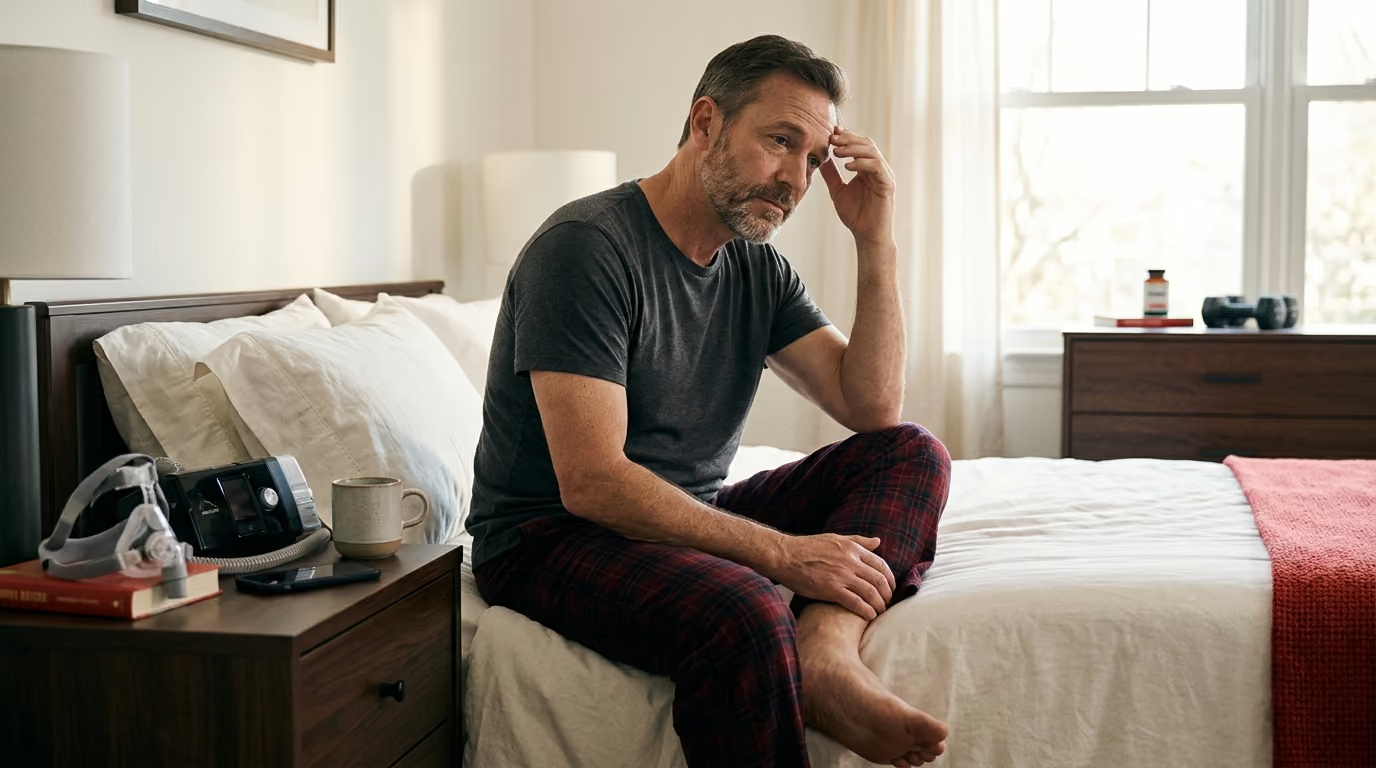
A 52-year-old man wakes up feeling just as exhausted as when his head hit the pillow. He struggles through his afternoon work, watches his bench press numbers slide in the gym, and notices that his sex drive has cooled off significantly. He requests a blood test, sees a total testosterone number well below the reference range, and assumes a hormone replacement prescription will fix everything.
Yet six months into hormone therapy, his morning exhaustion remains unchanged, his blood pressure creeps upward, and his partner still complains about his loud snoring and sudden gasping during the night.
This scenario plays out constantly among men in midlife and beyond. When energy drops and physical drive fades, testosterone is often the first suspect. Disrupted nighttime breathing is frequently the actual engine behind those changes.
Obstructive sleep apnea and hormone decline frequently overlap, creating a complex web of shared symptoms. Understanding how these two conditions interact is critical before making lasting medical choices.
Understanding the Connection Between Disrupted Breathing and Hormones
Current clinical evidence demonstrates that obstructive sleep apnea (OSA) and testosterone production share a complex, bidirectional relationship. When breathing repeatedly stops during sleep, the body undergoes severe physiological stress. This stress alters endocrine function, metabolic balance, and vascular tone.
The primary physical event in OSA is the repetitive collapse or narrowing of the upper airway. This obstruction triggers two distinct physiological insults. First, the body experiences intermittent hypoxemia, which is a repeated drop in blood oxygen levels followed by reoxygenation. Second, the brain experiences frequent micro-arousals to restart breathing, which shatters normal sleep continuity.
Testosterone production in men is deeply dependent on consolidated, uninterrupted rest. Under normal conditions, circulating testosterone levels rise during the night, reaching their peak during the first unbroken blocks of deep sleep and rapid eye movement (REM) stages. When sleep is broken apart by dozens of airway obstructions every hour, this nocturnal rise is blunted. Research examining men with sleep apnea shows that while their basic circadian rhythm remains intact, the expected nocturnal surge in circulating testosterone is significantly suppressed.
The strength of the association between sleep apnea and lower testosterone is well documented across observational studies. However, the evidence also shows that this is not a simple one-way cause. Obesity, advancing age, type 2 diabetes, and cardiovascular disease frequently run alongside both conditions. Adipose tissue contains the aromatase enzyme, which converts androgens into estrogens, while also releasing inflammatory cytokines that suppress hypothalamic signaling.
Because of these overlapping factors, clinical researchers must carefully distinguish between an association and direct causation. Sleep apnea is consistently associated with lower androgen levels, but it cannot be viewed as the sole isolated cause of hormone deficiency in every individual.
Sleep restriction studies in healthy human volunteers offer additional nuance. Some laboratory trials show that severe total sleep deprivation reduces daytime testosterone. Other controlled studies of healthy young men undergoing partial sleep restriction found that cutting sleep duration across several consecutive nights did not produce an immediate, drastic drop in circulating androgens.
This difference highlights an important biological reality. Obstructive sleep apnea is far more damaging than simple short sleep duration. The combination of chronic oxygen desaturation, repetitive carbon dioxide retention, and surges in autonomic stress creates an endocrine disruption that goes far beyond simply going to bed late.
Why Upper Airway and Endocrine Function Shift After 45
The human body undergoes predictable physiological changes during midlife that alter both airway stability and endocrine output. These shifts do not mean normal aging is a pathology. Rather, they represent mechanical and hormonal adaptations that change how the body handles rest and recovery.
Structural Changes in the Upper Airway
As men pass age 45, the muscular tone of the pharynx naturally decreases during sleep. The upper airway is essentially a flexible tube surrounded by soft tissues, muscles, and fat deposits. During wakefulness, neuromuscular reflexes keep the airway open. During sleep, muscle tone relaxes across the entire body.
In midlife, several physical mechanisms reduce the stability of this airway tube:
- Loss of tissue elasticity: The soft palate, uvula, and pharyngeal walls lose structural firmness, making them more prone to vibration and collapse under negative airway pressure.
- Redistribution of body mass: Even when total scale weight remains stable, men often experience a gradual shift toward central fat storage and increased soft tissue deposition in the neck and base of the tongue.
- Reduced pharyngeal reflex sensitivity: The sensory receptors that detect negative pressure and signal the airway dilator muscles to stiffen become slower to respond during deep sleep.
- Bony and cartilage changes: Normal age-related changes in the cervical spine and jaw alignment can narrow the internal dimensions of the retroglossal space.
When a man breathes in during sleep, the diaphragm creates negative pressure to pull air into the lungs. If the surrounding pharyngeal muscles are too relaxed or the airway passage is anatomically narrowed, that negative suction pulls the airway walls inward, causing partial restriction (hypopnea) or complete blockage (apnea).
Shifts in Hypothalamic and Testicular Signaling
Alongside changes in the airway, the male endocrine axis undergoes a gradual transition after age 40. Total testosterone typically declines by roughly one percent per year, while sex hormone-binding globulin (SHBG) gradually increases. This rise in SHBG means that free, biologically active testosterone declines at a slightly faster rate than total hormone numbers indicate.
This age-related transition involves both central and peripheral mechanisms:
- Pituitary responsiveness: The pituitary gland releases luteinizing hormone (LH) in rhythmic pulses to signal the testes to produce testosterone. With age, the amplitude and regularity of these pulses can change.
- Leydig cell capacity: The Leydig cells within the testes show a modest reduction in total volume and responsiveness to LH stimulation.
- Sensitivity to metabolic stress: The hypothalamic-pituitary-gonadal (HPG) axis becomes more vulnerable to external insults, such as chronic systemic inflammation, insulin resistance, and elevated nighttime cortisol.
When recurrent nocturnal hypoxemia and sleep fragmentation are added on top of these natural transitions, the central signaling system suffers. The brain interprets repetitive oxygen drops and sudden awakenings as an ongoing physiological crisis. In response, it increases sympathetic nervous system tone and shifts resources away from reproductive hormone signaling.
The Overlapping Symptoms of Sleep Apnea and Low Testosterone
Because sleep-disordered breathing and androgen deficiency influence many of the same biological systems, their clinical presentations look remarkably similar. A man struggling with untreated sleep apnea often presents with the exact complaints typically blamed on low testosterone.
- THE OVERLAPPING SYMPTOM PROFILE
- SYMPTOMS COMMON TO BOTH CONDITIONS
- Chronic daytime fatigue and brain fog
- Reduced physical stamina and slower exercise recovery
- Decreased libido and erectile difficulties
- Increased abdominal fat and difficulty losing weight
- Irritability, low motivation, and depressed mood
- DISTINGUISHING SLEEP APNEA CLUES
- Loud, chronic snoring or witnessed pauses in breathing
- Waking with dry mouth, sore throat, or morning headaches
- Sudden nighttime gasping or choking sensations
- Nocturia (waking multiple times per night to urinate)
- Falling asleep involuntarily while reading or driving
Fatigue Versus Excessive Sleepiness
A critical distinction exists between general fatigue and true sleepiness. Fatigue represents a lack of physical energy, low motivation, or a feeling of muscular exhaustion during normal daily tasks. Sleepiness is an increased propensity to fall asleep involuntarily in passive situations.
Men with low testosterone frequently report physical fatigue, poor gym stamina, and a lack of drive, but they do not necessarily nod off during a red light or an afternoon meeting. Men with moderate to severe sleep apnea often experience both debilitating fatigue and dangerous daytime sleepiness. Distinguishing between these two sensations provides valuable guidance during a medical assessment.
Mood, Focus, and Daily Energy
Sleep fragmentation impairs the prefrontal cortex, which governs executive function, short-term memory, and emotional regulation. When breathing events pull a man out of deep sleep 20 to 40 times per hour, the brain never completes the restorative cycles required for cognitive maintenance.
The resulting brain fog, forgetfulness, and shortened temper are easily mistaken for midlife mood changes or hormone decline. Restoring continuous oxygenation and consolidated sleep often clears these cognitive symptoms far more effectively than hormone adjustments alone.
Physical Stamina and Training Recovery
Both conditions exert a heavy toll on athletic performance and body composition. Testosterone supports protein synthesis, red blood cell production, and neuromuscular efficiency. When a man trains hard, his body depends on nighttime growth hormone surges and uninterrupted slow-wave sleep to repair muscle fibers and replenish glycogen stores.
Untreated sleep apnea sabotages this recovery pathway. Even if a man maintains consistent effort in the gym, elevated nighttime cortisol and chronic oxygen deficits impair tissue repair. He may experience lingering joint soreness, prolonged muscle aches, and an inability to build or maintain lean muscle mass. Supporting rest and physical recovery requires addressing the quality of nightly oxygen intake alongside training programming.
Erectile Function, Vascular Health, and Sleep Fragmentation
Erectile dysfunction (ED) is one of the most common reasons men over 45 seek hormone testing. When a man experiences softer erections or a loss of morning tumescence, he often assumes his testosterone levels have fallen. However, sexual function is fundamentally a neurovascular event that relies heavily on healthy endothelial function and stable oxygen levels.
The Prevalence of Sexual Dysfunction in Sleep Apnea
Clinical studies reveal a strikingly high rate of erectile difficulties among men diagnosed with obstructive sleep apnea. Research indicates that roughly 47% to over 70% of men with sleep-disordered breathing experience some degree of erectile dysfunction, with the highest rates occurring in those with severe airway obstruction.
This dysfunction occurs through multiple converging biological pathways:
- Endothelial damage: Intermittent nocturnal hypoxemia generates oxidative stress, damaging the delicate inner lining of the blood vessels. This damage impairs the production of nitric oxide, the primary chemical messenger responsible for relaxing penile smooth muscle to allow blood flow.
- Sympathetic overdrive: Each airway obstruction triggers a burst of adrenaline and noradrenaline. This chronic sympathetic state keeps peripheral blood vessels constricted, directly opposing the parasympathetic signals needed to achieve and maintain an erection.
- Loss of sleep-related erections: Healthy men naturally experience several spontaneous erections during REM sleep. These nocturnal erections deliver oxygen-rich blood to the cavernosal tissue, preserving tissue elasticity. Severe sleep fragmentation eliminates normal REM cycles, starving these tissues of nighttime oxygenation.
- Psychological and energy deficits: Chronic sleep debt dampens sexual desire and increases performance anxiety, creating a secondary psychological barrier to sexual function.
Why Hormone Levels Do Not Tell the Entire Story
A man can have optimal circulating testosterone levels and still suffer from severe erectile dysfunction if his vascular system is compromised by untreated sleep apnea. Conversely, a man with low total testosterone might maintain reasonable sexual function if his vascular endothelium is healthy and his autonomic nervous system is balanced.
Treatment trials with continuous positive airway pressure (CPAP) illustrate this independence. In several clinical studies, men using CPAP showed significant improvements in validated erectile function scores without experiencing any meaningful rise in their total blood testosterone numbers.
Their sexual performance improved because their blood vessels could produce nitric oxide again, their nighttime oxygenation was restored, and their daytime exhaustion lifted. This demonstrates that improving sexual health does not always require hormone manipulation.
Blood Pressure and Cardiovascular Strain During Sleep
One of the most dangerous consequences of obstructive sleep apnea in men over 45 is its destructive effect on blood pressure regulation and long-term cardiovascular health. Sleep should naturally be a period of cardiovascular rest, marked by a healthy drop in both systolic and diastolic blood pressure known as nocturnal dipping.
- NOCTURNAL CARDIOVASCULAR CASCADE
- 1. AIRWAY OBSTRUCTION
- Soft tissues collapse, cutting off airflow into the lungs.
- 2. HYPOXIC STRESS & CARBON DIOXIDE BUILDUP
- Blood oxygen saturation drops; chemoreceptors sound the alarm.
- 3. AUTONOMIC PANIC & MICRO-AROUSAL
- Sudden surge of adrenaline awakens the brain to open the airway.
- 4. ACUTE BLOOD PRESSURE SPIKE
- Vessels constrict violently, driving nocturnal blood pressure high.
- 5. DAYTIME SYSTEMIC HYPERTENSION
- Repeated nighttime surges cause permanent arterial stiffness.
The Mechanism of Nocturnal Blood Pressure Surges
When the airway collapses, the lungs cannot draw in fresh air, yet the chest wall continues to expand against the closed throat. This struggle creates massive negative pressure swings inside the chest cavity, stretching the heart chambers and increasing cardiac workload.
As blood oxygen drops and carbon dioxide rises, the central nervous system triggers a panic response. Adrenaline floods the bloodstream, the heart beats faster, and peripheral arteries constrict violently to preserve blood flow to the brain. Instead of resting, the cardiovascular system endures dozens of blood pressure spikes every hour of the night.
Over months and years, these nightly spikes alter the body's baseline physiology:
- Non-dipping patterns: The natural nocturnal blood pressure drop disappears, exposing the brain, kidneys, and heart to continuous high pressure around the clock.
- Vascular remodeling: Arterial walls thicken and lose their natural compliance, leading to permanent arterial stiffness.
- Renin-angiotensin-aldosterone activation: The kidneys respond to intermittent oxygen deprivation by retaining sodium and water, further driving up baseline blood pressure.
- Resistant hypertension: Sleep apnea is the leading secondary cause of hypertension that fails to respond to multiple prescription medications.
Population studies show a direct dose-dependent relationship between sleep apnea severity and hypertension risk. Mild sleep apnea doubles the risk of developing high blood pressure, while moderate to severe disease nearly triples that risk compared to individuals with normal nighttime breathing. Managing this vascular strain is fundamental to metabolic health and body composition.
Step-by-Step Evaluation for Men Over 45
When a man over 45 presents with persistent fatigue, declining strength, low libido, or rising blood pressure, jumping straight to hormone therapy is a clinical mistake. A structured, evidence-based diagnostic process ensures that root causes are identified rather than masked.
- CLINICAL EVALUATION DECISION FRAMEWORK
- STEP 1: SYMPTOM & RISK MAPPING
- Screen for snoring, witnessed apneas, nocturia, and hypertension.
- STEP 2: OBJECTIVE SLEEP TESTING
- Perform home sleep apnea testing or formal in-lab polysomnography.
- STEP 3: ACCURATE ENDOCRINE PROFILE
- Draw morning fasting total testosterone, free T, SHBG, and LH twice.
- STEP 4: CARDIOVASCULAR & METABOLIC BASELINE
- Check blood pressure, lipid panels, HbA1c, and baseline hematocrit.
Step 1: Screening for Sleep-Disordered Breathing
The evaluation begins with a thorough clinical history. The clinician and patient must look beyond simple scale weight or body mass index. While obesity is a major risk factor, many lean, athletic men over 45 develop sleep apnea due to thick neck musculature, narrow dental arches, a recessed jaw, or enlarged soft palates.
Key screening questions include:
- Has anyone ever noticed that you stop breathing, snore loudly, or gasp during the night?
- Do you wake up with a parched mouth, a sore throat, or a dull headache?
- How many times do you get out of bed to urinate between falling asleep and morning?
- Do you feel unrefreshed even after spending seven or eight hours in bed?
- Is your blood pressure difficult to manage despite lifestyle efforts or medication?
Step 2: Selecting the Right Sleep Study
Clinical guidelines from the American Academy of Sleep Medicine (AASM) emphasize that screening questionnaires cannot diagnose sleep apnea on their own. An objective sleep study is mandatory.
Two primary testing methods exist:
- Home Sleep Apnea Testing (HSAT): A portable monitor worn at home that tracks breathing effort, airflow, oxygen saturation, and heart rate. It is practical and highly accurate for uncomplicated adult men showing clear signs of moderate to severe obstructive sleep apnea.
- In-Laboratory Polysomnography (PSG): An overnight study conducted in a specialized sleep clinic. It records brain waves (EEG), eye movements, muscle activity, heart rhythm, leg movements, airflow, and blood oxygen.
Polysomnography is the gold standard and is specifically recommended if a man has significant underlying heart or lung disease, suspected neuromuscular weakness, severe chronic insomnia, or if a home sleep test returns a negative result despite strong symptoms.
The severity of sleep apnea is primarily graded by the Apnea-Hypopnea Index (AHI) or Respiratory Event Index (REI), which measures the average number of partial or complete breathing pauses per hour:
- Mild: 5 to 14.9 events per hour.
- Moderate: 15 to 29.9 events per hour.
- Severe: 30 or more events per hour.
Clinical risk is also heavily shaped by the depth and total duration of oxygen desaturation, the frequency of autonomic arousals, and how severely breathing deteriorates during REM sleep.
Step 3: Measuring Testosterone Accurately
Endocrine society guidelines across the globe stress that testosterone deficiency must never be diagnosed from a single blood draw. Testosterone levels fluctuate significantly based on stress, recent meals, illness, and the time of day.
Proper testing requires strict adherence to laboratory standards:
- Timing: Blood must be drawn early in the morning, ideally before 10:00 or 11:00 a.m. when circulating levels are at their physiological peak.
- Fasting: The blood draw must be performed in a fasting state, as glucose consumption temporarily suppresses circulating testosterone levels.
- Confirmation: Any low result must be confirmed with a second early-morning fasting test performed on a separate day.
- Comprehensive markers: The panel should measure total testosterone, sex hormone-binding globulin (SHBG), calculated free testosterone, luteinizing hormone (LH), follicle-stimulating hormone (FSH), and prolactin.
Checking LH and FSH helps distinguish between primary testicular changes (elevated LH) and secondary central signaling suppression (low or inappropriately normal LH), which is common in chronic sleep disruption and metabolic stress. Exploring male vitality and hormone balance requires understanding these laboratory distinctions.
Treatment Considerations and Navigating Hormone Therapy
When a man is diagnosed with both sleep apnea and low testosterone, determining the correct treatment sequence is critical. Initiating hormone therapy while severe sleep-disordered breathing remains untreated introduces genuine clinical risks.
Why Untreated Sleep Apnea Complicates Hormone Therapy
Major clinical guidelines, including those from the Endocrine Society, advise caution or recommend deferring testosterone replacement therapy in men with untreated, severe obstructive sleep apnea. This recommendation is rooted in clear physiological data.
Multiple randomized controlled trials have demonstrated that introducing exogenous testosterone can worsen sleep-disordered breathing and deepen nocturnal oxygen desaturation during the first several weeks of treatment. In studies involving men with severe sleep apnea, testosterone therapy increased the frequency of oxygen drops and significantly lengthened the amount of time spent with blood oxygen saturation below 90%.
The exact biological mechanisms behind this interaction include:
- Central ventilatory drive changes: Testosterone alters the brain's central chemoreceptors, modifying how the brain responds to carbon dioxide buildup and oxygen drops during sleep.
- Upper airway neuromuscular dynamics: Androgens can influence the tone and metabolic behavior of the pharyngeal dilator muscles.
- Metabolic and soft tissue shifts: Hormone-induced fluid retention can cause subtle swelling in upper airway tissues, narrowing an already compromised passage.
Starting testosterone before resolving sleep apnea creates a frustrating diagnostic trap. The patient receives hormone therapy hoping for renewed energy, but the treatment worsens his nocturnal breathing disruptions.
His sleep fragmentation deepens, his daytime exhaustion persists, his blood pressure climbs, and his hematocrit (red blood cell concentration) rises dangerously due to the combined effect of testosterone and chronic nocturnal hypoxia.
The Correct Clinical Sequence
The safest, most effective approach is to treat the breathing disorder first. Once airway stability and nocturnal oxygenation are restored, the patient's symptoms and hormone profile should be re-evaluated under stable conditions.
- OPTIMAL CARE PATHWAY FOR MEN OVER 45
- PHASE 1: STABILIZE NIGHTTIME BREATHING
- Initiate and optimize CPAP, oral appliance, or targeted therapy.
- PHASE 2: ESTABLISH TREATMENT ADHERENCE
- Ensure consistent therapy use (greater than 4-6 hours per night).
- PHASE 3: REASSESS SYMPTOMS & HORMONES
- Repeat morning fasting testosterone testing after 8 to 12 weeks.
- PHASE 4: TARGETED HORMONE DECISION
- Consider TRT only if biochemical deficiency and symptoms persist.
Primary Treatment Options for Sleep Apnea
Treating obstructive sleep apnea mechanically splints the airway open, eliminating respiratory pauses and restoring healthy sleep architecture.
- Continuous Positive Airway Pressure (CPAP): The most effective, gold-standard therapy. A bedside device delivers pressurized ambient air through a mask, physically preventing airway collapse. Modern devices automatically adjust pressures throughout the night.
- Oral Appliance Therapy: A custom-fitted dental device made by a sleep dentist that gently shifts the lower jaw forward during sleep. This advances the base of the tongue and expands the retroglossal airway. It is highly effective for mild to moderate OSA or for men who cannot tolerate CPAP.
- Positional Therapy: For men whose breathing events occur almost exclusively while sleeping on their back (supine), positional devices prevent supine sleep, keeping the airway clearer.
- Upper Airway Stimulation: An implanted device that delivers mild electrical pulses to the hypoglossal nerve during sleep, moving the tongue forward with each breath. It is approved for moderate to severe cases meeting specific anatomical criteria.
Therapy adherence is the key to success. Owning a CPAP machine that sits in a closet or is used for only two hours a night provides zero clinical benefit. Overcoming common hurdles such as mask leaks, nasal congestion, and pressure discomfort through proper equipment fitting is essential.
Illustrative Clinical Models
Examining how these diagnostic patterns unfold in clinical practice highlights why personalized evaluation matters. The following examples represent standard clinical models designed to illustrate decision-making pathways.
Model A: The Exhausted Executive with Hypertension
A 56-year-old executive reports severe mid-afternoon fatigue, brain fog, and gradual erectile dysfunction over two years. His physician previously noted elevated blood pressure that required two separate medications to control. A basic morning blood test shows a total testosterone level of 240 ng/dL.
Instead of prescribing testosterone immediately, his clinician orders a home sleep apnea test based on his history of loud snoring and morning dry mouth. The study reveals severe sleep apnea with an AHI of 38 events per hour and frequent oxygen drops below 85%.
The patient begins CPAP therapy. Over the next three months, his mask adherence reaches six hours per night. His morning headaches resolve, his daytime brain fog clears, and his home blood pressure readings drop enough that his physician reduces his medication dosage.
A repeat fasting hormone panel drawn at 12 weeks shows his total testosterone naturally recovered to 410 ng/dL without hormone therapy. His erectile function significantly improves due to restored endothelial nitric oxide production and uninterrupted sleep.
Model B: Persistent Hypogonadism Despite Airway Correction
A 50-year-old strength enthusiast notices poor recovery from heavy lifting sessions, loss of libido, and a drop in overall physical drive. He is lean and active, but an in-lab sleep study ordered after his partner witnessed breathing pauses reveals moderate obstructive sleep apnea with an AHI of 22 events per hour. His initial morning total testosterone is 190 ng/dL, with low LH.
The patient adapts easily to CPAP therapy, using it consistently every night. Within eight weeks, his daytime alertness improves, but his libido remains completely absent and his muscle recovery remains poor.
Repeat morning fasting blood tests confirm that his total testosterone remains low at 210 ng/dL, with an abnormally low free testosterone level. Because his sleep apnea is now fully controlled and monitored, his physician safely initiates testosterone replacement therapy.
Because his nighttime airway is stabilized by CPAP, the hormone therapy does not worsen his breathing or trigger severe hypoxemia. His hematocrit is monitored regularly, and his energy and body composition steadily improve. He maintains his active lifestyle while prioritizing long-term strength and muscle preservation.
Common Mistakes and Misreadings About Sleep and Hormones
Misinformation regarding hormones and sleep health is widespread. Navigating these overlapping conditions requires separating scientific fact from common wellness myths.
Claim 1: Low Testosterone Is the Primary Cause of All Midlife Fatigue
Fatigue is a non-specific symptom that can stem from dozens of biological sources. While low androgens can reduce physical drive, untreated sleep apnea, thyroid dysfunction, iron deficiency, chronic systemic inflammation, and metabolic disease are equally common culprits.
Assuming that fatigue always points to a hormone deficit leads many men to pursue hormone therapy while leaving serious underlying breathing and cardiovascular disorders completely unaddressed.
Claim 2: A Normal Weight Rules Out Obstructive Sleep Apnea
Excess adipose tissue around the neck is a major risk factor, but it is far from the only one. Craniofacial anatomy plays an enormous role in airway stability.
Men with a naturally narrow palate, a recessed lower jaw, a high-arched palate, enlarged tonsillar tissue, or chronic nasal congestion frequently suffer from severe sleep apnea despite having low body fat and a muscular build. Airway evaluation should be guided by breathing symptoms, not scale weight alone.
Claim 3: CPAP Therapy Will Always Restore Testosterone to Normal Levels
Restoring healthy nighttime breathing eliminates the hypoxic suppression of the hypothalamic-pituitary axis, but it does not guarantee a dramatic hormone increase for every man.
If a man has underlying primary testicular changes, advanced age-related Leydig cell reduction, or irreversible pituitary dysfunction, his testosterone numbers may remain low even after his sleep apnea is cured. Treating sleep apnea optimizes the body's natural baseline, allowing clinicians to see whether true hormone deficiency actually exists.
Claim 4: Men with Sleep Apnea Can Never Safely Use Testosterone Therapy
Guidelines caution against starting testosterone in men with untreated, severe sleep apnea. This is not a permanent, blanket ban for every man with an airway issue.
When sleep apnea is properly diagnosed, mechanically controlled with CPAP or oral appliances, and monitored by a medical team, testosterone therapy can be administered safely when clinically indicated. The rule is to treat the breathing disorder first, not to deny hormone care indefinitely.
Where the Research Remains Incomplete
Scientific honesty requires acknowledging the boundaries of current medical literature. While the link between disrupted breathing, vascular stress, and androgen regulation is strong, several key areas continue to show mixed or incomplete data.
First, clinical trials measuring hormone changes following CPAP therapy have produced conflicting results. Some published studies show modest increases in total testosterone and luteinizing hormone after several months of consistent CPAP use.
Other well-controlled trials show marked improvements in erectile scores, daytime alertness, and blood pressure without any measurable change in circulating total or free testosterone. The degree to which hormone levels recover likely depends on individual factors such as age, baseline testicular health, obesity, and the duration of the sleep disorder before treatment began.
Second, the long-term cardiovascular outcomes of CPAP therapy remain actively debated. Observational studies consistently link CPAP use to lower rates of heart attack, stroke, and cardiovascular death.
However, large randomized controlled trials have often struggled to show massive reductions in secondary cardiovascular events in older populations, largely due to poor patient compliance with CPAP machines during the trials. Achieving true cardiovascular protection appears to require consistent device use for at least four to six hours every single night.
Finally, the precise mechanism explaining why exogenous testosterone worsens breathing events during the early weeks of treatment is not fully mapped. Research remains divided on whether this effect is driven by alterations in central brainstem sensitivity to carbon dioxide, changes in upper airway tissue hydration, or shifts in muscle tone.
Long-term studies tracking men on stable hormone therapy over multiple years show that these early breathing disruptions often stabilize, but high-quality data in diverse populations remain limited. Exploring modern healthy aging strategies for men requires recognizing where evidence is rock-solid and where clinical nuance is required.
Key Takeaways for Men Over 45
For men over 45, sleep apnea and low testosterone should be viewed as overlapping, interacting health challenges rather than separate problems. Untreated sleep-disordered breathing suppresses natural nighttime hormone release, damages vascular health, drives up blood pressure, and produces severe daytime exhaustion.
Before committing to lifelong hormone therapy, every man presenting with low energy, sexual changes, or declining physical performance should undergo a comprehensive evaluation that includes objective sleep testing and confirmed, morning fasting hormone blood draws.
Restoring clear nighttime breathing stabilizes cardiovascular health, protects the brain, and establishes the clear baseline needed to make smart, safe endocrine decisions for the decades ahead.
When to Revisit This Resource
Revisit this guide if you notice a gradual return of morning exhaustion, if your blood pressure begins to climb despite clean lifestyle habits, if your partner reports new snoring or gasping patterns, or before making any new decisions regarding hormone therapy. Staying proactive with objective testing ensures your health strategy remains grounded in solid evidence.
Sources
- Sleep restriction and testosterone concentrations in young healthy ...
- Decreased Pituitary-Gonadal Secretion in Men with Obstructive Sleep Apnea
- Obstructive Sleep Apnea and Testosterone Therapy
- Obstructive Sleep Apnea and Testosterone Deficiency - PMC
- Obstructive Sleep Apnea and Hypertension: Updates to a Critical ...
- The relationship between sleep disorders and testosterone - PubMed
Stay sharp
Get the word
Join our newsletter for the best writing advice and stories from the field.