Cognitive Behavioral Therapy for Insomnia Shows Biological Aging Impact in Older Adults
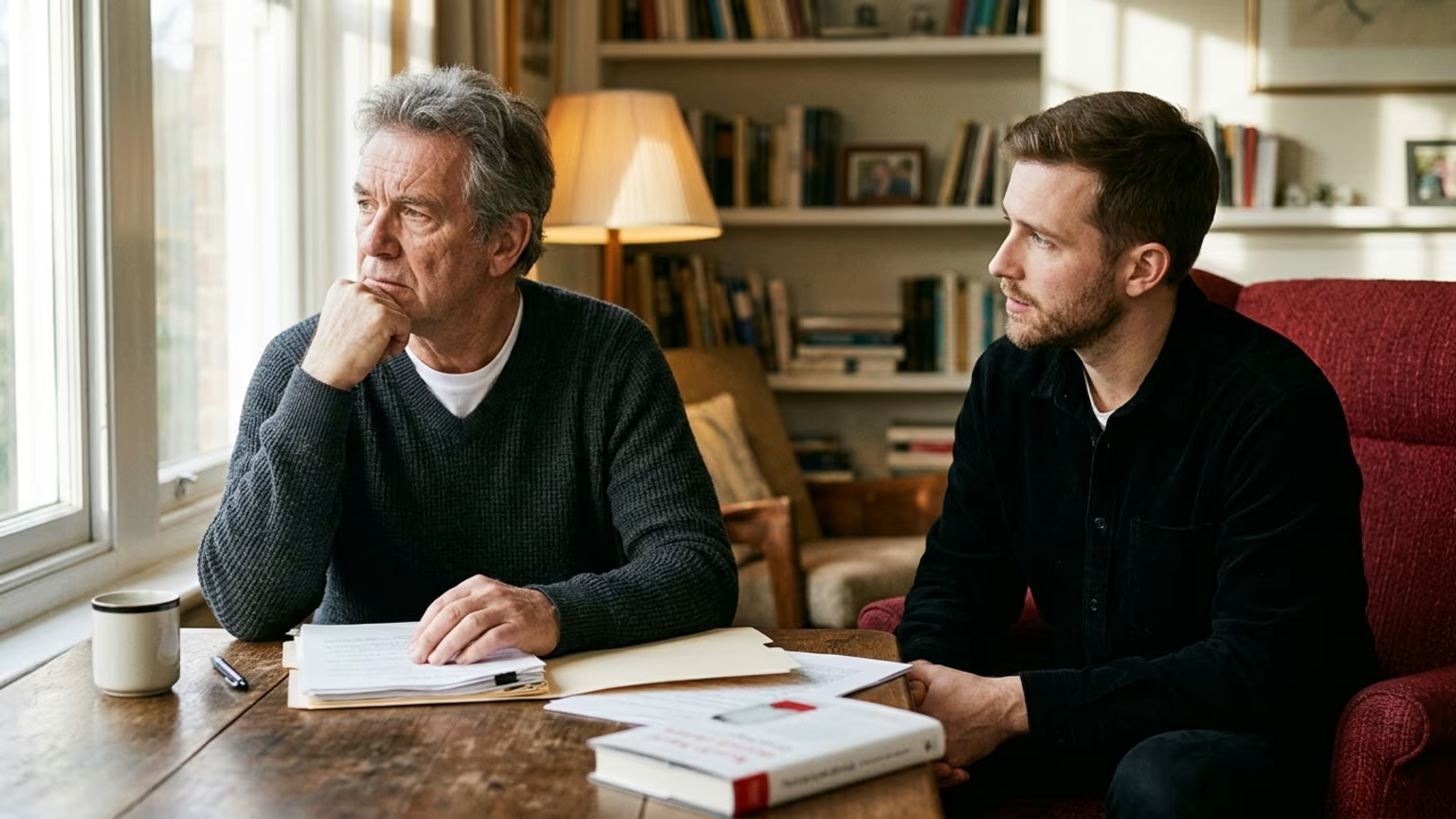
In September 2026, UCLA Health researchers reported the results of a randomized controlled trial showing that cognitive behavioral therapy for insomnia affects both sleep remission and biological aging in older adults. The trial compared a targeted behavioral intervention against standard sleep education over an extended follow-up period. This research adds a cellular aging component to the clinical question of whether behavioral therapy improves actual sleep symptoms.
How the Researchers Tested Sleep Interventions
To understand how sleep treatment impacts the body over time, the research team recruited nearly 100 older adults diagnosed with clinical insomnia. The investigators assigned these participants to one of two distinct groups to compare therapeutic approaches. One group received cognitive behavioral therapy for insomnia. The other group completed a sleep-education therapy program as a control condition.
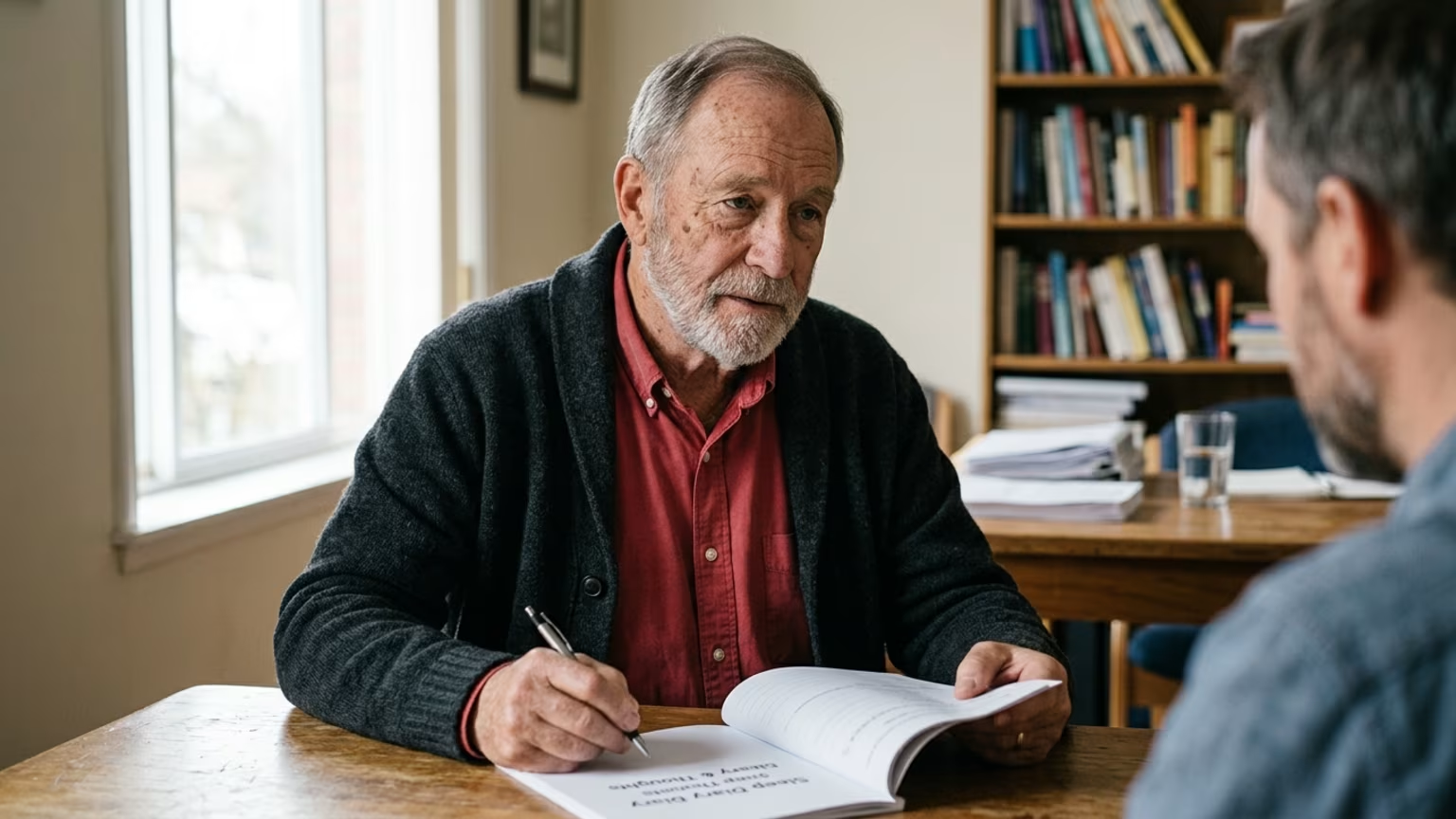
The active intervention lasted for eight weeks. The cognitive behavioral approach functioned as a structured, multi-session treatment targeting the specific thoughts and behaviors that perpetuate poor sleep. In comparison, the sleep education group only received general information about healthy sleep habits. They did not receive the targeted behavioral techniques utilized by the active therapy cohort.
Researchers wanted to measure physiological changes rather than relying strictly on subjective symptom reports. To achieve this objective, they collected blood samples from participants before the treatment began. They then gathered additional samples during follow-up visits over the next two years.
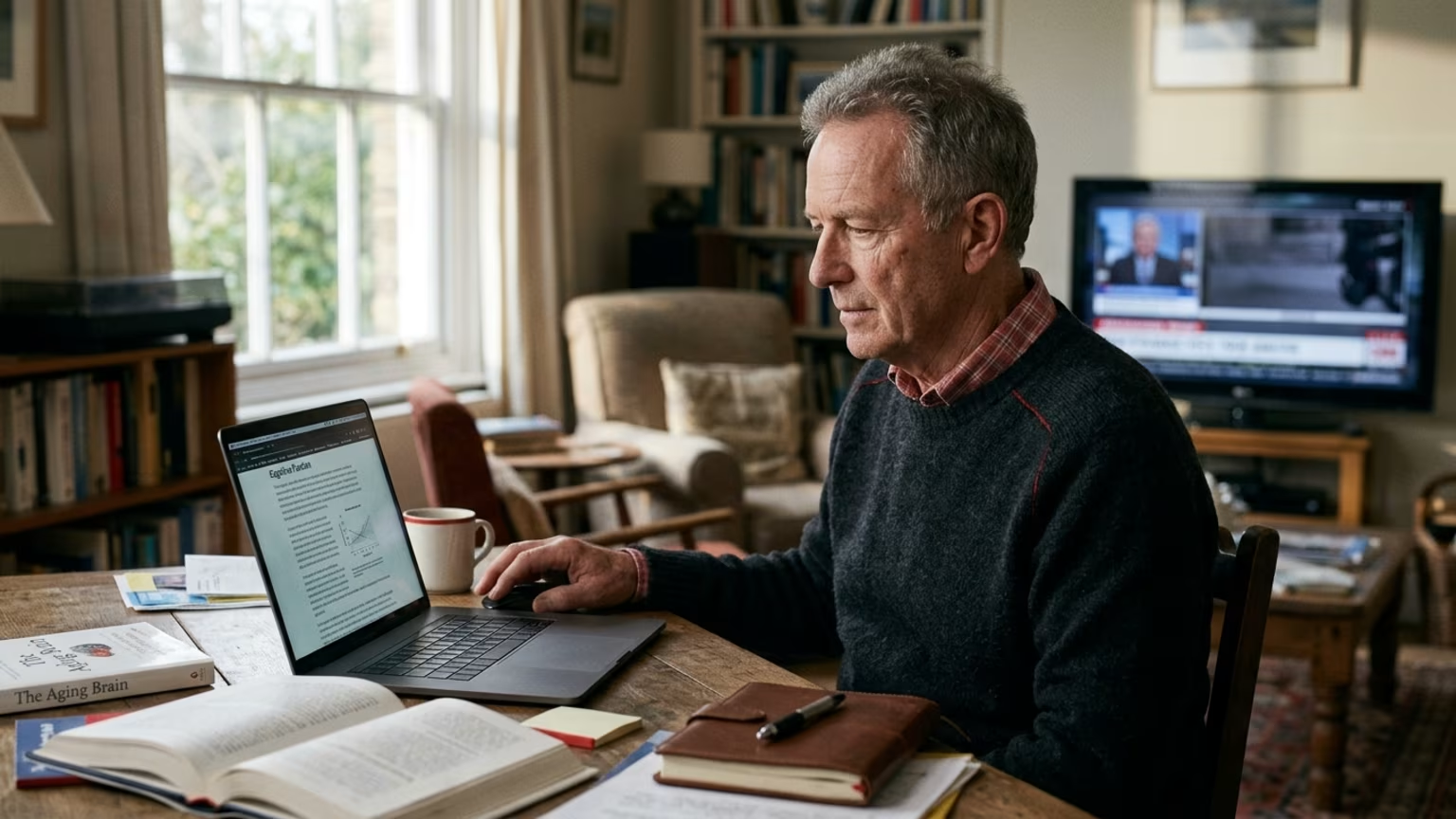
The team analyzed DNA methylation in these blood samples using three distinct epigenetic clocks. These biological measures included DunedinPACE, GrimAge and PC-PhenoAge. The overarching goal was to track the pace of biological aging in response to the different sleep treatments over the two-year observation window. The reported follow-up design suggests the researchers were interested in whether biological changes could persist well beyond the eight-week treatment period.
Primary Clinical and Biological Outcomes
The clinical results showed a clear advantage for the structured behavioral intervention over basic education. Participants receiving cognitive behavioral therapy had a nearly three-fold greater likelihood of insomnia remission than those receiving sleep education. This highlights the substantial difference between learning general sleep facts and actively modifying ingrained sleep behaviors.
Beyond basic symptom relief, the blood analysis revealed a significant physiological shift. The cognitive behavioral therapy group demonstrated a significantly slower pace of biological aging according to the DunedinPACE clock. The researchers tested three specific aging clocks to gather these results. However, the reported significant aging outcome applied specifically to DunedinPACE.
The available data does not state that GrimAge or PC-PhenoAge produced statistically significant changes in the trial. Judith Carroll, the lead author and an associate professor of psychiatry at UCLA Health, noted the broader implications of these results. She stated that the findings suggest insomnia may be a modifiable risk factor for how the body ages. This observation frames clinical sleep disorders as a core physiological burden rather than only an issue of daily comfort.
Carroll compared effective sleep treatment with established behaviors like physical activity and dietary management. She noted that the findings point to sleep as another fundamental behavior worth targeting for long-term health. For men prioritizing long-term cognitive health, treating chronic sleep disruption actively may support better physiological resilience.
Contextualizing these findings is critical because of the prevalence of sleep disorders among older demographics. The source reports that between 10% and 25% of adults over age 65 in the United States have clinical insomnia. This makes the condition a widespread challenge for aging populations. The substantial remission rate from structured therapy indicates that clinical intervention is highly effective.
For men managing heavy physical loads, consistent rest directly dictates physical recovery and performance. Persistent insomnia can severely interfere with training recovery and concentration. It also negatively impacts mood and daily energy levels while disrupting adherence to health routines. Readers evaluating biological age testing methods should note that the trial examined the pace of biological aging rather than simply asking participants if they felt younger.
Why Context Matters for These Early Findings
While the biological aging markers are notable, the researchers documented several structural limitations in their trial. The study was conducted at a single site in Los Angeles, California. This geographic limitation reduces confidence that the result will automatically generalize to all older adults, ethnic groups, races or health profiles. The authors stated that the single-site design requires confirmation in larger healthcare settings.
The study authors clearly called for a larger, multisite study to validate these early biomarker findings. They noted that future research needs more diverse participants by age, ethnicity and race. The available report lacks exact remission percentages, confidence intervals and the numerical difference between the treatment groups. The exact size of the biological-aging effect is not provided in the available coverage.
Additionally, the researchers stated that more work is needed to determine whether treatment response differs by sex. For mature men reading these results, it is critical to recognize that male-specific findings are not explicitly detailed in the report. The source does not provide the male participant count, sex-specific remission results or sex-specific aging clock findings.
The available report does not establish that insomnia causes accelerated biological aging directly. It only reports an association between the specific therapy, greater remission and a slower aging biomarker in this trial. A slower result on the DunedinPACE clock remains a biomarker finding. It is not definitive proof that structured sleep therapy adds years to life or prevents specific diseases.
The findings do not directly prove prevention of cardiovascular disease, diabetes, neurodegeneration or dementia. Men evaluating their strategies for resilient aging should view these epigenetic clocks as early indicators rather than absolute guarantees. The trial also does not provide outcomes for strength and body composition. Researchers did not report data on testosterone changes or exercise performance.
The available evidence does not establish that cognitive behavioral therapy is universally superior to other interventions for slowing biological aging. The report does not claim it outperforms medication or regular physical exercise. It also has not been proven superior to relaxation training or digital sleep programs for these specific biomarkers.
Practical Considerations for Men Managing Insomnia
Men with persistent insomnia should view cognitive behavioral therapy as a structured clinical treatment rather than a collection of generic sleep tips. The intervention described in the report focuses heavily on the thoughts and behaviors that maintain insomnia over time. It is generally delivered over multiple structured sessions with a trained clinician.
A reasonable discussion with a physician or qualified sleep clinician may include whether symptoms meet the strict definition of chronic insomnia. It may also cover whether this specific behavioral therapy is appropriate for the individual patient. Other related conditions often require careful assessment alongside sleep complaints. These other conditions include sleep apnea and restless legs syndrome. Depression and anxiety also require evaluation alongside pain or specific medication effects.
The supplied source does not report that these secondary conditions were tested or excluded in detail during the UCLA trial. Therefore, they should not be treated as findings or variables strictly managed in this specific research. However, for men who lift weights or play sport, the practical benefit remains entirely clear. Improved sleep function supports potentially better consistency with physical recovery and daily activity.
Readers should treat the biological-aging finding as a promising but preliminary signal for healthy aging. The trial supports further research into whether improving insomnia can influence aging-related biomarkers. It does not support an exaggerated claim that cognitive behavioral therapy serves as an anti-aging cure.
The intervention works by changing ingrained behavioral patterns rather than applying a quick external fix. This clinical distinction matters for mature men trying to maintain their energy and focus. While basic sleep education is often presented as a solution, the trial found a substantially higher likelihood of remission in the active therapy group. Standard advice like avoiding caffeine is rarely enough to treat true clinical insomnia.
What this changes is the medical perception of structured sleep therapy, shifting it from a purely symptom-focused intervention to a clinical tool that may directly influence long-term biological aging markers in older adults.
How Everfitguys helps
Deciding whether to pursue structured behavioral therapy for chronic insomnia requires evaluating clinical trial evidence rather than relying on generic habit changes. Poor sleep, stress and slower recovery often drive men toward unproven interventions, and Everfitguys translates complex medical research to help you navigate these physiological challenges using verified data.
Sources
Stay sharp
Get stories
The best writing on craft and life, delivered once a week. No noise, just the good stuff.