Redefining Physical Independence: Why Movement Is Your Best Defense After 45
Why Do Traditional Fitness Standards Fail Older Men?
Assuming physical decline is an inevitable condition that you can only briefly delay with exhausting gym routines is a flawed approach to aging. Many medical and fitness professionals tell men over forty-five that they must either push through pain for extreme results or accept frailty. This binary narrative ignores the reality of human physiology. Maintaining your health and strength through midlife requires a much more practical strategy.
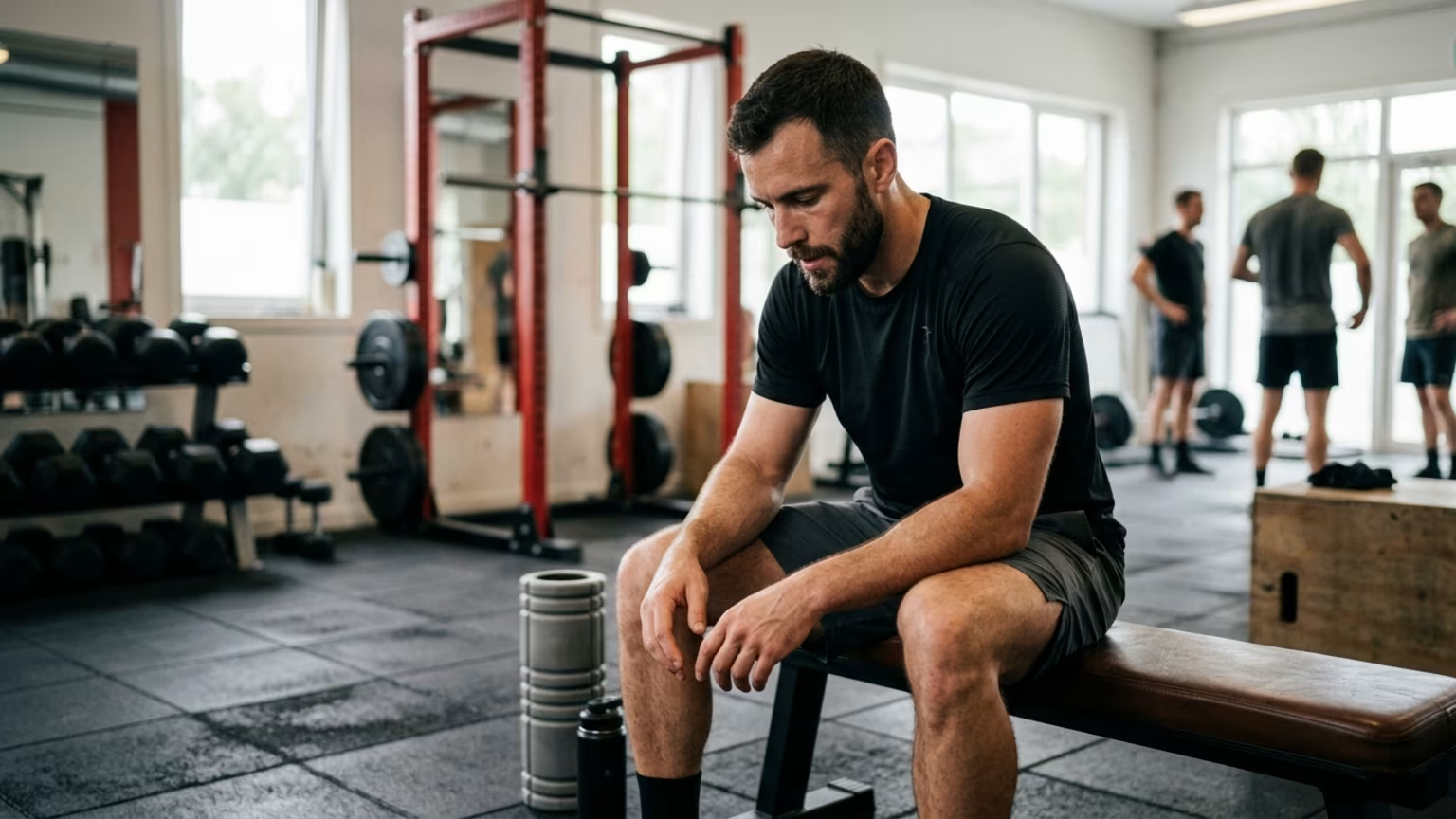
Most men fall into a trap of believing that true fitness requires athlete-level intensity. They view joint pain and prolonged fatigue as necessary costs for staying in shape. When the physical toll becomes too high, they often quit moving altogether. Recognizing that sustainable movement is superior to sporadic intensity is the first step toward long-term physical resilience.
The fitness industry often pressures mature men to chase the heavy lifting numbers of their twenties. When joint discomfort or slower recovery makes those old routines impossible, many men simply abandon physical activity. This mindset treats exercise as a temporary performance peak rather than a lifelong practice. The resulting drop in physical activity has severe consequences for men as they age.
Many men believe that taking a long break from the gym is a harmless, temporary rest period. However, these breaks often turn into years of sedentary behavior. The physical decline during these inactive years compounds rapidly. The loss of muscle and cardiovascular endurance makes starting again feel overwhelming.
The World Health Organization notes that physical inactivity increases significantly after age 60 in both men and women. Their data shows that nearly 31% of the adult population worldwide is physically inactive. This represents about 1.8 billion people who do not meet basic activity benchmarks. Furthermore, physical inactivity increased by 5 percentage points between 2010 and 2022.
If this trend continues uninterrupted, the World Health Organization projects that 35% of adults will miss activity recommendations by 2030. The pressure to follow an extreme workout routine often creates this exact avoidance behavior. Doing nothing becomes the default choice when the only alternative feels intimidating or painful. This inactive standard compromises long-term health and personal autonomy.
The all-or-nothing approach clearly fails to protect men from chronic health conditions. A lack of regular physical activity directly limits a man's ability to recover from illness or injury. Over time, the loss of muscle mass and cardiovascular capacity accelerates the loss of independence. Traditional fitness models do not adequately address these functional losses.
What Is The Capability Approach To Aging?
An alternative framework prioritizes functional independence and sustainable capability over dramatic physical transformations. This approach treats regular movement as a fundamental tool for disease prevention and long-term health. An article published on 6 September 2026 in The Daily Star perfectly illustrates this concept. Published ahead of World Physiotherapy Day, the piece argues that a healthy heart requires consistent movement.
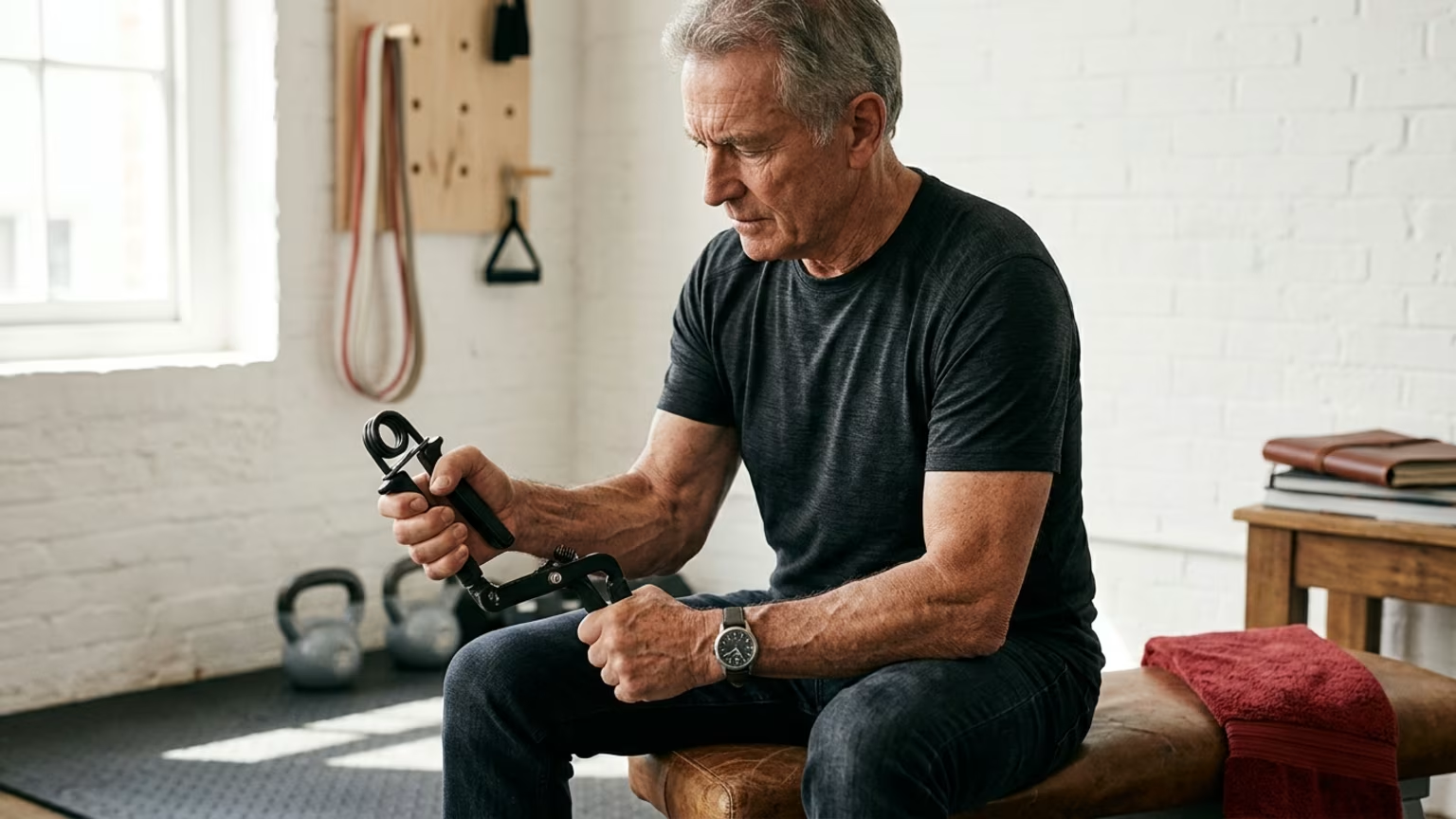
Dr M Easin Ali, the chief consultant of Dhaka City Physiotherapy Hospital, frames physiotherapy as a critical part of prevention rather than just injury treatment. He explains that carefully planned activity helps rebuild strength and supports a return to everyday routines. This is especially true for men living with long-term conditions. The primary goal is preserving the ability to live independently without relying on constant assistance.
This perspective reflects a wider shift in how the medical community views physical rehabilitation. Physiotherapy is no longer just a service for managing acute pain or recovering from a sports injury. It is now widely recognized as a discipline involved in chronic disease management and long-term function. Movement is a strategic defense against physical decline.
The capability approach shifts the focus from aesthetics to systemic health preservation. The World Health Organization states that any amount of physical activity is better than none. Their guidance stresses that all movement counts and that muscle-strengthening activity benefits everyone. According to their research, insufficiently active people face a 20% to 30% higher risk of death than sufficiently active people.
Consistent exercise is simply the most reliable way to build resilient healthy aging habits. Regular activity provides broad protective benefits across multiple body systems. The World Health Organization associates consistent movement with lower cardiovascular disease mortality and a lower risk of hypertension. Active adults experience a lower risk of falls, improved mental health, better sleep, and improved cognitive health.
This systemic improvement is far more valuable than any temporary cosmetic change. For older men, building physical reserve creates a buffer against future illnesses. The medical community increasingly recognizes that structured movement is medicine. Maintaining your physical capability protects your freedom of movement for the decades ahead.
How Can You Apply This Mindset To Daily Exercise?
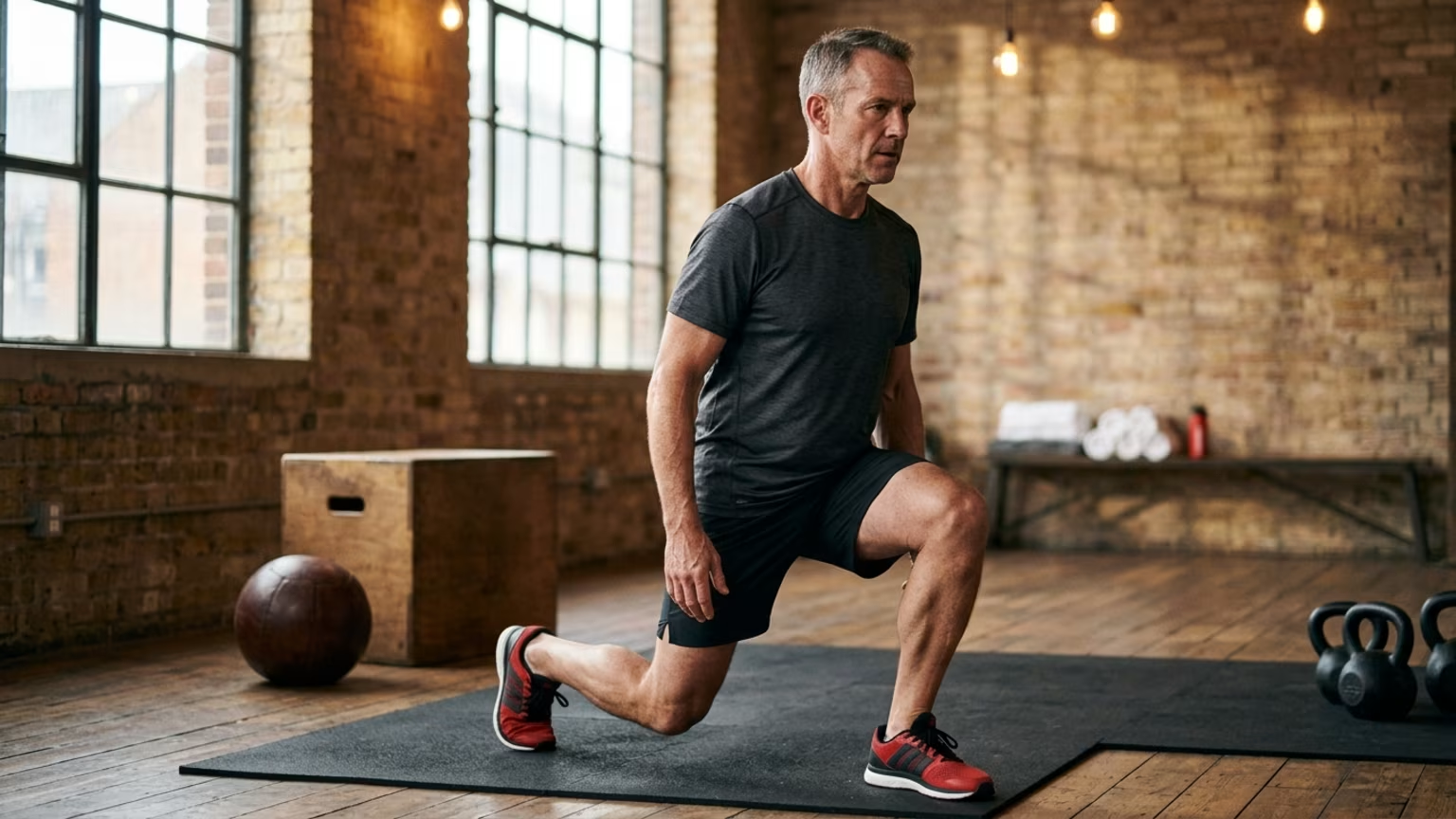
Adopting a capability mindset completely changes how you make daily choices about exercise and recovery. Rather than forcing yourself into a rigid gym schedule, you focus on breaking up long periods of sitting. Dr Ali points out that walking, taking active breaks, and slowly improving fitness are highly effective strategies. You do not necessarily need a strenuous routine to see meaningful health improvements.
Small daily changes in activity levels compound over time to yield massive functional benefits. Parking further away, taking the stairs, and carrying your own groceries are all valid forms of physical practice. These activities keep your joints moving and your muscles engaged throughout the week. They provide a steady stimulus that supports your overall physical capacity.
Professionals can help you establish a baseline if you are returning to activity after a long break. Physiotherapists can assess your current physical ability, recommend safe exercise, and guide a gradual progression. This professional assessment is highly valuable for men worried about overtaxing their cardiovascular system. It means that your training supports your life rather than draining your energy and metabolism.
For men managing specific health challenges, guided movement provides a safe path forward. The Daily Star article notes that conditions like heart disease, stroke, diabetes and obesity place increasing pressure on health systems. This public health burden makes personal physical resilience incredibly valuable. Proper guidance allows men to navigate these risks safely.
For stroke survivors, physiotherapy helps people practise movement, regain balance, and relearn daily activities. This targeted rehabilitation can continue long after a hospital discharge. The process involves slow, deliberate improvements that gradually rebuild a person's functional capacity. The end goal is a safe return to everyday living.
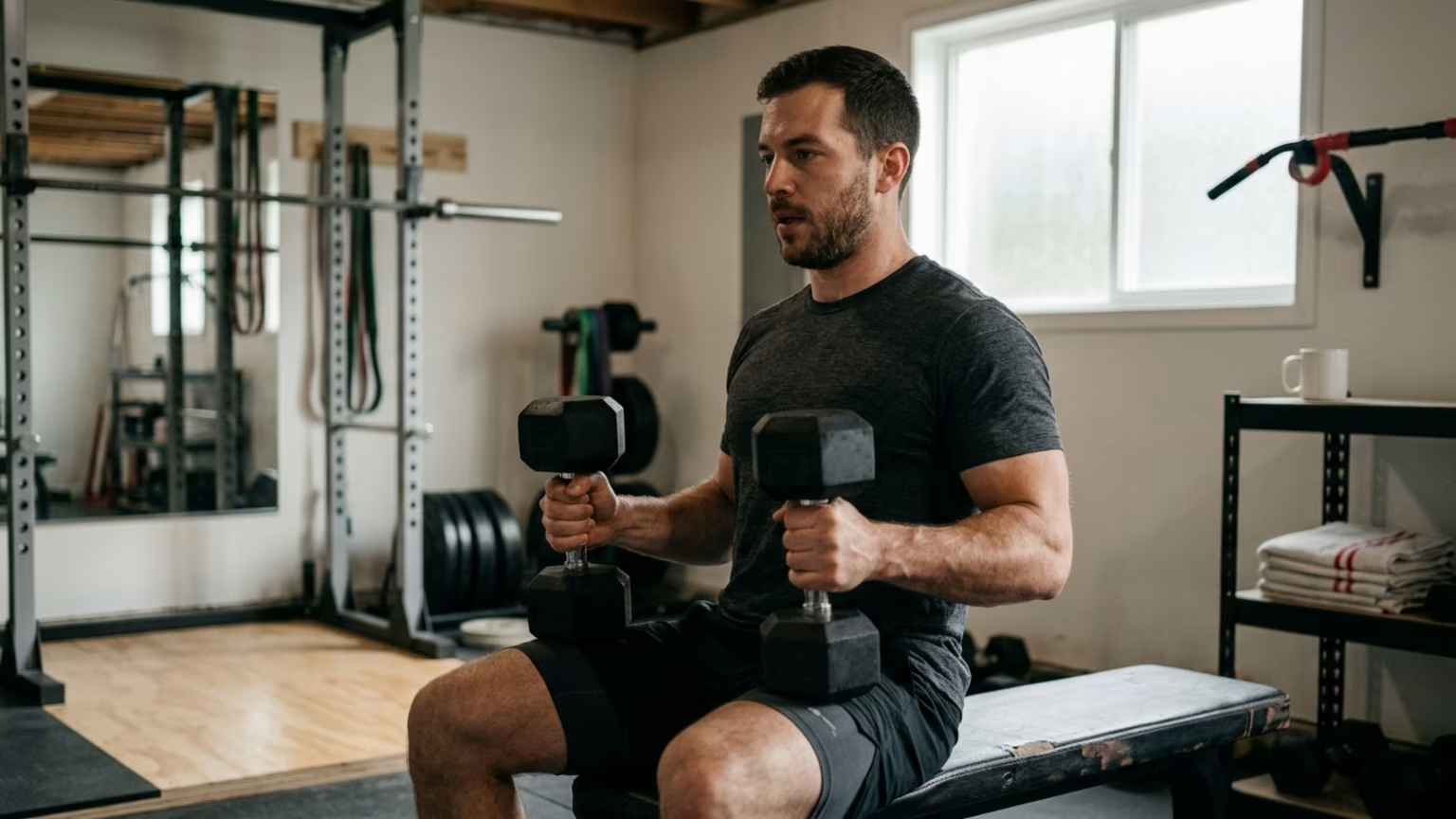
Resistance training remains a vital component of this practical framework. While specific lifting protocols must be tailored to the individual, the focus shifts to preserving muscle for practical tasks. You lift weights so you can carry luggage, climb stairs, and maintain your mobility and recovery capacity. Every exercise selection is evaluated by how well it supports your ability to function independently.
Are You Ready To Redefine Your Physical Independence?
Moving away from extreme fitness standards allows you to build a resilient body for the decades ahead. You do not need to chase the heavy lifting numbers of your youth to be exceptionally capable. Regular physical activity remains your most powerful tool for defending your functional autonomy. How will you redefine your own midlife physical capability so you stay active and independent?
How Everfitguys helps
Falling energy, slower metabolism and unwanted changes in body composition often cause mature men to simply stop training when their old workouts stop working. Everfitguys translates clinical research to help older men break out of the all-or-nothing fitness trap and build a sustainable movement practice. The publication provides the objective context required to preserve muscle, manage fatigue and maintain long-term physical independence.
Sources
Stay sharp
Get stories
The best writing on craft and life, delivered once a week. No noise, just the good stuff.