How Daily Creatine Intake Boosts Strength and Lean Tissue in Inactive and Exercising Adults
On September 18, 2026, Texas A&M University reported findings from a 12-week trial indicating that healthy adults aged 45 to 65 gained lean tissue and physical strength while supplementing with creatine. The underlying research report was published in the Journal of the International Society of Sports Nutrition.
Study Design
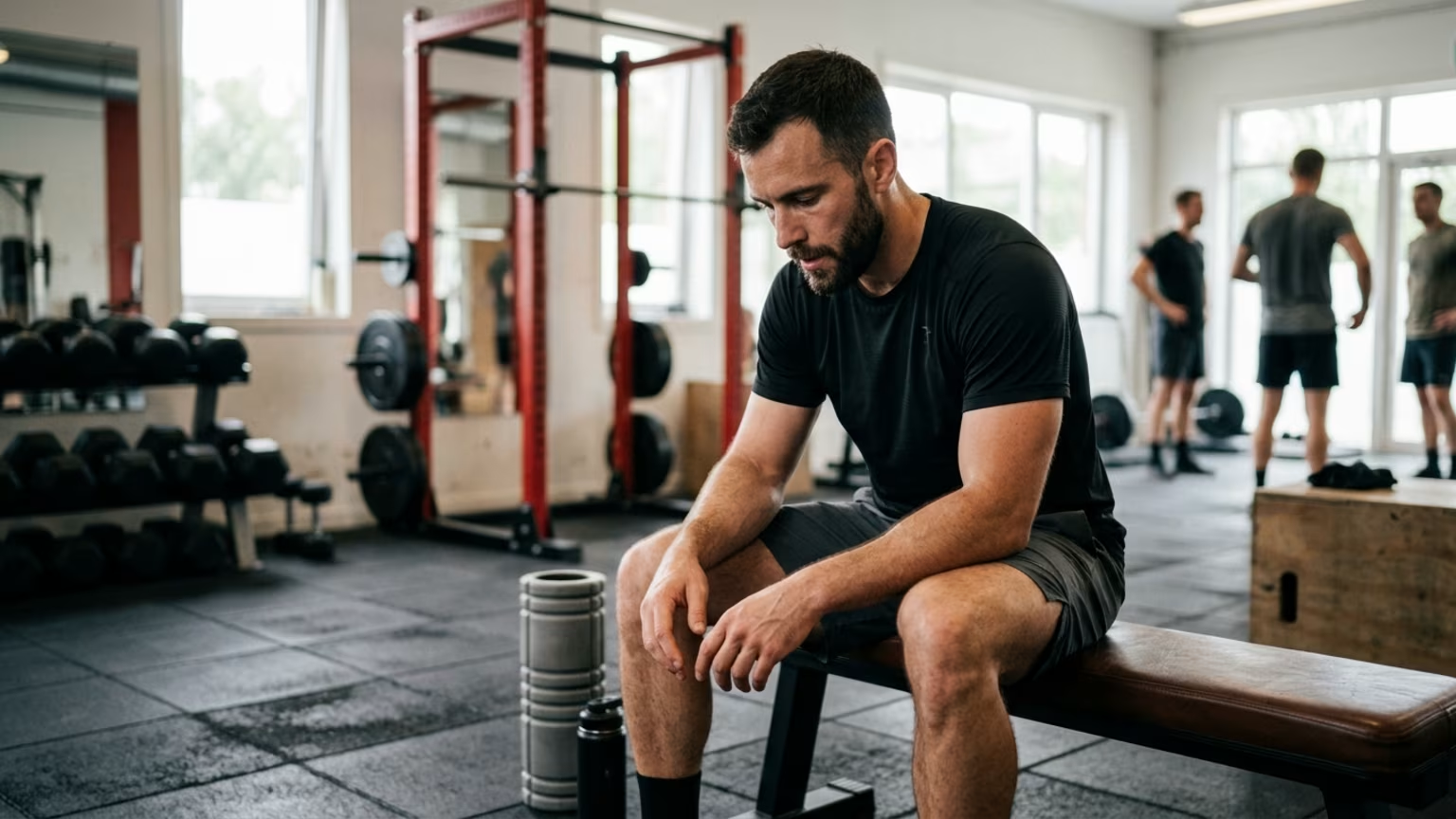
According to the university release, researchers structured a 12-week trial to track physiological changes in 64 healthy adults aged 45 to 65. The clinical design allowed these midlife participants to choose their own level of physical activity during the study window. Participants decided independently whether to join an exercise and diet program or to remain in a non-exercise group. Within those two distinct activity groups, the clinical researchers randomly assigned the adults to receive either 10 grams of creatine monohydrate daily or a matching placebo.
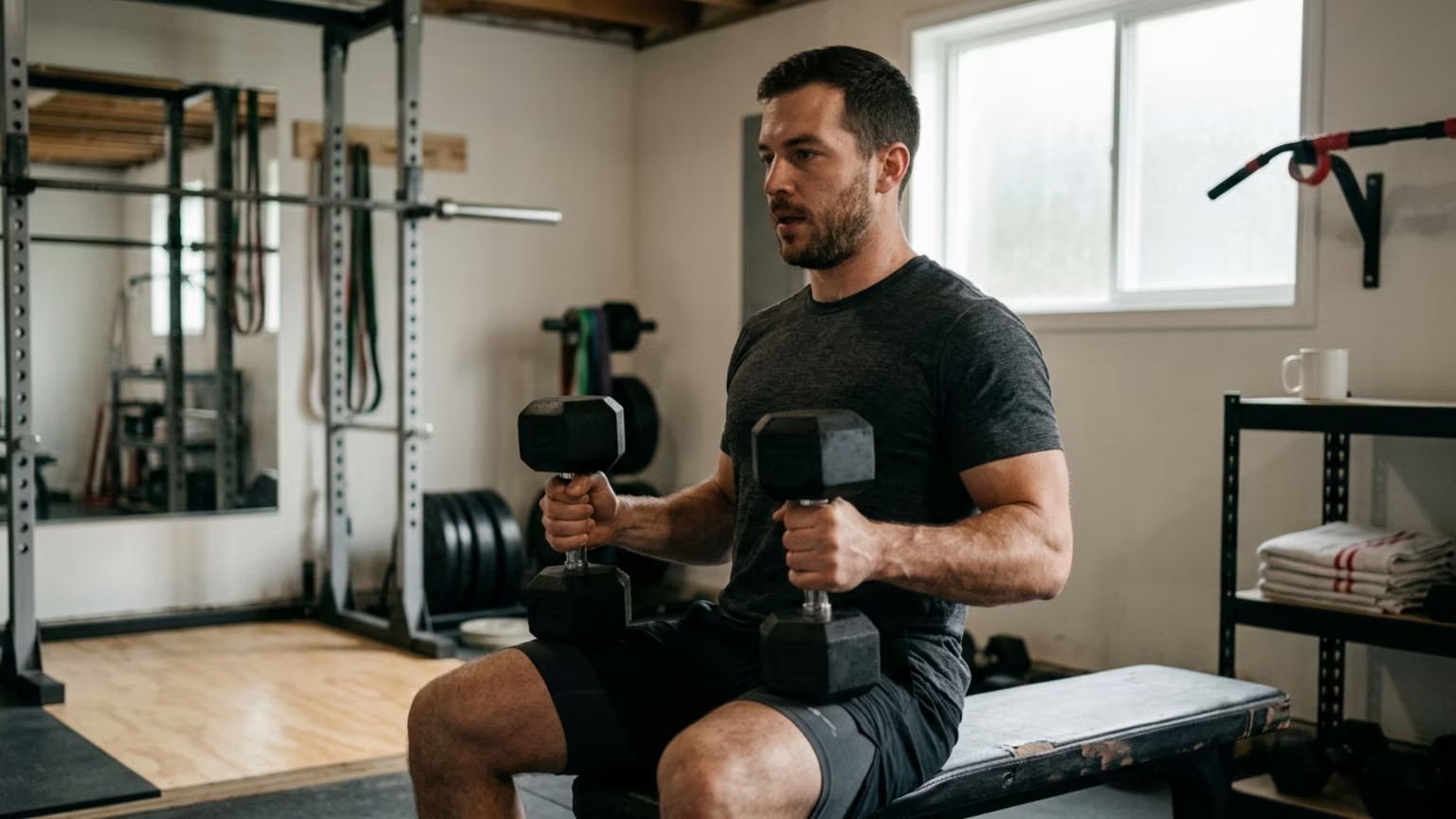
The active group committed to a formal exercise program that combined resistance and aerobic training three times weekly. These regular workouts were paired with a dietary protocol intended to create a modest calorie deficit. Because exercise participation was self-selected rather than randomly assigned, the final comparison between active and inactive participants carries a specific clinical limitation. Readers evaluating these trial outcomes should recognize that the physical exercise itself cannot be treated as a randomized clinical variable.
The independent PhillyVoice report also confirmed the primary protocol details for this physical trial. The news outlet cited the 64 total participants, the 12-week study duration, the specific exercise schedule, and the 10-gram daily dose of creatine. A mature man deciding how much strength training to pursue can use this trial structure to understand basic clinical dosing schedules. However, this 10-gram daily dose represents the specific study protocol rather than a universal medical recommendation for every individual aging adult.
Physical Outcomes
The university recorded notable physiological changes among the participants who chose not to exercise during the study. In this non-exercise group, individuals taking the nutritional supplement gained about 2.4 pounds of lean tissue over the 12 weeks. These inactive adults also improved their baseline leg-press and bench-press strength by the end of the trial period. The university researchers viewed this data as evidence that the compound may support physical capacity even without a structured training program.
Men managing their body composition should recognize that lean tissue is not automatically equivalent to newly built contractile muscle. The available university report does not provide enough specific detail to determine how much of this tissue change reflects actual muscle fibers versus other lean-mass components like water. The distinction between muscle mass and usable strength remains a complex biological topic. These isolated tissue measurements offer only one clinical perspective on how the human body ages over time.
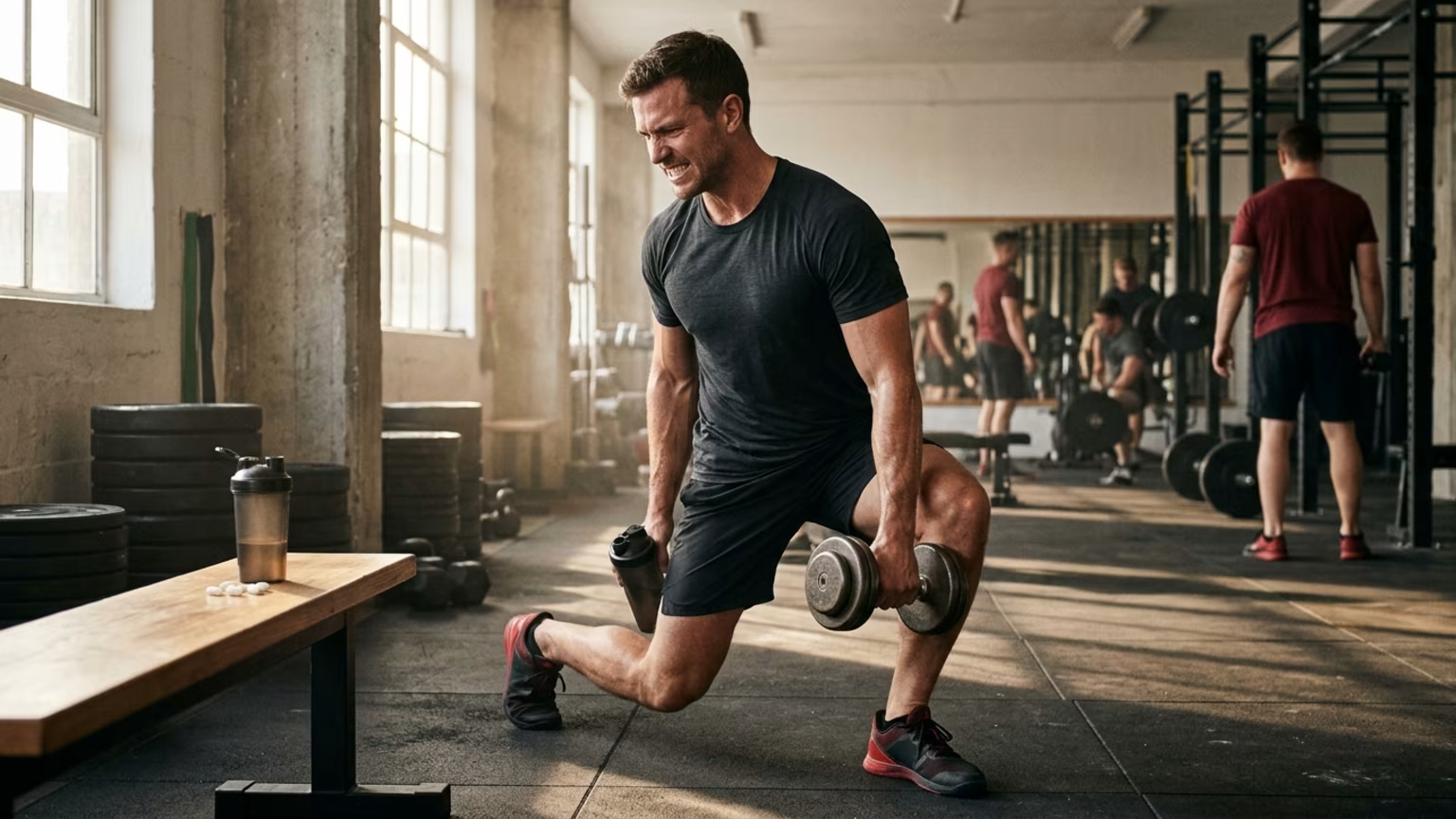
Participants who combined the daily supplement with the structured exercise and diet program achieved more pronounced physical changes. Those taking creatine in the active group gained nearly 3 pounds of lean tissue and successfully reduced their total fat mass. They also recorded greater leg-press strength, better bench-press strength, and larger time-to-exhaustion gains than participants who exercised without the supplement. The combined intervention clearly produced the most favorable physical metrics over the 12-week clinical window.
Endurance Limitations
Even with the reported gains in resistance-exercise tolerance, researchers drew a clear boundary regarding human cardiovascular fitness. The university report explicitly noted that the supplement did not appear to improve aerobic capacity among the active participants. Men seeking comprehensive physical conditioning should not view improved time to exhaustion during lifting as a general upgrade to their cardiovascular health. Building stamina requires dedicated aerobic effort, and this study does not position the compound as a cardiovascular solution.
Cognitive Markers
The peer-reviewed paper covering this 12-week trial included clinical metrics beyond standard physical strength and basic body composition. The publication title explicitly mentions cognitive function alongside the physical markers measured in middle-aged and older adults. According to the publisher’s summary, the combined intervention of supplementation, exercise, and diet resulted in improvements to selected cognitive and memory markers. The researchers included these neurological measurements to test whether the compound influences mental sharpness alongside physical capacity in mature adults.
The available university release notes these cognitive variables in the study scope but does not quantify the mental improvements or explain the underlying neurological mechanisms. The provided clinical material lacks the specific detail required to characterize these early findings as established cognitive benefits for the general public. Men managing their long-term health should view these neurological markers as an area for future scientific observation rather than a proven clinical outcome. Maintaining mental sharpness and cognitive capability still relies primarily on consistent cardiovascular exercise, quality sleep, and sound metabolic health.
Clinical Context
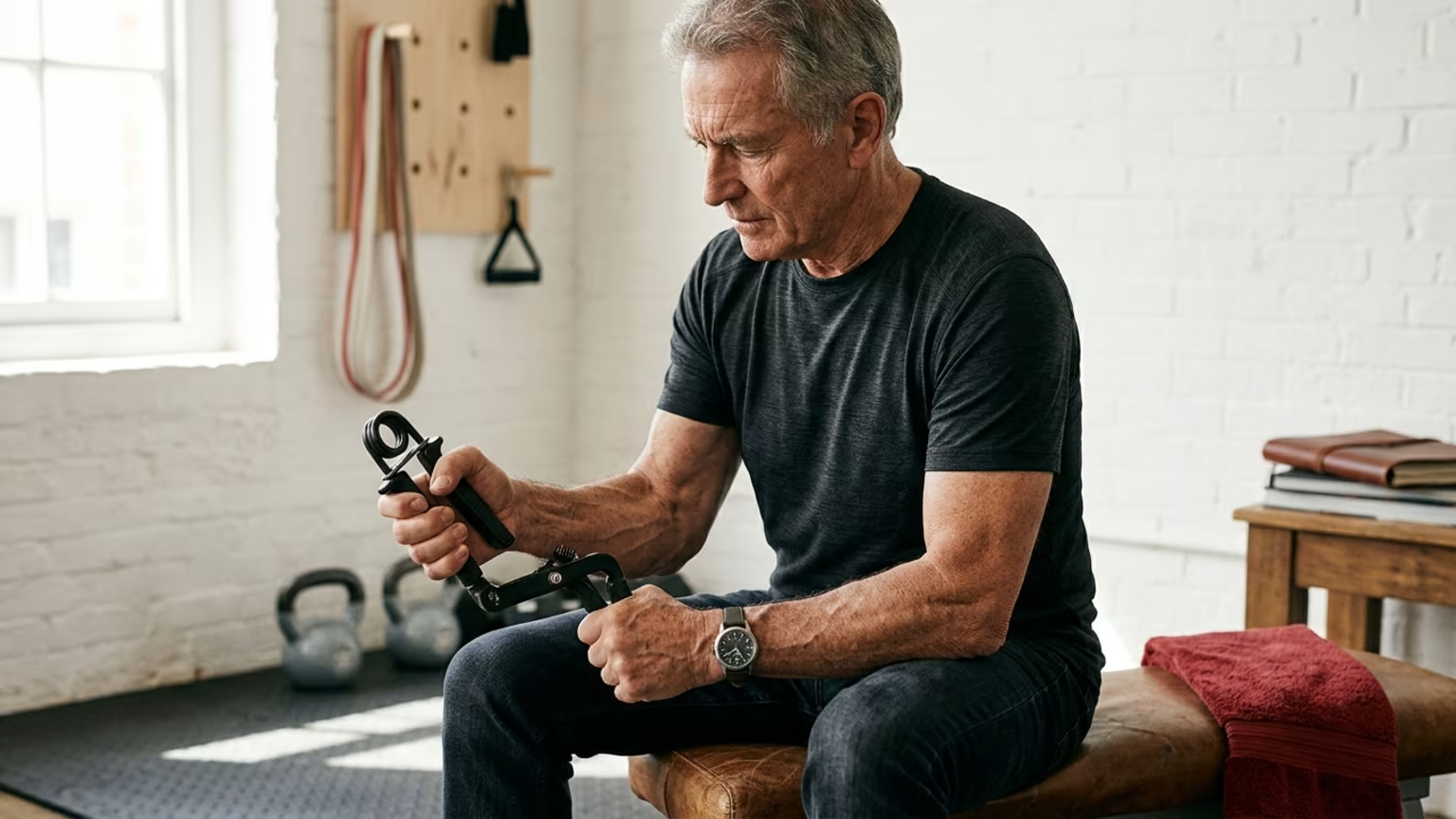
Texas A&M identified Richard Kreider, a professor and director of the Exercise and Sport Nutrition Lab, as the principal investigator for this trial. The university reported that the study received funding from the WoodNext Foundation through the Texas A&M Foundation. Kreider expressed the view that the supplement has potential relevance beyond athletic performance since maintaining muscle becomes more critical with age. This perspective represents the researcher's clinical framing of the data rather than proof that supplementation cures age-related muscle loss in the general population.
The university release described the compound as a widely studied sports and nutritional supplement. To support this safety profile, Texas A&M reported that a 2025 analysis by Kreider and colleagues reviewed 685 historical clinical trials. That specific analysis found no significant difference in reported side-effect rates between the compound and a placebo. While the university presented this safety statement clearly, readers should still discuss any new nutritional protocol with a qualified medical clinician before starting.
The short duration and small scale of the trial leave several functional questions unanswered for older men. A 12-week study involving 64 people does not establish whether the observed tissue changes persist over multiple years of ongoing use. It also does not confirm whether these initial strength improvements translate into durable functional benefits for daily independence. The clinical data applies specifically to healthy adults aged 45 to 65, and the specific results may not apply directly to individuals managing chronic illnesses.
Broader Evidence
Men evaluating their long-term nutritional strategies can look to a 2026 systematic review and meta-analysis published in PubMed Central to contextualize this single university trial. This broader analysis pooled data from 63 randomized controlled trials involving 1,489 total human participants. The researchers focused explicitly on comparing individuals who combined the supplement with resistance training against those who completed resistance training alone. This large review highlights a key editorial distinction regarding creatine for midlife men, confirming that the most reliable benefits require dedicated physical lifting.
The meta-analysis reported significant pooled gains in upper-body strength, lower-body strength, and overall lean mass for the supplemented lifters. The reported standardized effect sizes were 0.54 for upper-body strength and 0.55 for lower-body strength after the researchers excluded one statistical outlier. The analysis recorded an effect size of 0.30 for lean mass across the pooled clinical trials. These specific figures represent standardized mathematical effect sizes rather than concrete pounds of muscle that an individual man can expect to gain.
While strength markers improved consistently in the meta-analysis, the impact on body fat remained negligible across the pooled studies. The review found no statistically significant pooled difference in fat mass between the supplemented groups and the separate control groups. The authors characterized the overall certainty of their collected evidence as ranging from low to moderate. They also noted substantial variation among the different physical training protocols and dietary reporting methods used in the historical trials.
The researchers conducting the meta-analysis cautioned that their findings regarding specific age subgroups remain entirely exploratory at this current stage. The Texas A&M trial provides a novel look at midlife adults and non-exercising individuals, while the meta-analysis evaluates the compound strictly as an addition to weight training. Men structuring a comprehensive return to training should prioritize regular physical effort over supplemental chemical interventions. The combined evidence indicates that active physical loading remains the primary driver of functional capability and healthy aging.
Changing Practice
This clinical research confirms existing knowledge that creatine amplifies physical strength during structured resistance training, while introducing early evidence that it may help inactive older adults preserve a functional baseline.
How Everfitguys helps
Assessing the true physical impact of a dietary compound requires mature athletes to look beyond isolated 12-week clinical trials. Losing muscle, strength and physical capability with age threatens long-term mobility, and Everfitguys evaluates this complex physiological evidence so older men can remain independent and physically capable for work and travel.
Sources
Stay sharp
Get stories
The best writing on craft and life, delivered once a week. No noise, just the good stuff.