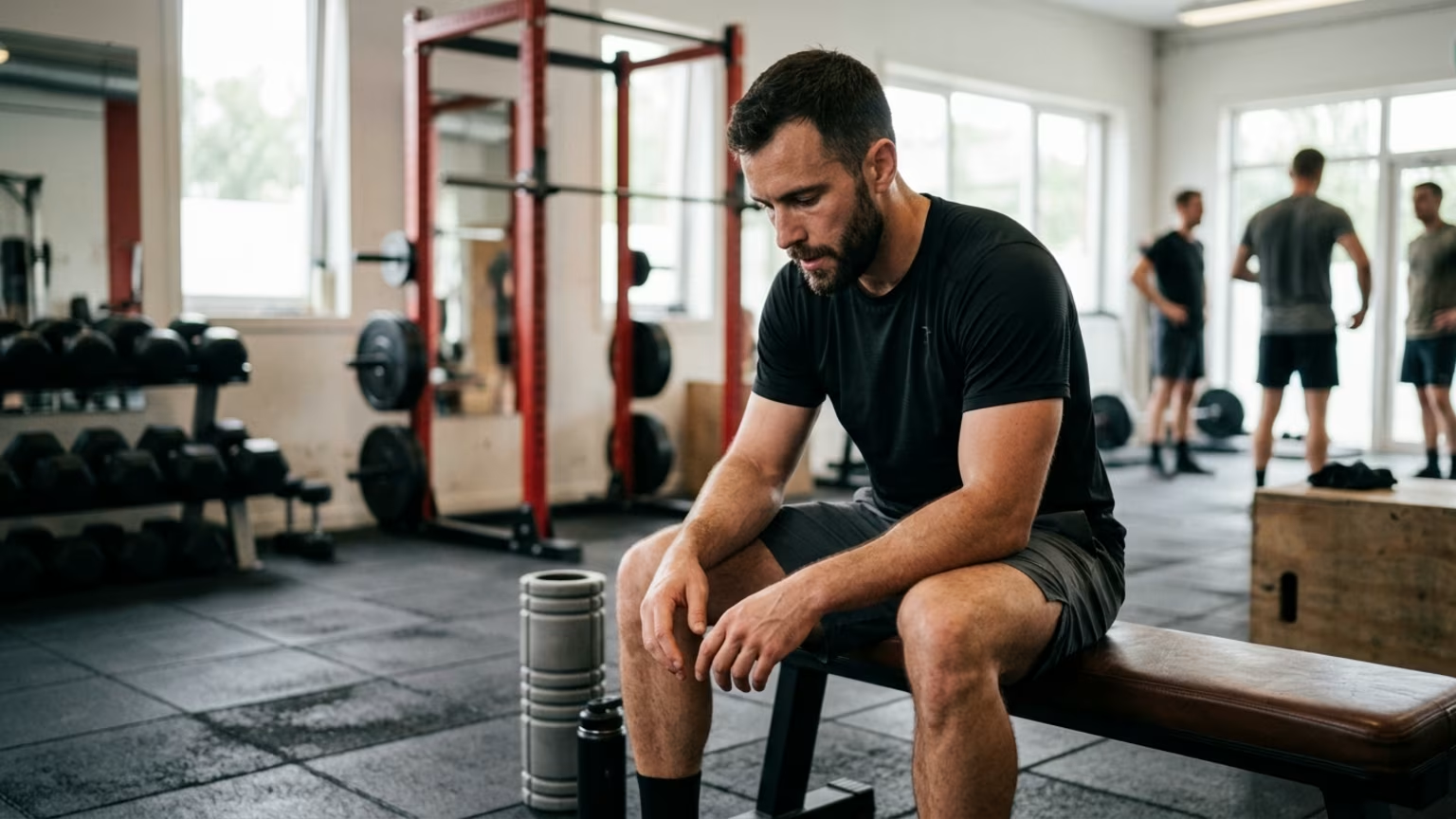
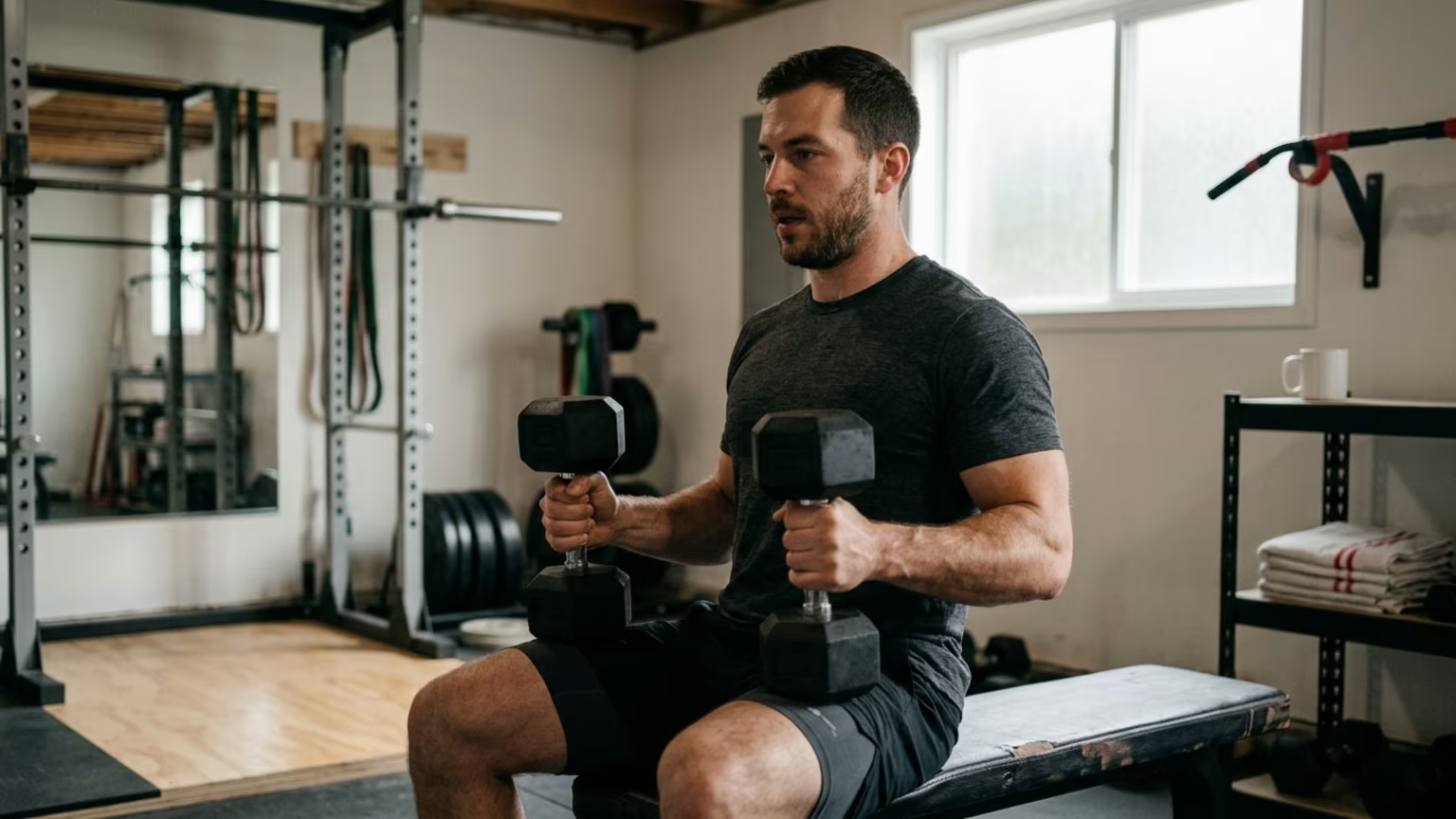
Low Muscle Mass Drives Higher Mortality Risk Even With Normal Telomeres

In September 2026, a report in Men's Journal detailed a new Nutrition & Metabolism study showing that low muscle mass associates with a substantially higher mortality hazard regardless of normal cellular aging markers. The researchers analyzed whether telomere length and muscle mass jointly affect all-cause mortality over time.
Beyond Biological Age
Many adults face confusing information regarding longevity and healthy aging. The modern wellness industry heavily promotes cellular tracking and biological age tests. These metrics offer interesting data points for tracking personal health. Focusing exclusively on invisible cellular factors can distract from the physical reality of getting older.
Maintaining functional strength remains a practical requirement for long-term capability. Physical decline often begins quietly before impacting daily independence. A reliable foundation of physical strength protects against early mobility loss. This new clinical analysis brings the focus back to tangible physical capacity.
Analyzing The Study Design
The research team evaluated a large population sample to understand these joint health variables. They analyzed records from 4,668 adults in the United States using the NHANES cohort. The investigators assessed participant telomere length through standard blood samples. They paired this data with appendicular muscle mass readings gathered through dual-energy X-ray absorptiometry scans.
The researchers tracked these individuals over a median follow-up period of 16.92 years. During this nearly two-decade window, the team recorded 1,138 deaths within the cohort. This extensive timeframe allowed them to observe how baseline physical measurements related to long-term survival. The study categorized participants based on their combined results.
Evaluating the connection between body composition and overall longevity requires looking at actual clinical outcomes rather than theoretical models. The long observation period provided clear comparative data across the different participant categories. The researchers sought to determine which combinations presented the highest risk profiles for older adults.
The Primary Findings
The findings demonstrate a clear link between retained muscle and long-term survival. Participants with normal telomeres but low muscle mass demonstrated a 79 percent higher adjusted mortality hazard. This specific hazard ratio was calculated against a reference group of people who possessed both normal telomeres and normal muscle mass. A single favorable aging marker did not negate the increased risk associated with physical decline.
The investigators also looked at individuals with shorter telomeres but normal muscle mass. This particular group showed a 31 percent higher adjusted mortality hazard compared to the healthy reference baseline. Retaining functional tissue appeared to offer a completely different risk profile than cellular aging alone. The combination of shorter telomeres and low muscle mass proved to be the most concerning state.
The published report indicates this combined condition was associated with highly elevated mortality risk in specific demographic groups. Adults younger than 60 and women saw particularly strong risk patterns when both health markers were compromised. For men managing their physical health through midlife, these associations provide a stark physical reminder. Cellular longevity metrics cannot tell the complete story when a person lacks basic physical capability.
Practical Interventions for Midlife
Understanding this data helps active men make better decisions about their weekly routines. Dennis Villareal, MD, a researcher supported by the National Institute on Aging, provided direct context for the findings. He stated that resistance training is the most important component because it builds muscle and reduces the loss of muscle mass. Building strength directly addresses the physical deficits recorded by the observational research.
Men seeking to stay strong and energetic do not need complicated daily protocols. The focus should remain on consistent physical work performed over months and years. Federal physical activity guidance provides specific baselines for healthy adult populations. These guidelines recommend muscle-strengthening activities involving major muscle groups at least two days per week.
This manageable training frequency supports long-term physical resilience without demanding daily exhaustion. Clarifying how much weekly resistance training older adults actually need removes the guesswork from exercise programming. Consistent lifting helps mature adults build the necessary physical reserve for later life. This reserve protects against the natural loss of capability that accompanies normal human aging.
Protecting Physical Independence
Physical independence requires a proactive approach to managing body composition. Men actively managing their health often worry about slowing metabolism and changing body composition after 45. Maintaining active muscle tissue directly supports metabolic health while preserving overall physical power. Strength training serves as a highly practical tool for retaining this lean tissue.
Older men frequently deal with stiffness and slower recovery times between hard workouts. Adjusting workout volume to protect vulnerable joints allows for consistent training without unnecessary pain. Staying active through lifting, hiking, and cycling requires a measured approach to physical stress. Building permanent physical strength demands accurate planning and realistic expectations.
Strength training serves as a fundamental practice for healthy aging and everyday mobility. A well-designed routine targets the major muscle groups safely and effectively. Men returning to exercise after a long break should start slowly to build joint tolerance. Steady progression allows the body to adapt without triggering chronic psychological stress.
Important Study Caveats
Readers must interpret these findings with a clear understanding of the study structure. The report explicitly warns that this research represents an observational association. The data does not prove that low muscle mass directly caused the recorded deaths. It also does not mean that gaining muscle will reduce an individual person's mortality risk by exactly 79 percent.
The reported 79 percent figure represents a relative hazard comparison against the normal baseline group. It is not an absolute probability of dying for any individual reader. Furthermore, the researchers based their classifications on specific measured thresholds for biomarkers and body composition. The news report does not provide these exact biological thresholds.
The methodology relied on a single baseline measurement for both muscle mass and telomere length. One isolated assessment cannot establish how changes in these metrics over time affect long-term survival outcomes. The research did not include a causal intervention test to measure the physical effects of a new training program. These structural limitations mean the data provides broad population clues rather than personal medical forecasts.
Evaluating the Science
This analysis offers a valuable perspective on the current longevity tracking movement. Assessing complex clinical data about nutrition and aging requires patience and clear context. The results demonstrate that evaluating physical capability remains highly relevant for overall health. A single cellular measurement cannot predict the full trajectory of human aging.
Medical professionals increasingly recognize muscle as an active endocrine organ. This tissue helps regulate glucose and supports daily metabolic function. A comprehensive approach to healthy aging must account for these mechanical and chemical benefits. Relying solely on blood tests for cellular age misses the functional reality of human movement.
Men managing their own physical fitness should prioritize tangible strength over theoretical biological scores. A capable body directly improves daily life, physical comfort, and mental sharpness. The pursuit of healthy aging should always include activities that challenge the muscular system. Building strength remains a proven method for maintaining independence into later life.
This research confirms that tracking cellular longevity markers cannot replace the practical necessity of building and preserving physical muscle mass.
How Everfitguys helps
Understanding how functional tissue influences long-term survival requires accurate clinical data, and Everfitguys analyzes this primary evidence to help active men maintain their physical capacity. Not knowing which longevity and healthy aging claims are actually supported by research complicates daily programming for the mature adult, but our evaluations allow him to build reliable routines that preserve real strength. Read the research
Sources
Stay sharp
Get stories
The best writing on craft and life, delivered once a week. No noise, just the good stuff.