How Building a Robust Physical Reserve Protects Daily Function and Resilience After Midlife
Defining Physical Reserve
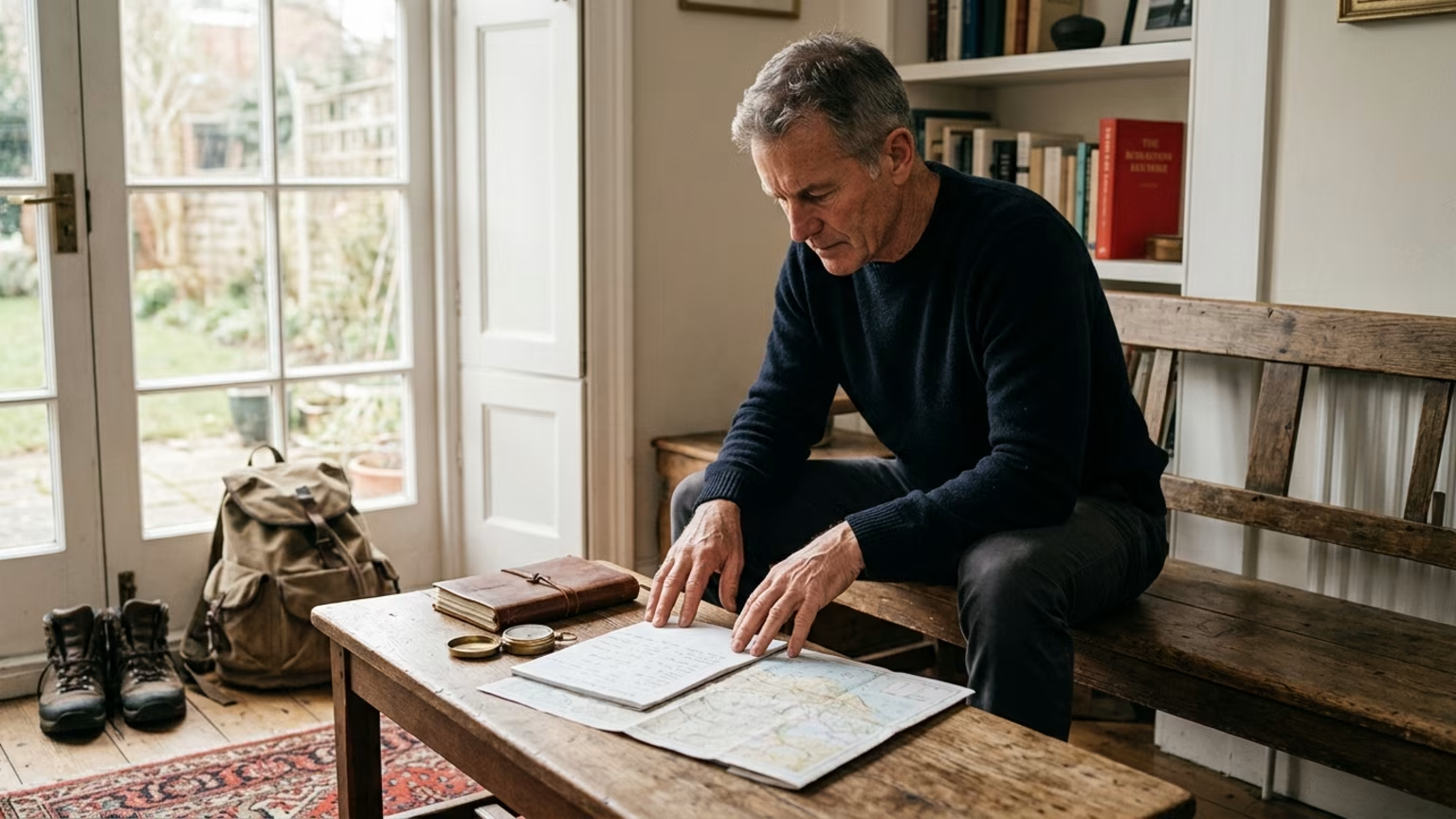
Physical reserve is the practical capacity to tolerate illness, injury or fatigue without losing functional independence. The closest established healthy aging framework is the World Health Organization’s concept of intrinsic capacity. This concept involves the physical and mental capacities a person can draw on. These capacities interact with the environment to produce functional ability. Intrinsic capacity commonly covers locomotion, cognition, psychological capacity, vitality and sensory function like vision and hearing.
Sustaining Independence Through Midlife
Men over 45 face natural biological shifts that challenge muscle mass, energy and mobility. Sustaining functional independence requires a reserve that absorbs disruptions like travel or minor injuries. Everyday tasks demand overlapping physical qualities that decline without consistent attention. Rising from a chair requires lower body strength, while walking through an airport relies on aerobic fitness. A multidimensional approach helps men stay capable for work, sport and family life.
The Science of Capability
Current clinical reporting links multiple physical domains to better aging outcomes. Recent studies show balance, agility, lower-body strength and cardiorespiratory fitness associate with lower all-cause mortality risk in older adults. A 2026 perspective argued that muscle mass, strength and physical function should act as distinct targets in healthy aging policy. Frailty directly threatens longevity. A 2026 study reported frailty associates with higher all-cause mortality risk, showing a hazard ratio of 1.92.
Another study summary reported that an umbrella review of resistance training included 11 systematic reviews, 364 primary studies and 382,627 unique participants. This review associated resistance training with better physical functioning and lower mortality outcomes. To address physical decline, the CDC activity framework combines aerobic activity, muscle strengthening at least twice weekly and balance work. You can find guidance on hitting these targets in our weekly strength training review.
Social connection also impacts physical durability significantly. A large UK cohort study found loneliness and social isolation associate with fewer years of life free from several major chronic diseases. Similarly, a 12-year Medicare analysis found social isolation predicted all-cause mortality after adjustment. This association was stronger among men than women in that specific analysis.
Assessing Your Current Capability
Building reserve starts with measuring your current physical and social baseline. This self audit serves as an editorial screening tool rather than a clinical diagnosis. Readers with chronic pain or unexplained symptoms should seek medical guidance before testing their limits.
Strength and Power Metrics
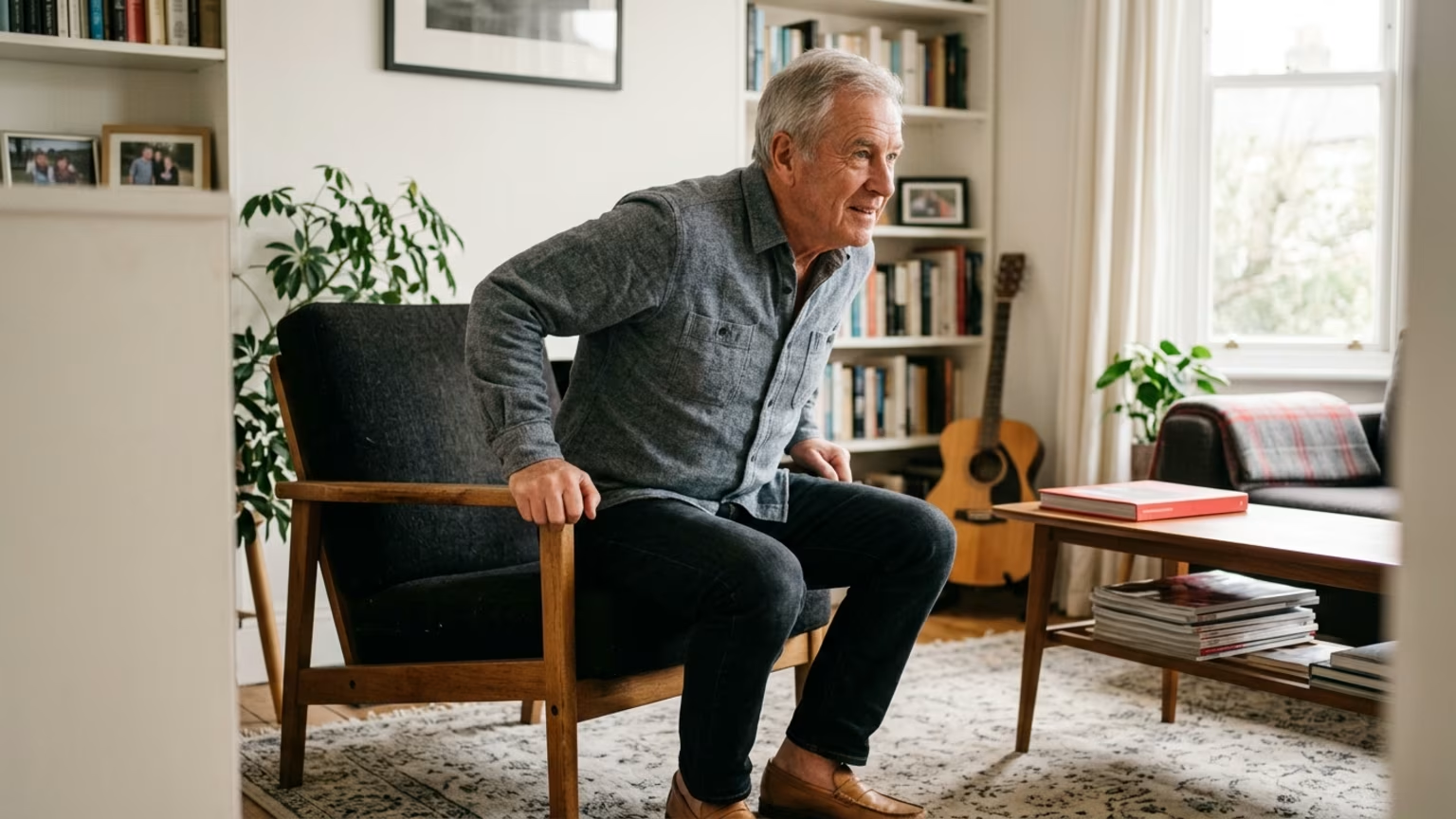
Everyday independence requires usable strength for daily movement patterns. Ask yourself if you can rise from a low chair without using your hands for support. Test whether you can carry two moderately heavy bags safely across a room. You should be able to lift a light object from the floor without losing balance. Your legs and core form the foundation of physical durability. Keep track of whether your strength remains symmetrical on both sides of your body over time.
Aerobic Capacity Markers
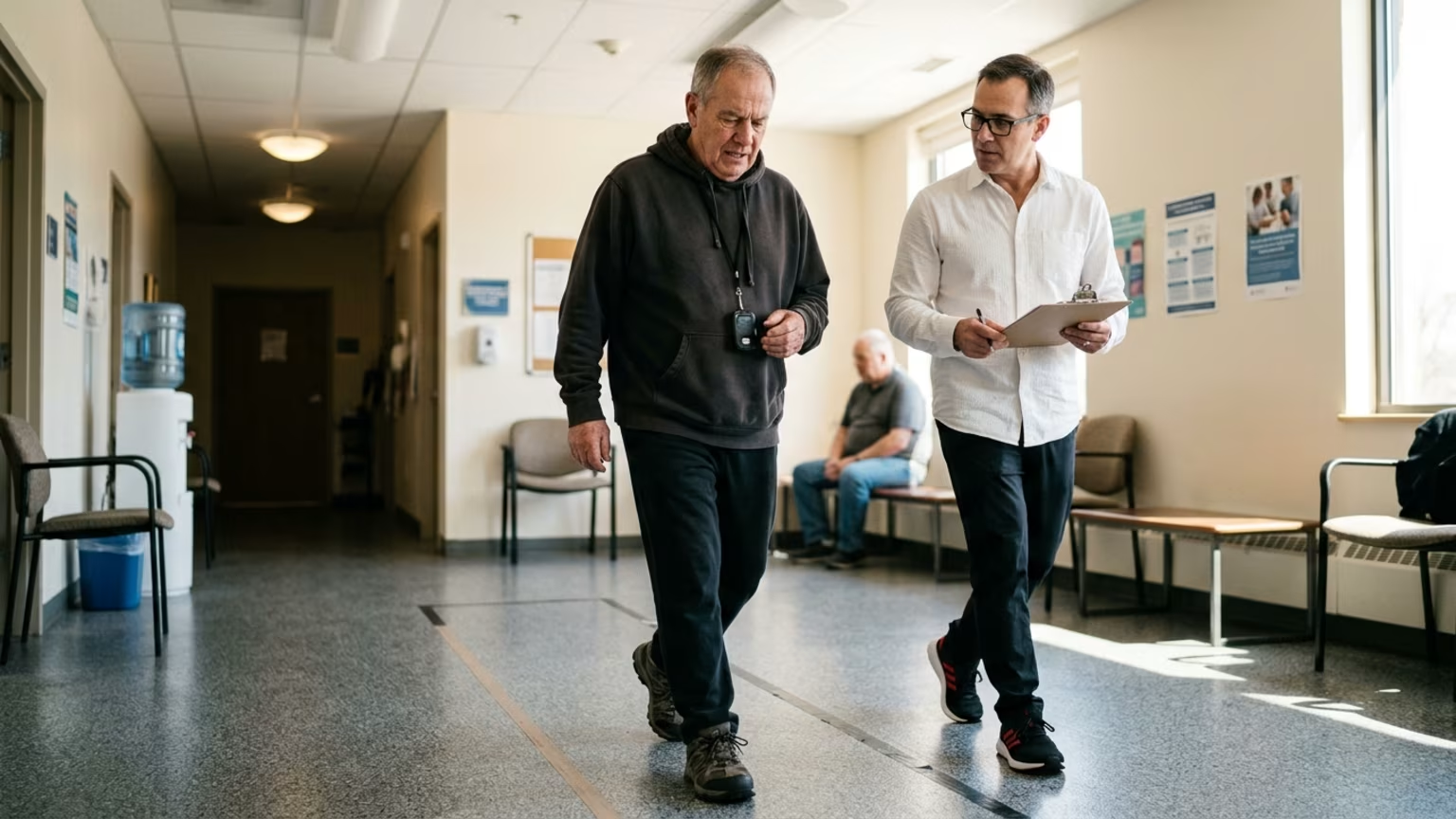
Cardiorespiratory fitness determines your ability to sustain effort over long periods. Consider whether you can walk briskly for 30 minutes without needing a prolonged rest. You should be able to speak in short sentences during moderate physical activity. Monitor how quickly your breathing and heart rate recover after a demanding hike. Track a repeatable activity like a brisk walk to gauge your baseline endurance.
Balance and Agility Tests
Balance requires regular practice in controlled settings near a stable support. Test whether you can stand on one leg safely for a short duration. Notice if you can turn, stop and change direction without hesitation while walking. You should be able to step over a small obstacle without grabbing nearby furniture. Good agility allows you to recover quickly from a minor stumble.
Mobility and Range of Motion
Usable range of motion keeps your joints healthy and your movements fluid. Assess whether you can get down to the floor and back up safely. You should have enough rotational mobility to look behind you comfortably. Test if you can reach overhead or hinge sufficiently to pick something up. Your mobility determines your comfort walking on uneven ground or slopes.
Recovery and Resilience Checks
Physical reserve dictates how well you bounce back from daily stressors. Notice if ordinary activity has begun to cause disproportionate fatigue or lingering soreness. Monitor whether minor illnesses or travel disruptions cause a long loss of function. Assess if you are sleeping adequately to support your normal training volume. Unexpected deterioration requires clinical assessment rather than pushing through the fatigue.
Social and Cognitive Engagement
Isolation affects motivation, mental health and access to help during an injury. Ask if you participate in recurring groups, clubs or shared hobbies. Consider whether you have regular contact with people who would notice your absence. Mental adaptability involves adjusting a workout when pain or weather changes your plan. You should remain willing to learn new routes, exercises or travel strategies.
A Phased Progression Plan
Rebuilding your physical reserve requires a structured, long term approach. Consistent physical movement protects your joints and keeps your metabolism functioning well. Follow these gradual steps to restore your baseline capability safely.
Phase One: Establish a Baseline
Spend one week recording your current movement habits and physical limitations. Track your strength, walking endurance, sleep quality and social contact daily. Note any joint pain, mobility restrictions or activities that cause excessive fatigue. Choose two functional priorities instead of trying to improve every quality at once.
Phase Two: Build a Movement Base
Use the established public health pattern to build a weekly movement framework. Schedule two full body strength sessions and several brisk walking or cycling workouts. Add short balance practice and brief mobility work on most days. Start below the intensity level that produces lingering joint pain or severe fatigue. Include at least one socially connected activity in your weekly routine.
Phase Three: Progress Gradually
Increase your training demands slowly by changing one variable at a time. Add a few repetitions while maintaining strict control over the movement pattern. Increase your walking time, add modest hills or practice carrying heavier objects. Add complexity only after the basic movement pattern feels reliable and safe. A training plan that repeatedly causes flare ups or forces long layoffs is not building dependable reserve.
Phase Four: Train for Real Demands
Match your weekly training to the physical demands of your preferred lifestyle. If you enjoy hiking, build your walking volume and practice downhill control. For travel readiness, combine walking endurance with luggage carries and stair climbing. Everyday tasks require floor transfers, reaching, turning and getting up from low chairs. The goal is maintaining overlapping capacities so temporary weaknesses do not eliminate independence.
Phase Five: Reassess Periodically
Repeat the same simple tests every few months to track your progress. Monitor your chair rise quality, walking duration, balance confidence and recovery time. Look for steady trends rather than focusing on dramatic short term changes. A steady decline or new asymmetry should trigger a physiotherapy review.
Limits of Current Data
Many healthy aging guidelines rely on observational associations rather than direct causation. We cannot prove that isolation directly causes mortality or that one specific social routine guarantees health. There is no single validated combined score covering strength, aerobic fitness, balance, mobility and mental adaptability. Current research treats these elements as separate performance domains.
Fall reduction claims also require careful reading and context. One systematic review reported a 23 percent reduction in falls from perturbation-based balance training. The same review reported a 24 percent reduction in injurious falls. However, researchers rated the certainty of this specific evidence as low. Physical reserve remains a practical editorial concept rather than a precise clinical metric.
The Future of Aging
The longevity field is shifting toward multidomain assessments rather than calculating a single fitness age. What to watch next: future clinical protocols will likely combine movement, cognitive testing and social participation to measure true physiological durability.
How Everfitguys helps
Managing age related shifts in muscle and physical capability usually falls to the individual man trying to retain his strength alone, but this isolated effort gains direction when Everfitguys explains the current physiological data. Losing muscle, strength and physical capability with age undermines everyday independence, and Everfitguys analyzes objective clinical research to help you preserve your long term resilience.
Sources
- Associations of loneliness, social isolation and healthy ... - PMC
- Effects of social isolation on all-cause mortality in older adults: do age, gender, and measurement matter?
- Frailty before disease onset: risk of mortality and chronic ...
- Association between sedentary behavior and daily step count ... - PMC
Stay sharp
Get stories
The best writing on craft and life, delivered once a week. No noise, just the good stuff.