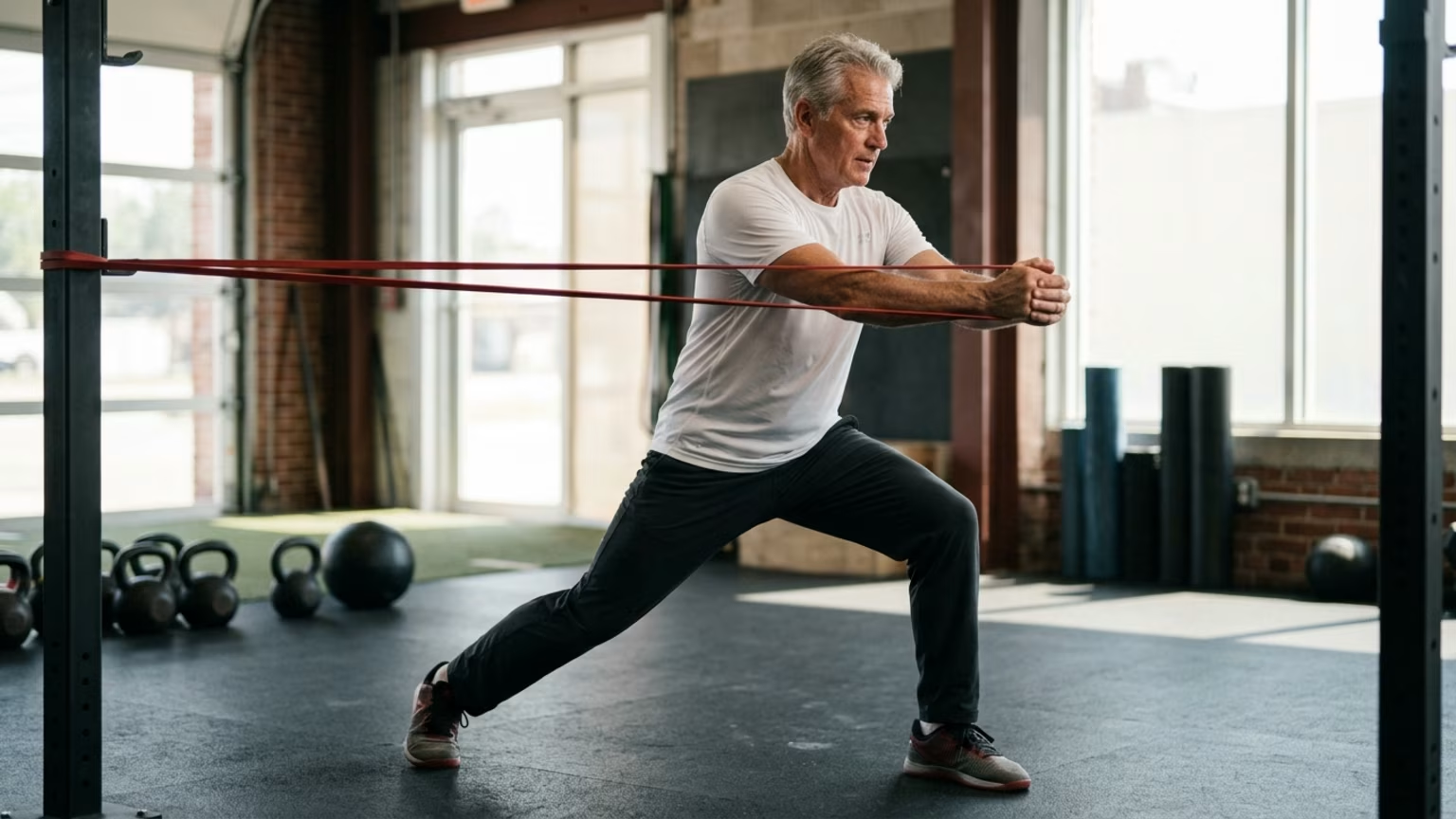
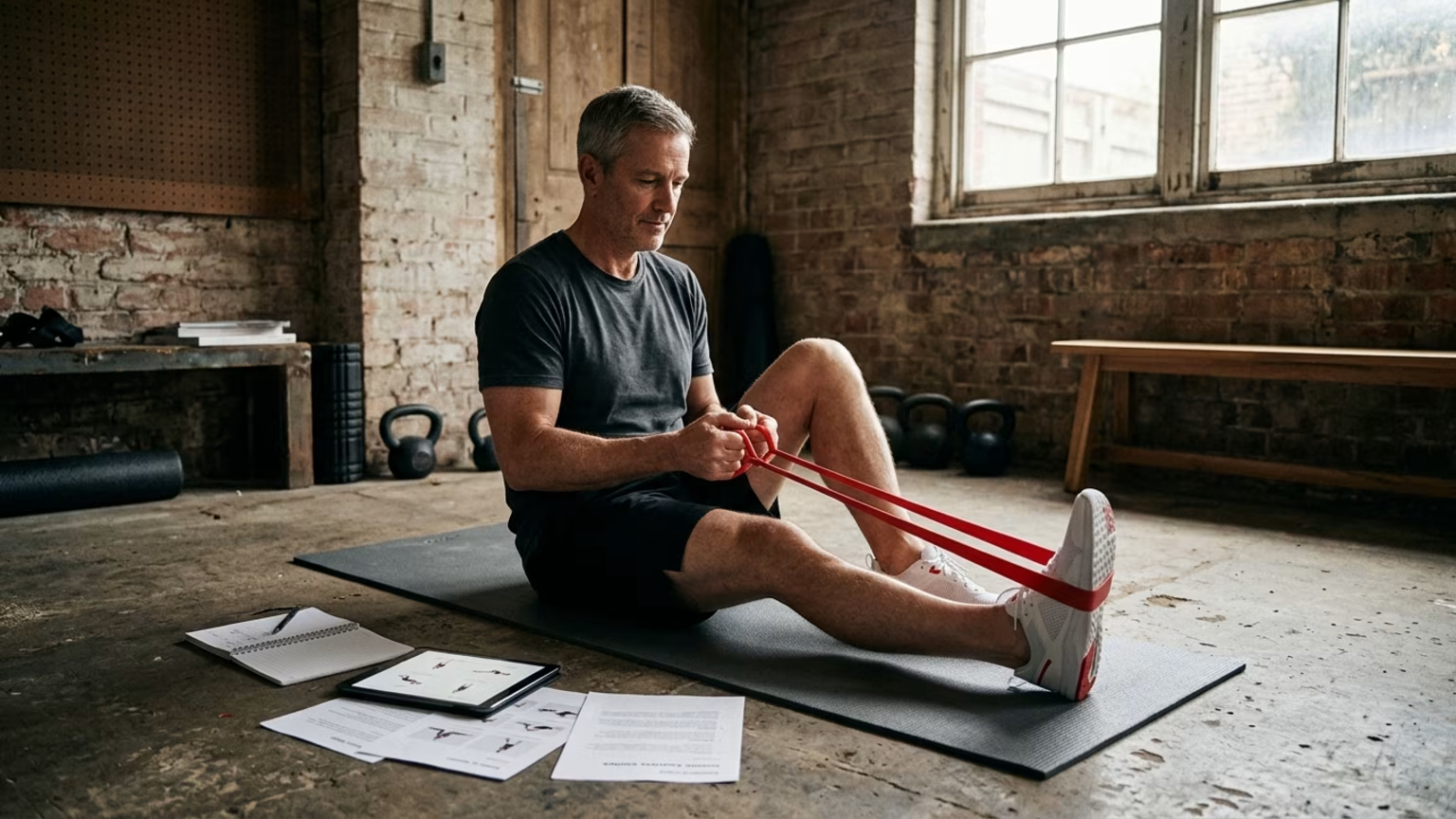
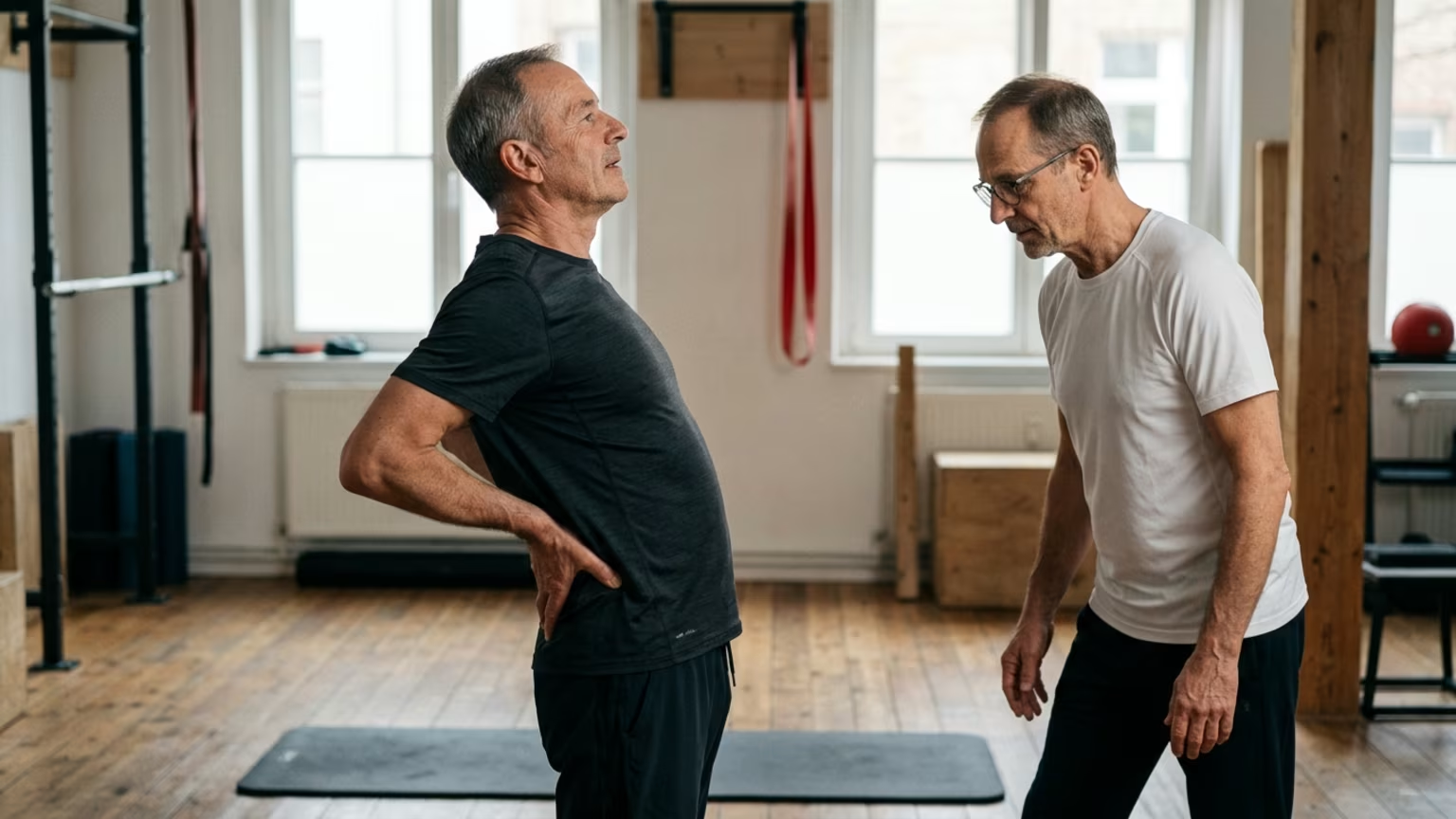
What Can Four Simple Physical Tests Tell You About Aging and Capability?
On October 7, 2026, Yahoo republished a short WFXT news report detailing four at-home physical checks that serve as practical indicators of aging and daily physical capability. The report outlines single-leg balance, five repeated chair rises, grip strength and comfortable walking speed as useful baselines rather than definitive medical verdicts.
How Did Researchers Evaluate These Physical Function Baselines?
The WFXT report highlights simple methods for active adults to check their physical capacity at home. These assessments target men who want to stay strong and mobile through midlife and beyond. The most concrete data presented in the report comes from a 2022 study published in the British Journal of Sports Medicine. This specific research focused heavily on the one-leg balance check as a reliable marker of physical resilience.
Researchers evaluated a cohort of 1,702 adults ranging in age from 51 to 75 years old. They tracked these participants over a median follow-up period of seven years to observe long-term outcomes. The primary focus of this study was the 10-second single-leg stance. Participants attempted to hold this balance position to see how it correlated with broader health trends over time.
The news report frames these checks around healthy aging and accessible self-assessment rather than complex laboratory testing. It identifies contributors Cliff Tumetel and Bob Walko as the team behind the reporting. Their work highlights practical checks over clinical diagnostics for men assessing their daily capability. This approach aligns with the need for mature men to understand their baseline function before beginning new strenuous activities.
Men returning to exercise often look for safe ways to measure their starting point. The study demographic closely matches active adults who care about remaining independent for work and travel. Understanding how to measure these physical baselines provides a realistic view of current mobility. Men can then use these practical observations to guide their resistance training and recovery strategies.
Evaluating physical function through simple home checks removes the barrier of scheduling clinical appointments. Active older men can perform these assessments in their living rooms to gauge their physical independence. The report offers these tools to help individuals notice functional challenges early. Finding a weakness in balance or leg strength is a valuable piece of information for long term health planning.
What Physical Outcomes Did The Movement Assessments Show?
The findings prioritize fundamental physical capacity over complex medical metrics. The report identifies four main outcomes and benchmarks for older adults to review. These simple checks can help identify areas that might warrant structured training or a conversation with a doctor. They offer clear physical targets for men monitoring their functional independence.
The 10-Second Balance Stance
The core finding from the British Journal of Sports Medicine study links basic balance to long-term longevity. Participants who were unable to hold a one-leg stance for 10 seconds showed an 84 percent higher mortality risk. This translates to a hazard ratio of 1.84 for all-cause mortality over the median seven-year follow-up. This specific assessment tests the coordination between the nervous system and lower body strength.
Repeated Chair Rises
The report describes a check involving repeated sit-to-stands to evaluate lower body function. The assessment asks individuals to cross their arms and stand up from a chair five times without using their hands. Difficulty with this movement may indicate that the legs, hips or core require immediate attention. Building adequate lower body power through functional resistance training can help older men maintain this fundamental movement pattern.
Grip Strength Assessment
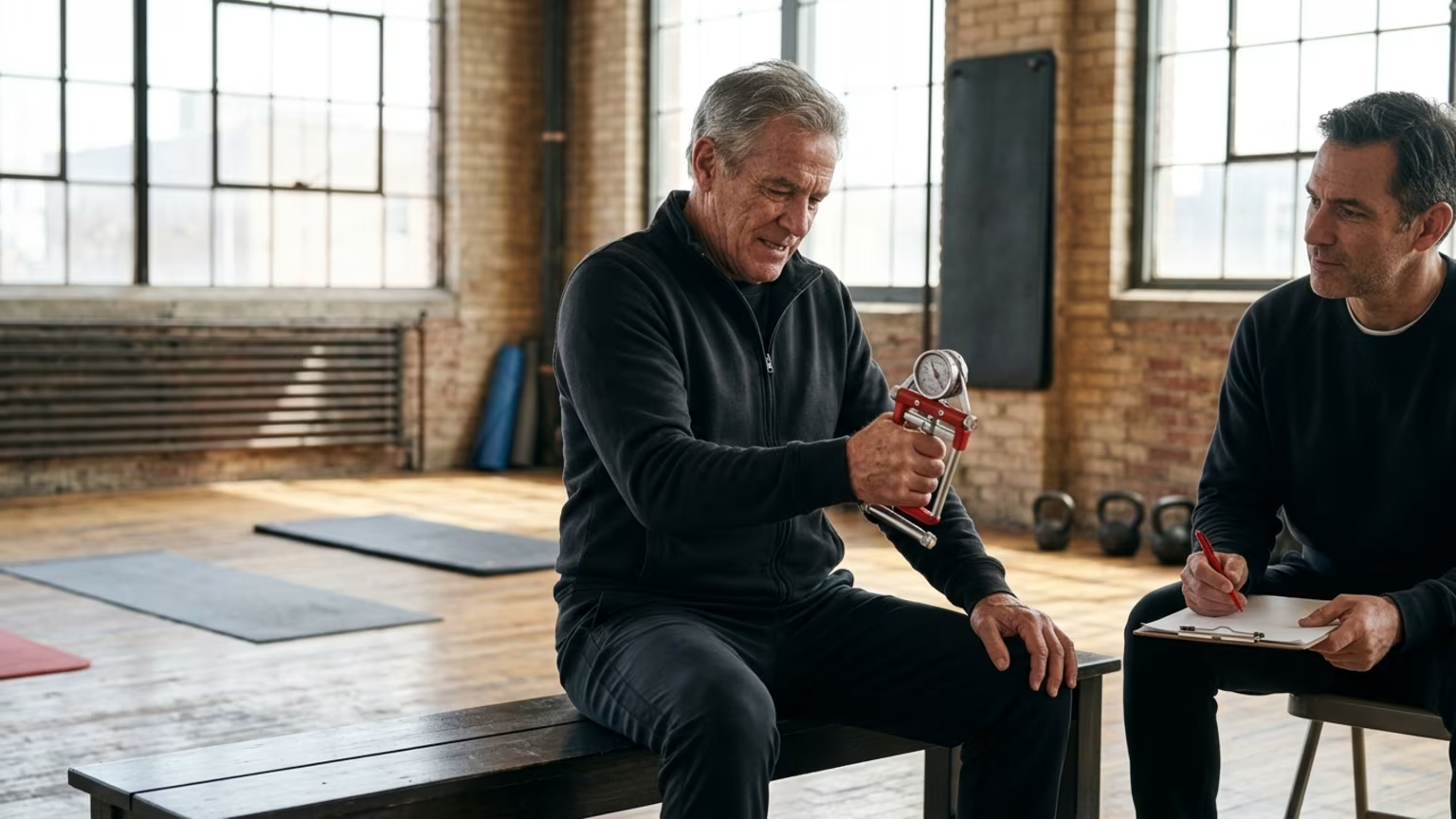
The article calls grip strength one of the best predictors of overall strength as people age. It attributes this view to expert opinion rather than citing a specific numerical benchmark or validated individual forecast. Daily tasks heavily rely on this physical trait for everything from carrying groceries to managing heavy tools. Men experiencing noticeable declines in this area can often restore capability through targeted exercise designed for aging muscle.
Comfortable Walking Speed
The final movement check measures comfortable walking speed over a set distance. The report suggests aiming for a pace of at least three feet per second. Maintaining this speed at a normal cadence serves as a practical benchmark for mobility and joint health. Older men can protect this capacity by learning about walking mechanics and capacity to preserve their daily stride speed.
General Wellness Observations
The report briefly links physical changes to mitochondrial function. It also includes general suggestions regarding resistance exercise, endurance training, adequate sleep and everyday movement. Proper recovery habits and understanding the sleep focus connection play major roles in maintaining daily energy. These broader recommendations support the physical capacity required to perform the four movement checks successfully.
Are There Limitations To These At-Home Physical Tests?
The report explicitly frames these test scores as a starting point rather than a medical verdict. The findings represent observational associations rather than direct cause and effect. A poor result on the 10-second balance test does not predict an individual lifespan or diagnose a specific illness. The association simply highlights a broader trend among older adults who struggle with physical capability.
The accessible WFXT text lacks standardized clinical protocols for all four movement checks. It does not provide age-specific or sex-specific reference values for readers to compare their results against. The report also omits diagnostic cutoffs for the chair-rise, grip and comfortable walking assessments. These missing details reinforce the idea that home checks should prompt reflection rather than serve as a strict diagnosis.
The report offers no supporting evidence in its text for the causal suggestion connecting mitochondria to diseases like cancer or Alzheimer's. The included advice about exercise and sleep serves as general wellness guidance. The text does not demonstrate that any particular regimen improves the four test results or changes longevity outcomes. Men should separate these broad lifestyle suggestions from the concrete observational data provided in the core study.
Safety remains a very practical concern during home testing for older adults. The article provides no precautions for performing the one-leg balance check safely. Men who feel unsteady should seek appropriate assistance and avoid testing near any fall hazards. Concerning changes in physical function should always lead to personalized clinical advice rather than relying on a home score alone.
Why Do These Baselines Matter For Physical Capability?
Remaining active through midlife requires an honest assessment of physical limitations and strengths. Mature men who want to stay sharp and capable benefit from tracking their mobility over time. Checking basic functions like balance and grip strength provides immediate feedback about physical decline. Men can use these observations to adjust their daily activity before stiffness and weakness limit their lifestyle.
Tracking changes in movement quality can also motivate older men to return to the gym. Recognizing a sudden drop in walking speed or leg strength often serves as a wake-up call for active adults. Taking action early helps mature men preserve their muscle mass and metabolic health. These simple checks offer a low-barrier way to measure physical resilience without specialized equipment or expensive clinical visits.
These practical movement markers align closely with the goal of building a robust physical reserve. Men over 45 face natural hormonal changes and slower recovery times that can impact performance. Understanding current physical capacity helps them train smarter and avoid unnecessary joint strain. Incorporating these simple baselines into a regular routine helps identify small problems before they become major limitations.
The capacity to stand on one leg or rise from a chair reflects years of accumulated physical habits. Maintaining these abilities allows older men to continue hiking, cycling and participating in sports. Evaluating these movements regularly keeps active adults honest about their current fitness levels. This research confirms existing knowledge that simple movement baselines offer mature men a practical starting point for evaluating physical function.
How Everfitguys helps
Stiffness, joint pain and reduced mobility that limits activity often begin as subtle changes in balance and walking speed, a decline Everfitguys helps mature men counter by analyzing functional movement research. Falling energy and slower metabolism frequently compound these physical limitations, a reality our publication addresses by translating clinical data into practical strength standards. Read the research
Sources
Stay sharp
Get stories
The best writing on craft and life, delivered once a week. No noise, just the good stuff.