Mild Exercise and Cellular Recycling: Analyzing New Aging Research
On September 27, 2026, researchers published a study in Aging Cell detailing how a mild exercise program affected cellular recycling markers in older adults. Lead author Tatiana M. Moreno and colleagues from Sanford Burnham Prebys evaluated these biological changes to understand how cellular processes relate to physical function in aging populations.
Evaluating Biological Baselines
The broader observational portion of the study sought to understand baseline biological aging markers. By evaluating healthy volunteers who self-reported having no chronic diseases, the researchers established a baseline of biological activity in an older population. These healthy-aging volunteers provided both skin and blood samples for analysis. The scientific team specifically assessed fibroblasts, induced neurons created directly from skin cells, and peripheral blood mononuclear cells (PBMCs).
Fibroblasts are connective tissue cells responsible for producing the structural framework in human tissues. Induced neurons provide a way to study cellular behavior relevant to the nervous system without requiring invasive procedures. PBMCs represent a diverse, mixed group of immune cells circulating in the bloodstream. Evaluating multiple distinct cell types allowed the researchers to compare how different tissues handle cellular recycling over time.
The Exercise Protocol
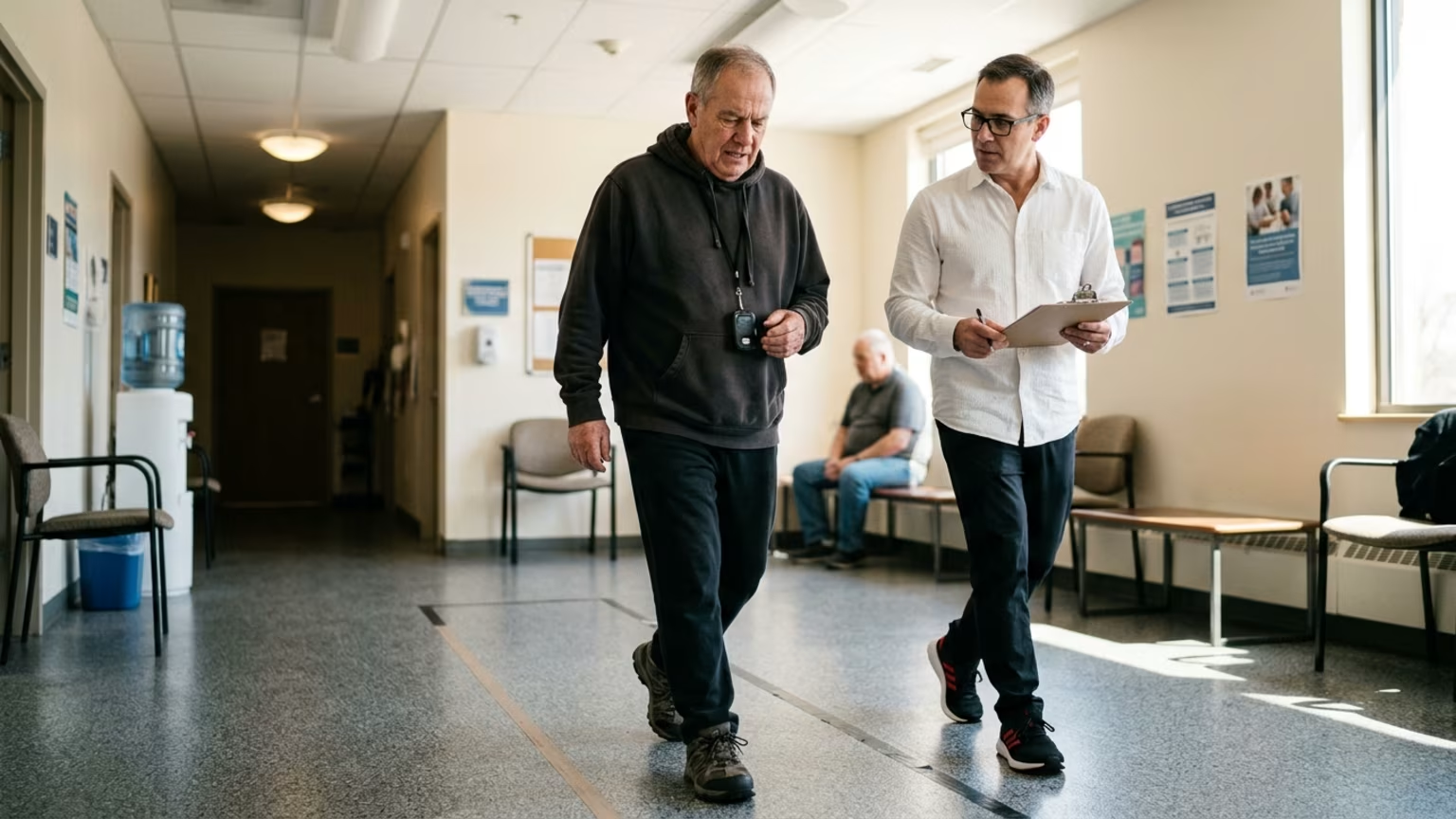
The exercise pilot portion of the study involved a much smaller cohort. This pilot included five adults ranging in age from 77 to 88. These specific participants provided blood samples immediately before and after completing a 12-week mild fall-prevention exercise program. The physical intervention was designed specifically for accessibility and participant safety.
Sessions took place once weekly and lasted for exactly one hour. The physical programming focused entirely on balance, muscular strength, and posture. By prioritizing these fundamental physical skills, the researchers aimed to test an intervention that most older adults could safely complete. Understanding how longevity studies work requires analyzing these exact testing parameters.
Questioning Aging Assumptions
The study examined a biological process called autophagy. Autophagy is the mechanism by which cells break down and recycle damaged cellular material. In popular fitness media, this process is frequently described as a universally beneficial function that simply declines as a person ages. However, senior and corresponding author Caroline Kumsta challenged this narrative.
Kumsta stated that evidence supporting the common claim that autophagy universally declines with age in humans is actually "very thin." The research revealed that age-related changes in cellular recycling are not uniform. Instead, the study found that autophagic activity patterns varied significantly across different cell types and by sex. This variability indicates that biological aging affects distinct tissues in very different ways.
Physical Function Links
Furthermore, the findings regarding physical capability were counterintuitive to popular longevity claims. Among participants over the age of 70, higher autophagy flux was associated with poorer physical-function measures across the specific cell types examined. The authors noted that the precise associations differed depending on the cell type in question. Kumsta described the distinct possibility that increased autophagy flux carries entirely different biological implications for younger individuals compared to older adults.
She noted that this age-dependent distinction is an area that "merits continued study." The research paper strongly cautioned against treating higher cellular recycling rates as an automatically beneficial or harmful physiological state. The accurate interpretation of these biological markers relies heavily on a patient's age, the specific cell type being analyzed, and their broader physiological context. Following the 12-week exercise program, the researchers recorded noticeable shifts in the pilot group.
Recording Biological Shifts
PBMC autophagy flux decreased in four of the five older participants. Following the intervention, these biological markers moved to within one standard deviation of the healthy-aging cohort mean. The participants also demonstrated improved physical capability. The five-person pilot group began the trial with an average score of 8.6 on the Short Physical Performance Battery (SPPB).
The sources indicate that these physical-function scores improved following the 12-week protocol. Lead author Tatiana Moreno advised that scientists must be careful when utilizing static measures to infer what is happening with autophagy. The team specifically measured autophagy flux rather than relying on static marker levels or gene expression. The paper noted that static LC3B abundance did not reliably reflect actual autophagic flux.
Practical Movement Context
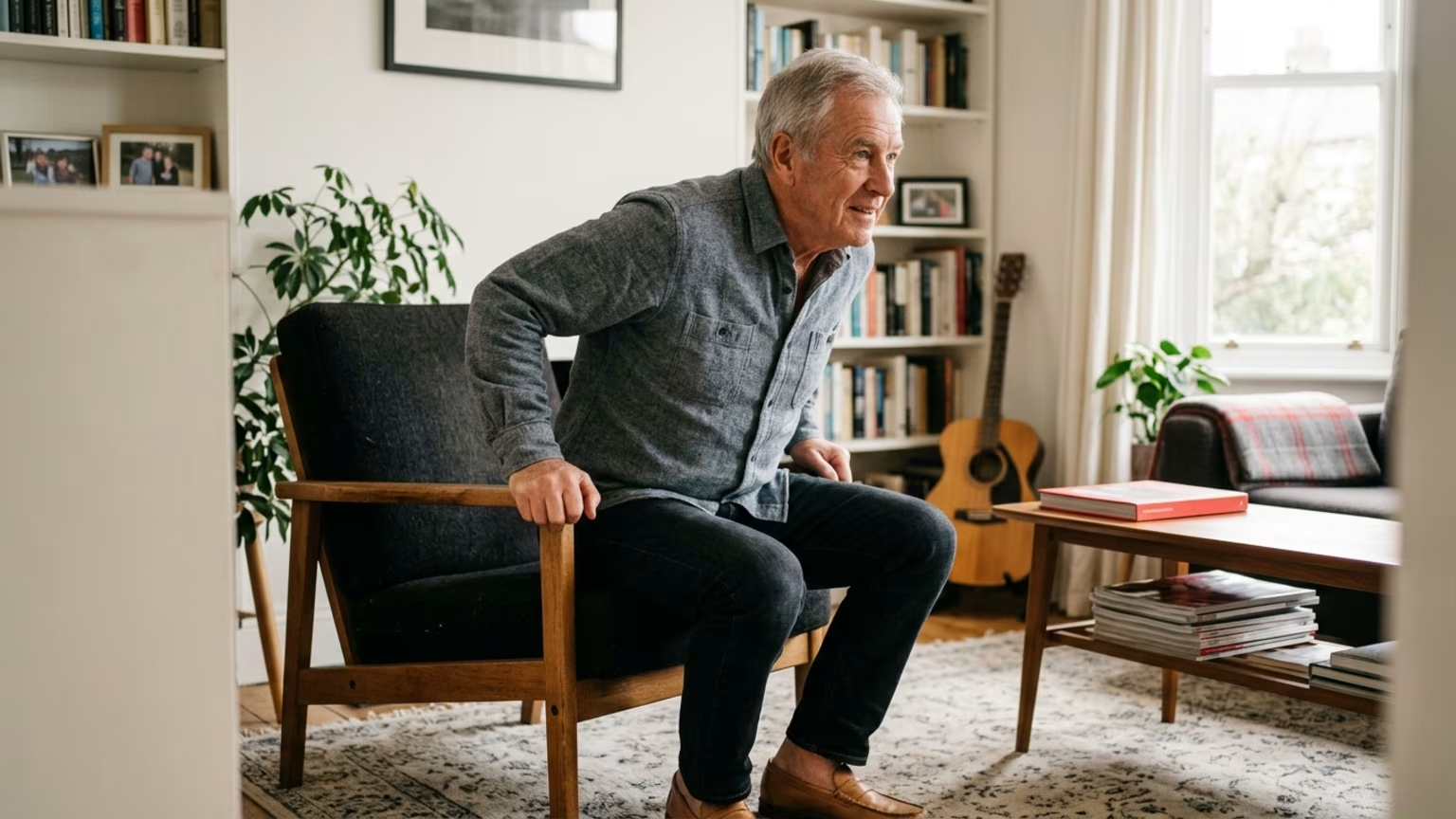
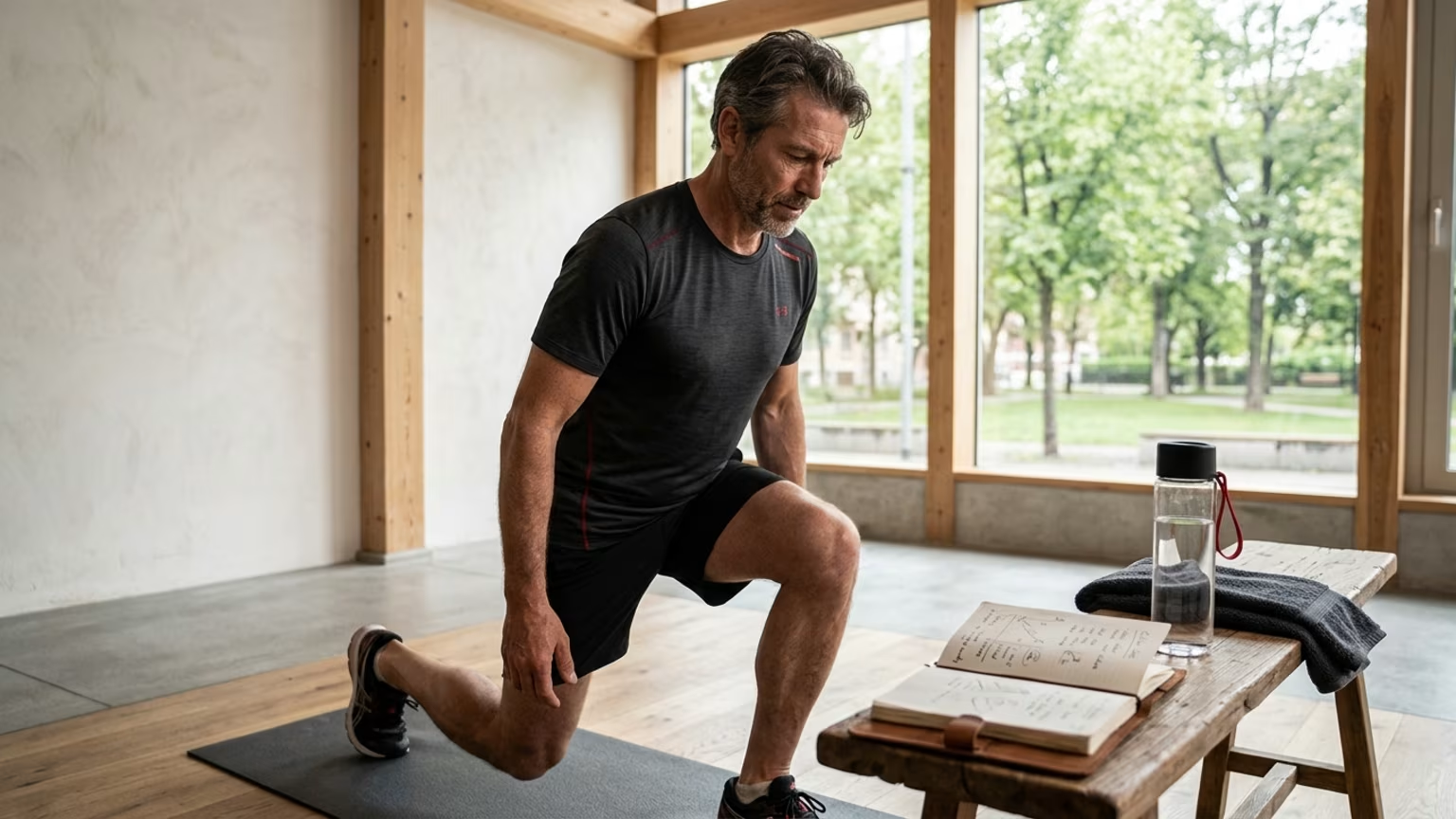
Men who are focused on staying strong and energetic often look to longevity research for guidance. The practical takeaway from this specific research relates to the immense accessibility of movement. The mild program tested in this trial highlights that men do not need highly exhausting routines to see physical benefits in later life. A weekly commitment to fundamental physical competencies can produce measurable improvements in mobility.
A sensible return to training plan for older adults typically centers on the same core elements utilized in this pilot study. Engaging in regular balance, strength, and posture work provides a practical method for mature men to maintain their long-term independence. Losing physical capability with age is a primary concern for many men over 45. The functional improvements observed in the study's SPPB scores confirm that consistent, targeted movement supports basic physical capability.
The emphasis on foundational movement patterns offers a reliable framework for older men. Avoiding unnecessary complexity allows individuals to stay consistent with their weekly physical habits. When fitness programming prioritizes basic functional competence over specialized marker manipulation, men are more likely to see lasting results. This straightforward approach protects against the fatigue and frustration that often accompany complicated longevity protocols.
Evaluating Pilot Limitations
This data supports a measured, evidence-led approach to physical maintenance that prioritizes functional movement over chasing specific biological markers. While the participants experienced positive functional outcomes, the researchers and institutional coverage characterized the exercise findings as explicitly preliminary. The pilot trial included only five participants. Furthermore, the 12-week exercise pilot had no control group.
Because of these structural limitations, the trial was not designed to establish that the mild exercise program directly caused the observed biological changes. The biomarker findings were measured exclusively in PBMCs rather than directly within skeletal muscle or brain tissue. Since PBMCs are a complex mixture of immune-cell types, interpreting these changes requires immense caution. The small sample size and limited follow-up duration led the authors to call for larger studies utilizing additional biological-aging measures.
Expanding Scientific Inquiry
Sanford Burnham Prebys reported that its research team successfully received a pilot grant from UC San Diego’s Altman Clinical and Translational Research Institute. This funding is intended to expand their ongoing work on exercise, aging, and physical function. The institution also stated that larger studies featuring more participants and improved testing protocols were already underway. These expanded studies are being conducted in collaboration with the UC San Diego Exercise and Physical Activity Resource Center.
Navigating Longevity Claims
For active men managing age-related changes, these limitations are highly relevant. Men dealing with joint pain should prioritize clinical guidance over experimental biomarker testing. For example, maintaining daily capability through targeted mobility work for joint health provides a proven path to staying active. The reported physical program is a specific study protocol, not a personalized exercise prescription.
Evaluating complex studies helps older men avoid unproven fitness trends. While some online sources promote intense protocols to manipulate cellular pathways, clinical research often shows the value of moderate, consistent work. Maintaining functional capability through consistent strength and mobility training supports long-term independence without relying on marketing hype. By demonstrating that cellular recycling patterns vary by cell type rather than universally declining, this research alters current assumptions about biological aging markers, while confirming the existing knowledge that mild, structured exercise supports functional mobility in older adults.
How Everfitguys helps
Integrating preliminary biomarker data into a daily physical regimen requires careful interpretation, a step Everfitguys handles by evaluating the evidence behind new healthy aging studies. Poor sleep, stress and slower recovery frequently disrupt an older man's return to regular training, but Everfitguys translates complex physiological literature so you can maintain your physical capability and independence.
Sources
Stay sharp
Get stories
The best writing on craft and life, delivered once a week. No noise, just the good stuff.