Why Total Inactivity Harms Aching Joints and How Midlife Weight Training Restores Support
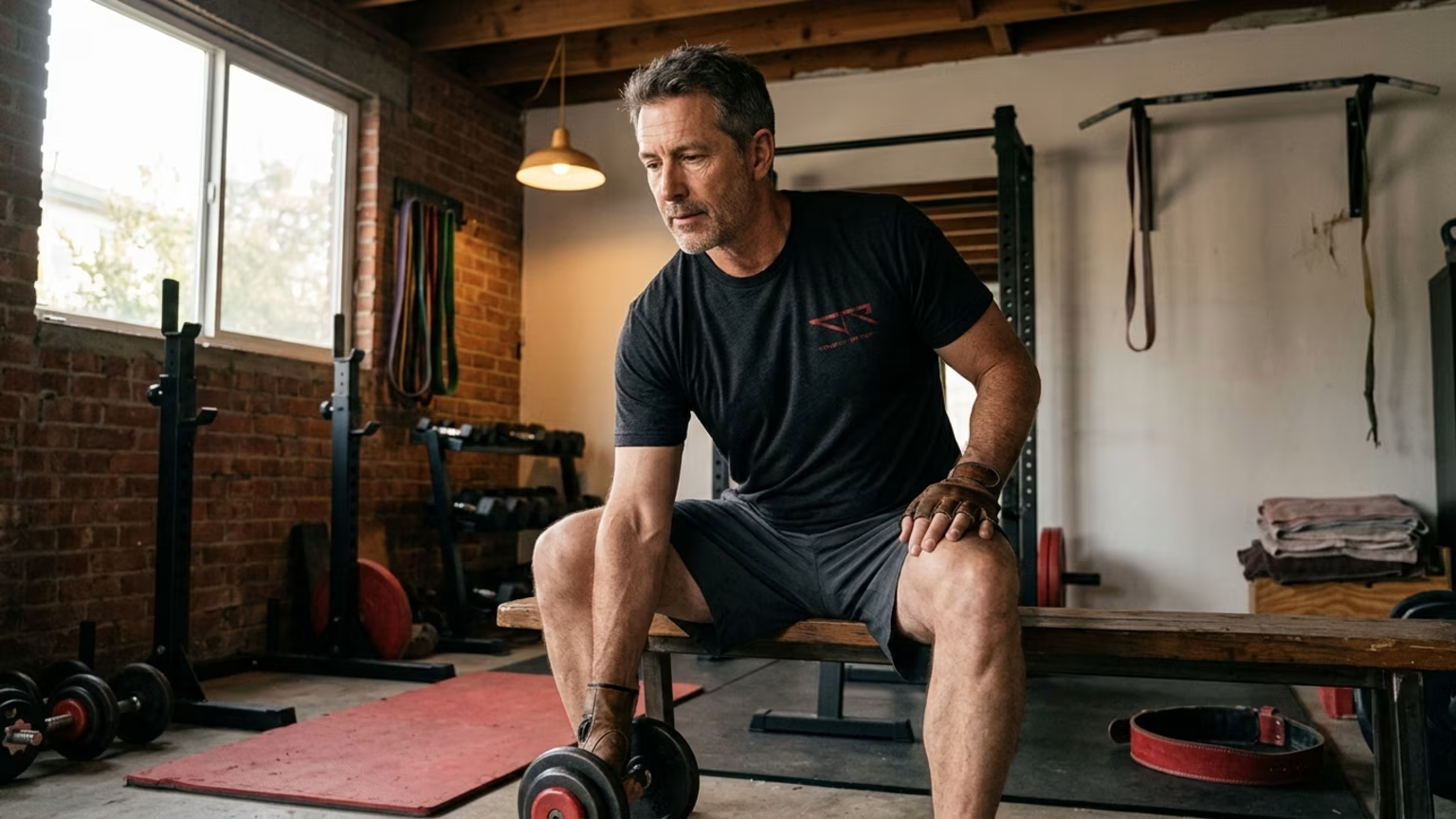
Many men over 45 believe that painful joints require complete rest and an end to heavy lifting. The reality is that continued physical capacity depends on combining regular resistance training with sensible aerobic conditioning and load management. Taking time off rarely solves the underlying weakness of an aging joint. Stopping all movement often accelerates the loss of muscle strength and physical independence.
Men can preserve their physical ability by adjusting how they train rather than stopping entirely. Relying solely on rest creates a cycle of declining capacity and worsening stiffness. A more effective approach keeps the body moving through comfortable ranges of motion. Modifying the exercise selection allows the muscles to remain engaged without aggravating the joint.
The mindset must shift from avoiding all stress to managing the specific loads applied to the body. Complete inactivity is often more detrimental to older joints than moderate resistance training. The body requires consistent physical demands to maintain bone density and muscle mass. When those demands disappear, the tissues supporting the joints weaken significantly over time.
Why Rest Became the Default Answer
For decades, fitness culture treated the human body like a machine with a finite number of miles. Older men were often told that their knees and shoulders would simply wear out from use. This mechanical view suggested that avoiding physical strain was the only way to protect aging joints. Popular advice shifted toward passive stretching routines instead of functional strength work.
This approach ignored how muscle tissue and bone respond to progressive physical demand. The human body adapts to the stresses placed upon it. Removing that stress leaves older adults weaker and less capable of handling daily tasks. Decades of magazine articles promoted gentle routines that offered little actual stimulus for muscle retention.
This caused an entire generation of older men to abandon effective resistance exercises prematurely. Doctors in the past frequently advised patients to stop lifting weights at the first sign of discomfort. This overly cautious guidance failed to distinguish between normal muscle fatigue and actual joint injury. Without clear guidelines on load management, resting felt like the only safe option.
Building Strength Through Usable Range
Modern clinical guidelines treat physical activity as a core component of healthy aging. The World Health Organization recommends that older adults accumulate 150 to 300 minutes of moderate aerobic activity weekly. They also advise performing multicomponent activity involving functional balance and strength work on at least two days per week. This multicomponent approach builds functional capacity and reduces the risk of falls.
Men who want to stay capable must integrate weekly resistance training into their routines. Aerobic conditioning builds the endurance needed for active hobbies. Resistance work builds the physical reserve needed to protect the joints during those hobbies. A balanced schedule addresses both requirements without demanding excessive volume from the trainee.
Resistance exercise provides measurable benefits for aging muscles. A 2026 systematic review indexed by PubMed concluded that resistance exercise was the most effective intervention among those studied for improving muscle-specific strength in older adults. In that same review, evidence for aerobic exercise and nutritional supplementation was less conclusive. Muscle strength creates a protective framework around the joints.
This framework absorbs physical impact during walking, travel, and recreational sport. Men over 45 need this strength to maintain their physical independence. Lifting weights provides a clear stimulus that forces the body to adapt and grow stronger. Focusing on muscle retention limits the functional decline often associated with growing older.
Joint mobility requires more than passive stretching. The European Alliance of Associations for Rheumatology states that strength and endurance activities should be performed at least two days per week. Their physical-activity recommendations note that exercise performed two to three days per week can improve joint range of motion. The greatest gains in range of motion occur with daily exercise.
Men can build both stability and usable mobility by moving through a full range during resistance exercises. Proper lifting mechanics require the joints to operate through their natural arcs. Prioritizing full-range strength training builds lasting function and active flexibility. The tension of a loaded movement forces the joint to stabilize itself actively.
Brief bouts of movement provide distinct physiological benefits throughout the day. The American College of Sports Medicine offers health-care guidance that encourages reducing sedentary time. Their experts advise integrating brief periods of activity such as walking and standing across the day. These short intervals prevent stiffness from setting in during work hours or travel.
Frequent light movement complements formal strength sessions perfectly. Standing up and moving briefly keeps joint fluid circulating. It prevents the localized aching that often follows prolonged sitting. Adding short walks requires no equipment and minimal planning.
Adapting Loads and Recognizing Warning Signs
Joint capacity operates on a simple principle of load management and mechanical tolerance. Higher body mass increases the mechanical load placed on weight-bearing joints like the knees and hips. When a specific joint hurts, men can find alternative ways of moving rather than quitting their workouts. Reducing the speed, volume, or impact of a movement often allows training to continue safely.
Load management keeps the surrounding muscles engaged while the irritated joint recovers. This practical adjustment is central to managing joints and training load over a lifespan. Changing the exercise angle can shift the stress away from sensitive tissues. The goal is to accumulate physical work without aggravating the localized pain.
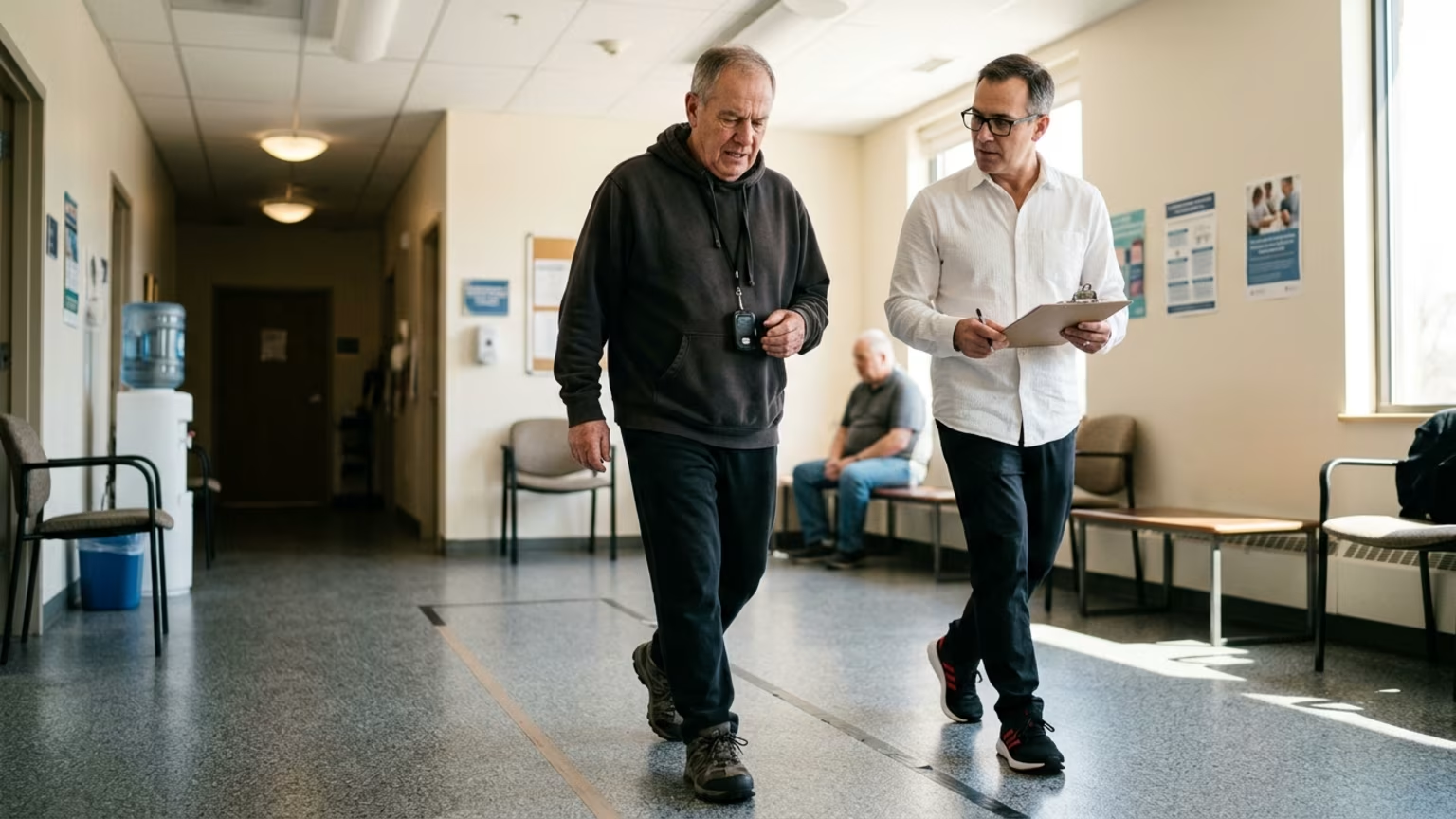
Not all joint discomfort stems from standard osteoarthritis. Significant early-morning stiffness and swollen joints may indicate an autoimmune form of arthritis. These specific inflammatory symptoms warrant proper medical assessment by a qualified clinician. Musculoskeletal referral criteria used by an NHS service outline clear signs that require professional evaluation.
These warning signs include joint pain accompanied by swelling or locking. A joint repeatedly giving way or showing restricted movement also requires assessment. Assuming that every ache is normal aging can delay necessary treatment. Early evaluation helps older men separate minor training fatigue from structural or systemic issues.
Experiencing these distinct symptoms in the knee or shoulder means a clinician should review the issue. Problems with the hip or ankle require the same medical attention when pain patterns change abruptly. The American College of Sports Medicine actively supports connecting patients with qualified exercise professionals. Their Exercise Is Medicine initiative encourages healthcare professionals to include physical activity in treatment plans.
Exercise remains part of the solution under direct medical guidance. Doctors and physiotherapists can help modify a training program to accommodate specific joint limitations. This collaborative approach keeps older adults in the gym. Professional guidance helps map out a safe progression back to heavier lifting.
Structured medical support keeps older adults active safely and sustainably. ACSM’s Active Aging and Exercise Is Medicine initiatives aim to make physical activity part of routine healthcare. General discomfort from returning to the gym requires sensible load adjustment. Persistent swelling or a sudden loss of function requires clinical eyes.
Recognizing this difference keeps men training effectively through midlife and beyond. Understanding when to push and when to seek help is a critical skill. Focusing on building strength while improving metabolic health requires respecting these physiological boundaries. Smart lifters adapt their routines before a minor ache becomes a major setback.
Modifying Activity Yields Better Results
The most effective approach to aging joints is adapting your training load to maintain continuous resistance and aerobic activity rather than stopping entirely.
How Everfitguys helps
Deciding how to adapt physical training when joint symptoms arise requires evaluating clinical guidelines rather than relying on total rest. Stiffness, joint pain and reduced mobility that limits activity often frustrate older men, and Everfitguys translates current medical research to help you maintain your physical capacity safely.
Sources
Stay sharp
Get stories
The best writing on craft and life, delivered once a week. No noise, just the good stuff.